
Jewellery is often more than an accessory. A gold necklace may be a family heirloom, a diamond ring may mark a special milestone, and Kundan or Polki pieces may be treasured as part of India's rich jewellery tradition. But even the most carefully stored jewellery can lose its shine because of dust, oils, cosmetics, moisture and everyday wear.
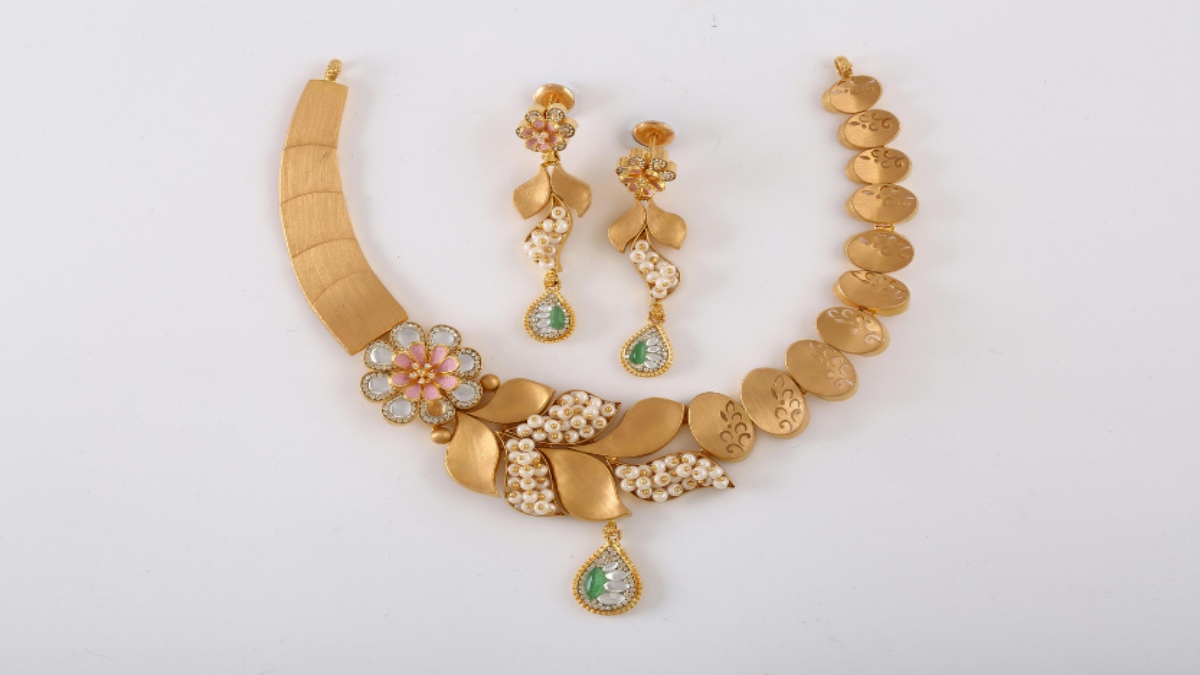
The problem is that not all jewellery should be cleaned in the same way. A method that works for a plain gold chain may be unsuitable for delicate Kundan or Polki jewellery. Using harsh chemicals, abrasive materials or excessive water can sometimes cause permanent damage.
Here is how to care for different types of jewellery safely.
Related Articles
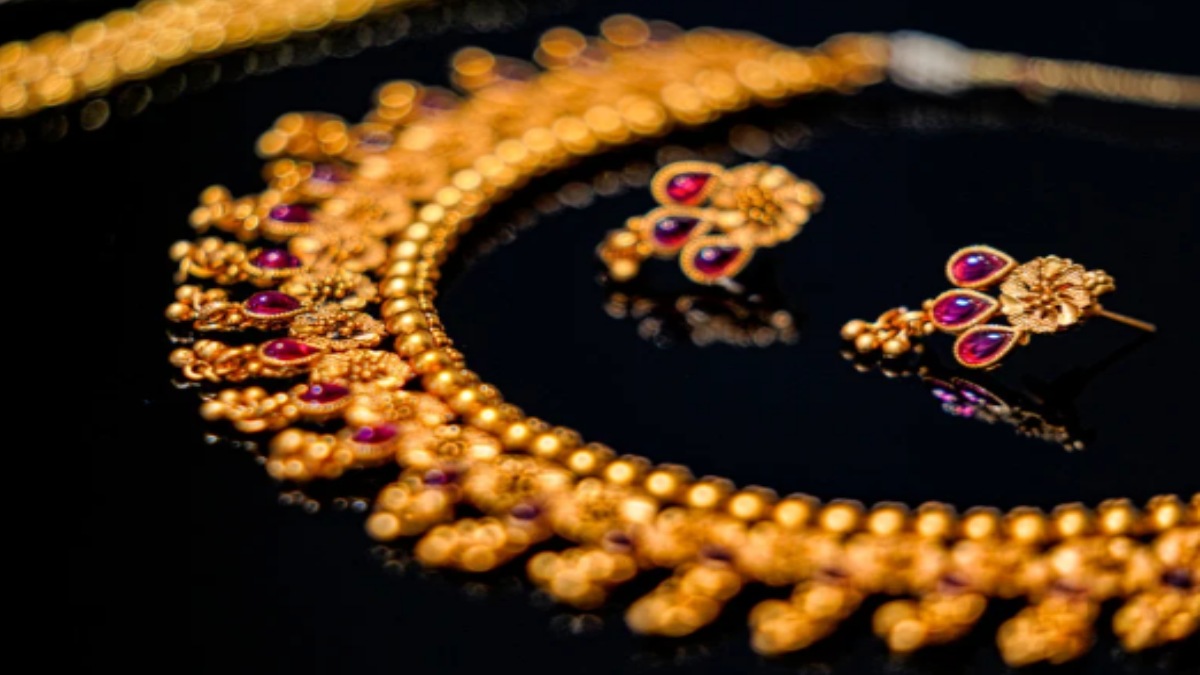

Gold jewellery: Gentle cleaning is best
Gold jewellery can generally be cleaned at home when it is made from solid gold and does not contain particularly delicate settings or untreated stones.
For routine cleaning, use lukewarm water with a small amount of mild, non-abrasive soap. Allow the jewellery to soak briefly and gently clean it with a very soft brush, such as a soft-bristled jewellery brush.
Rinse thoroughly and dry with a soft, lint-free cloth.
Related Articles


Avoid abrasive toothpaste, rough brushes and strong household cleaning products. These can scratch the surface or affect delicate finishes.
Gold jewellery should also be removed before swimming, bathing, exercising or applying perfumes and beauty products whenever practical.
Diamond jewellery: Don't forget the setting
Diamonds are extremely hard, but that does not mean diamond jewellery is indestructible. The metal setting can scratch, bend or loosen, and some diamonds may have treatments or inclusions that require special care.
A mild soap-and-water solution can be appropriate for many diamond pieces. Gently clean around the setting using a soft brush, then rinse and dry carefully.
Before wearing a valuable diamond ring or necklace, occasionally check whether the stone appears loose. If you notice movement, take it to a professional jeweller rather than continuing to wear it.
Professional cleaning and inspection can also help identify worn prongs or other setting problems.
Silver jewellery: Prevent tarnishing
Silver naturally tarnishes when it reacts with substances in the environment. This does not necessarily mean the jewellery is damaged, but regular care can help maintain its appearance.
For plain silver pieces, a soft polishing cloth specifically designed for silver can help remove surface tarnish.
Avoid aggressive polishing, especially on oxidised or intentionally darkened silver, because excessive polishing can remove the finish.
Store silver in a dry, airtight or low-humidity environment when possible. Keeping individual pieces separated can also reduce scratching and tangling.
Kundan jewellery: Keep water away
Kundan jewellery requires considerably more care than many plain metal pieces. Traditional Kundan designs can include delicate stone settings and intricate craftsmanship.
Avoid soaking Kundan jewellery in water. Moisture can affect components used in some traditional constructions and may weaken or damage the piece over time.
Instead, gently wipe the jewellery with a clean, soft and dry cloth after wearing it. If the piece requires deeper cleaning, professional jewellery cleaning is generally the safer choice.
Keep Kundan jewellery away from perfume, hairspray, lotions and other cosmetics.
Polki jewellery: Handle with extra care
Polki jewellery often features uncut or minimally cut diamonds set into intricate designs. Its traditional construction means it may require more specialised care than modern, fully sealed jewellery.
Avoid household cleaners, ultrasonic cleaners and vigorous brushing unless a qualified jeweller confirms that the specific piece can safely tolerate them.
After wearing Polki jewellery, gently wipe it with a soft, dry cloth. Store it individually in a soft-lined box or pouch, preferably in a dry environment.
Common jewellery-cleaning mistakes to avoid
One of the biggest mistakes is assuming that all precious jewellery can be treated identically.
Avoid using bleach, chlorine, strong acids or other household chemicals. Chlorine in swimming pools and some cleaning products can damage certain jewellery metals and settings.
Another mistake is cleaning jewellery over an open sink. A loose stone or tiny earring can easily disappear down the drain. Place a soft towel over your work surface or clean jewellery in a secure container instead.
Do not scrub jewellery aggressively. Scratches and loosened settings can result from excessive force.
Ultrasonic cleaners should also not be used blindly. Some gemstones, treatments and delicate traditional jewellery constructions can be unsuitable for ultrasonic cleaning.
How should jewellery be stored
Proper storage is just as important as cleaning.
Keep pieces separated to prevent scratches and tangling. Use individual soft pouches or compartments, especially for pieces containing diamonds or other stones.
Avoid storing jewellery in damp bathrooms. Humidity can accelerate tarnishing and may be particularly problematic for delicate traditional jewellery.
For heirloom pieces, periodic professional inspection can be worthwhile. A jeweller can check clasps, prongs, settings and structural components before a small issue becomes an expensive repair.
The safest jewellery-care routine begins with understanding what you own. Gold, diamonds, silver, Kundan and Polki require different approaches, and delicate traditional jewellery should generally be treated more cautiously than simple metal pieces.
Use gentle methods for suitable gold and diamond jewellery, control tarnishing on silver, and keep water and harsh chemicals away from delicate Kundan and Polki pieces. When in doubt especially with an expensive, antique or heirloom piece professional cleaning is safer than experimenting with household remedies.
With proper cleaning, careful storage and regular inspections, your favourite jewellery can retain its beauty and craftsmanship for years to come.




Comments 0