
Fine jewellery is entering a new chapter, and colour is increasingly taking centre stage. From vivid gemstones and unconventional combinations to distinctive designs that reflect individual personality, today's jewellery buyers are looking beyond traditional notions of luxury. For industry voices such as Neha Roongta, this shift signals a broader transformation in how consumers perceive and wear fine jewellery.
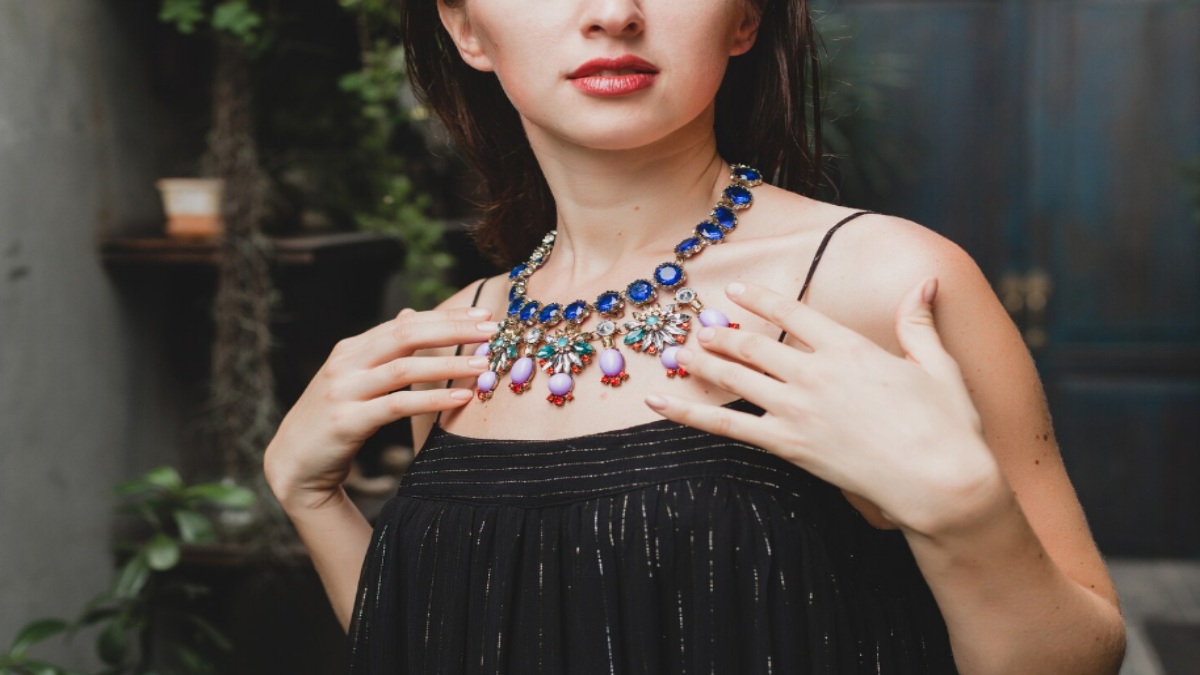
The idea that jewellery must revolve exclusively around classic diamonds and predictable designs is gradually giving way to a more expressive approach. Coloured gemstones are emerging as an important part of this evolution, offering buyers an opportunity to experiment with colour, meaning and personal style.
The growing appeal of colour
Colour has always played an important role in jewellery, particularly in India's rich jewellery traditions. However, contemporary consumers are embracing coloured gemstones in increasingly modern ways.
Related Articles
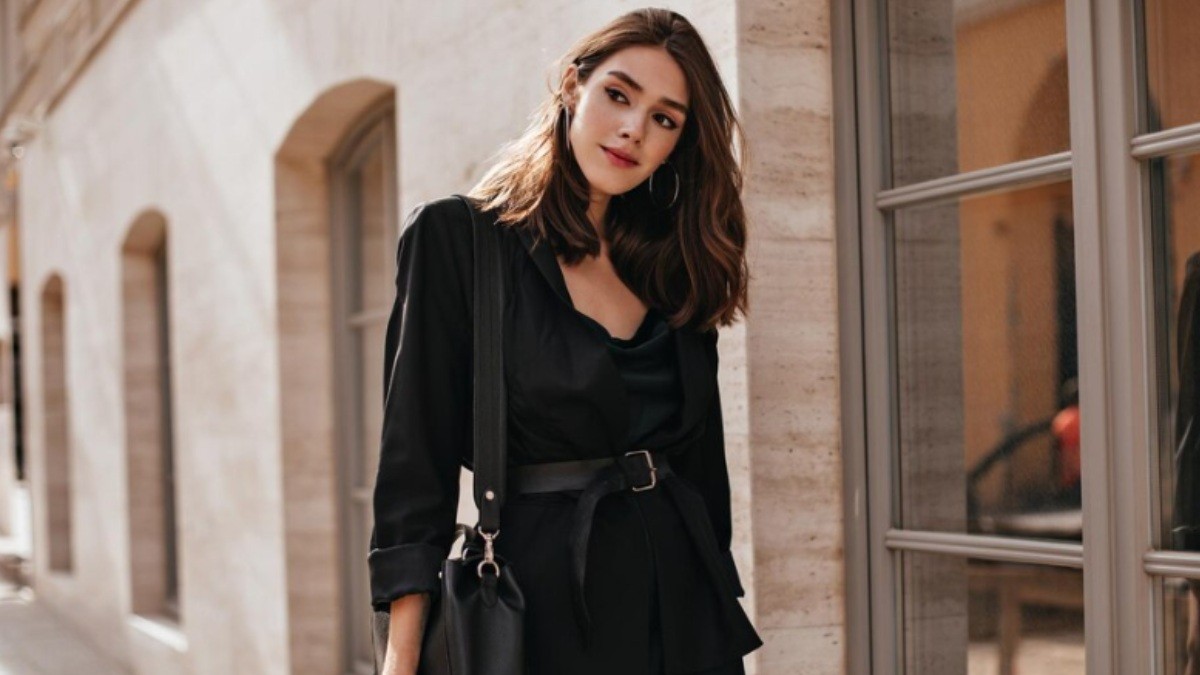
Sapphires, emeralds, rubies, tourmalines, tanzanite and other gemstones can introduce a distinctive visual identity to a piece. Rather than selecting jewellery purely because it represents conventional status, consumers are increasingly interested in pieces that complement their wardrobe, personality and lifestyle.
This has helped coloured gemstones move beyond occasional or traditional jewellery. They are increasingly appearing in everyday pieces, cocktail jewellery, rings, earrings, necklaces and statement designs.
For younger buyers in particular, colour can make fine jewellery feel more personal and versatile.
Related Articles
Jewellery becomes an expression of individuality
One of the biggest changes in the luxury jewellery market is the move towards individuality.
Consumers today have access to an enormous range of styles, designers and inspirations through social media and digital platforms. They are exposed to international trends while simultaneously rediscovering regional craftsmanship and heritage techniques.
As a result, many buyers no longer want jewellery that simply follows a trend. They want pieces that tell a story.
A particular gemstone may be selected because of its colour, symbolism or connection to a personal milestone. A customised design may commemorate a relationship, achievement or special occasion. This emotional dimension can make fine jewellery more meaningful than an accessory chosen purely for its appearance.
From occasion wear to everyday luxury
Fine jewellery is also becoming less dependent on formal occasions.
Traditionally, expensive jewellery might have been reserved for weddings, festivals, anniversaries or major celebrations. Today, consumers are increasingly incorporating fine jewellery into everyday dressing.
A delicate gemstone ring can be paired with workwear, while colourful earrings can transform a simple outfit. Layered necklaces and stackable rings allow wearers to create different combinations depending on their mood or occasion.
This versatility is influencing designers to create pieces that are elegant but practical, luxurious yet wearable.
Craftsmanship remains at the heart of luxury
While consumer tastes are changing, craftsmanship remains fundamental to fine jewellery.
The value of a piece is not determined solely by the gemstone or precious metal. Design, cutting, setting, finishing and attention to detail all contribute to its character.
India has a particularly strong heritage of jewellery craftsmanship, with generations of artisans possessing specialised skills. The future of the industry could therefore involve an interesting balance between heritage techniques and contemporary design.
Modern consumers may want jewellery that feels current while still carrying the authenticity and craftsmanship associated with traditional luxury.
Technology is changing jewellery discovery
Digital technology is also reshaping the way people discover and purchase jewellery.
Social media platforms have become important sources of inspiration, allowing consumers to discover independent designers and international trends. Online platforms have made it easier to compare designs, understand gemstones and explore customisation options before visiting a store.
Technologies such as virtual try-ons and digital visualisation can further reduce the gap between online discovery and physical shopping.
However, fine jewellery remains a highly tactile category. Consumers often want to see the sparkle, colour and craftsmanship of a piece in person before making a significant purchase.
Sustainability and conscious luxury
The definition of luxury is also changing as consumers become more conscious of sourcing and environmental impact.
Questions about where gemstones and precious metals originate, how they are processed and who makes the jewellery are becoming increasingly relevant. Buyers may seek greater transparency from brands and show more interest in responsibly sourced materials and ethical craftsmanship.
This does not mean that traditional luxury will disappear. Instead, the industry may increasingly combine beauty with traceability, craftsmanship and responsible practices.
What lies ahead for fine jewellery
The future of fine jewellery appears to be more colourful, personal and versatile. Classic diamonds and traditional designs will continue to have an important place in the market, but consumers are gaining the confidence to explore alternatives.
Coloured gemstones can offer a sense of individuality, while contemporary designs can make fine jewellery relevant to everyday life. Personalisation, craftsmanship, technology and responsible sourcing are likely to remain important forces shaping the industry.
The phrase "this is the era of colour and gemstones" captures a wider movement: luxury is becoming less about following a single definition of elegance and more about expressing identity.
For jewellery lovers, that could mean a future filled with bolder colours, distinctive gemstones, meaningful designs and pieces that feel uniquely their own.




Comments 0