
Paris has long been regarded as one of the world's most influential fashion capitals. From historic couture houses and legendary designers to modern street style and internationally celebrated fashion weeks, the French capital has played a remarkable role in shaping how people understand luxury, elegance and personal style.
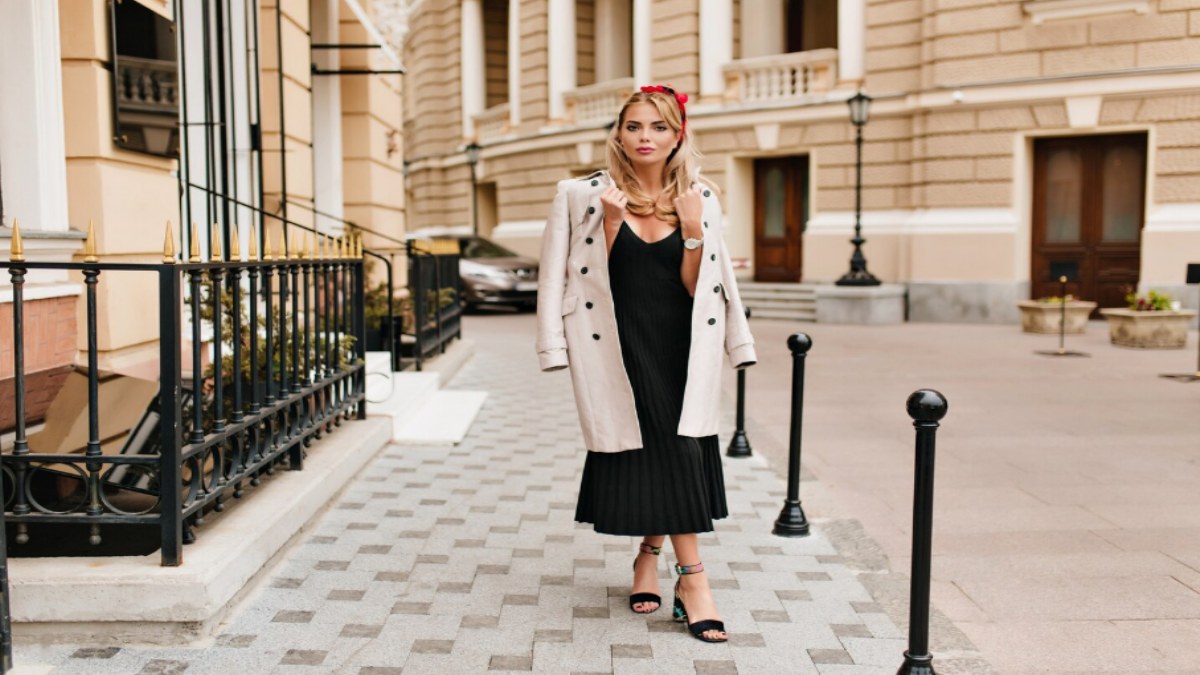
Fashion in Paris is more than an industry. It is closely connected with art, culture, craftsmanship and history. The city's influence can be seen on runways, in boutiques and even in everyday wardrobes around the world.
The Historic Roots of Parisian Fashion
Paris became an important centre of fashion several centuries ago. French royalty and aristocracy helped establish the city as a place where clothing, luxury and social status were closely connected.
Related Articles
During the reign of Louis XIV, France strengthened its reputation as a centre for luxury goods and craftsmanship. The development of skilled artisans, textile production and elaborate clothing contributed to Paris's growing importance in European fashion.
Over time, designers and dressmakers transformed Paris into a destination for people seeking sophisticated clothing and innovative styles.
The Birth of Haute Couture
One of the most important reasons Paris became synonymous with fashion is the development of haute couture. Charles Frederick Worth, an English-born designer who established his fashion house in Paris in the 19th century, is widely associated with helping establish the modern haute couture system.
Related Articles

Instead of simply producing garments according to a customer's instructions, designers began presenting their own collections and establishing distinctive creative identities. This helped transform fashion design into a recognised artistic profession.
Paris eventually became the home of numerous couture houses whose designs attracted wealthy clients and international attention.
Legendary Fashion Houses
Paris is associated with some of the most recognisable names in fashion. Chanel, Dior, Givenchy, Saint Laurent, Louis Vuitton and Hermès have all contributed significantly to the city's fashion identity.
Coco Chanel revolutionised women's fashion by introducing designs that combined simplicity, comfort and elegance. Christian Dior's post-war "New Look" became another defining moment, influencing women's silhouettes around the world.
Later designers such as Yves Saint Laurent challenged traditional ideas about womenswear and introduced styles that blurred conventional boundaries between masculine and feminine clothing.
Paris Fashion Week
Paris Fashion Week remains one of the most important events on the international fashion calendar. Designers, models, celebrities, editors, buyers and fashion enthusiasts gather in the city to see new collections and emerging trends.
The event is part of the larger global fashion system that includes cities such as New York, London and Milan. However, Paris maintains a particularly strong reputation for couture, luxury and high-fashion design.
Runway shows in Paris often become major cultural moments, influencing what appears in stores and shaping trends for upcoming seasons.
The Influence of Parisian Street Style
Parisian fashion is not limited to luxury runways. The city's everyday street style has also inspired people around the world.
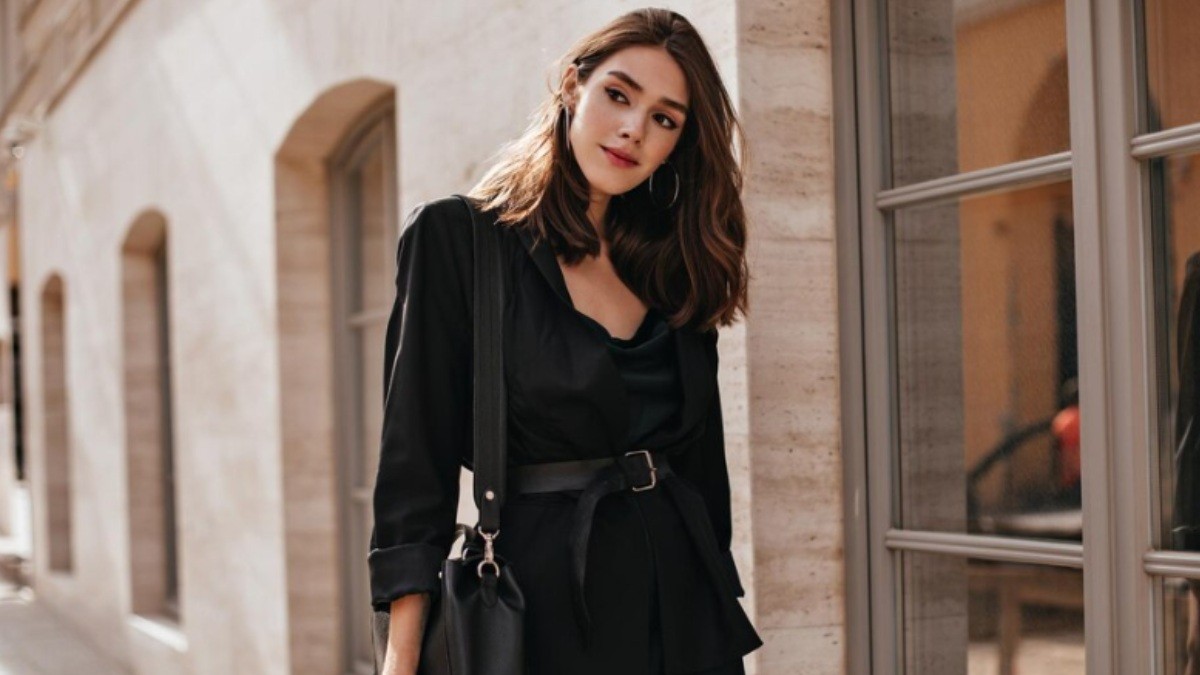
Parisian dressing is often associated with understated elegance, neutral colours, tailored pieces and effortless-looking combinations. Classic items such as trench coats, striped tops, blazers, loafers and simple dresses have become closely connected with the idea of French style.
The appeal often lies in creating a polished appearance without making an outfit appear overly complicated.
Fashion and Art in Paris
Another reason Paris has remained influential is its strong relationship with art and culture. Museums, galleries, architecture and historical landmarks provide an inspiring backdrop for designers.
Fashion exhibitions have also demonstrated that clothing can be viewed as a form of artistic expression. Designers frequently draw inspiration from paintings, sculpture, architecture, music and French history.
This connection between fashion and art gives Paris a creative atmosphere that continues to attract designers and fashion professionals.
Craftsmanship and Luxury
Paris is also known for craftsmanship. Luxury fashion depends heavily on skilled artisans who specialise in embroidery, tailoring, leatherwork, jewellery, textiles and other techniques.
Many traditional skills have been preserved through generations, helping French fashion houses maintain their reputation for attention to detail.
At the same time, Parisian designers continue to experiment with technology, sustainable materials and contemporary design, demonstrating that tradition and innovation can exist together.
Paris Fashion in the Modern Era
The modern fashion industry is increasingly global. Designers from different countries bring diverse cultural influences to Paris, while social media has made fashion trends accessible almost instantly.
Paris has adapted to these changes while maintaining its identity as a centre of creativity and luxury. Contemporary designers continue to reinterpret classic French fashion through new silhouettes, materials and cultural perspectives.
Sustainability has also become an increasingly important topic. Fashion houses and independent designers are exploring responsible production, longer-lasting garments and alternative materials in response to growing environmental awareness.
Why Paris Remains a Fashion Capital
Paris has remained a fashion centre because it combines history, creativity, craftsmanship, luxury and cultural influence. Its fashion identity has evolved continuously rather than remaining fixed in the past.
From haute couture ateliers to busy city streets, Paris demonstrates that fashion can be both highly artistic and part of everyday life. Its designers have repeatedly challenged conventions while preserving the importance of quality and craftsmanship.
Paris's position as a global fashion centre is the result of centuries of history and continued innovation. The city's couture houses, designers, artisans, fashion weeks and distinctive street style have influenced generations of fashion lovers.
While the fashion industry continues to change, Paris remains a powerful source of inspiration. Its ability to combine heritage with modern creativity ensures that the French capital will continue to hold a special place in the world of fashion.




Comments 0