
Rainy weather can feel nice after a hot and humid day, but the change in weather can also pose problems for your skin. During rainy times, people notice oiliness, clogged pores and acne and, in many cases, irritation from the rain, and so they may question if rainwater is to blame. Rainwater is not harmful to the skin per se, therefore, exposure to polluted rainwater, humidity, sweat and environmental contaminants makes the skin feel like a bit more likely to get oily, and with that lead to breakouts.
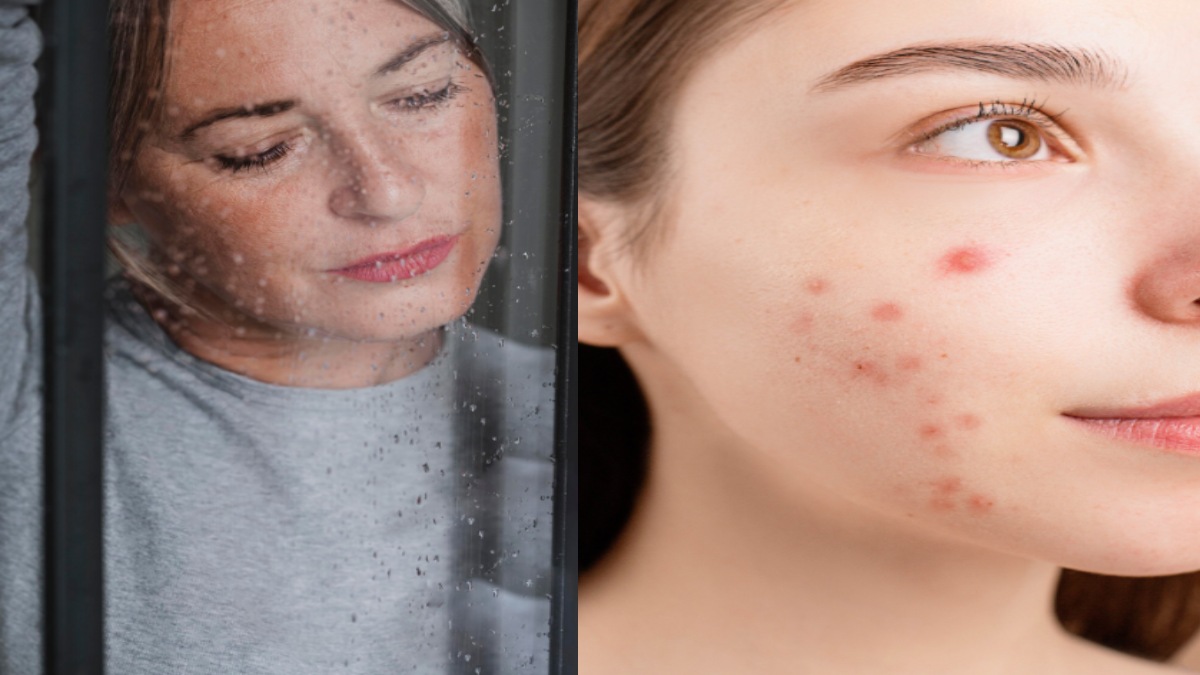
Acne is not just caused by dirty water. Acne occurs when hair follicles are clogged with oil and dead skin cells, inflammation and acne-associated bacteria are also involved. Hormones, genetics, skincare products, stress and other factors all affect acne. Rainy weather can be a cause of some of them; however, it isn’t always the cause of acne by itself.
The wet season is a significant factor for humidity. High humidity is the most important factor during the rainy season. Humid conditions can make the skin feel sticky and cause sweating too. Because sweat can be combined with excessive oil, sunscreen, makeup and environmental particles, pores can become congested. When oily or acne-prone skin is present, it can cause more breakouts.
Related Articles


Rainwater also picks up pollutants and particles as it moves through the atmosphere. Water may come into contact with dust, smoke and other particles in urban areas before it gets onto the ground. As rainwater gets on roads, buildings and other surfaces, it can become contaminated with additional substances. If this happens, prolonged contact with contaminated water can irritate sensitive skin.
Another issue to avoid is staying in wet clothing after getting caught in the rain. Damp clothing, combined with sweat and friction, can irritate the skin. Areas where clothing remains tight against the body may be particularly vulnerable to irritation and certain types of body breakouts. Changing into clean, dry clothes after getting wet can help keep the skin comfortable.
Hair can also cause facial breakouts when it is humid. Sweat, excess oil and hair products can seep from the scalp or hair onto the face. If you see pimples around the forehead or hairline, consider whether heavy hair products or prolonged contact with oily hair is a contributing factor.
Related Articles


A simple cleansing routine can help during rainy weather. After extensive exposure to sweat, pollution or rainwater, the face should be washed gently. Washing too much can irritate the skin barrier and make existing inflammation worse. That’s why a mild cleanser that suits your skin type is preferred to harsh soaps or abrasive scrubs.
Moisturising is still important even in humid weather when your skin is oily. When you skip moisturiser, it leaves your skin feeling uncomfortable and may encourage you to use harsh products. People with oily and acne-prone skin can look for lightweight, non-comedogenic moisturisers.
Sunscreen shouldn’t just be forgotten when the sky is cloudy. Ultraviolet rays are still able to reach the skin even under a cloud. A broad-spectrum sunscreen can help protect against UV skin damage. Choose a formulation that suits your skin type, particularly if you are prone to clogged pores.
Makeup and skincare products are also to be selected carefully when humid weather is present. Heavy, oily formulations can feel uncomfortable and can cause congestion for some people. Look for products labeled non-comedogenic if you are prone to acne and remove makeup properly at the end of the day.
If you have been exposed to rain, gently rinse or cleanse your face when you return indoors, particularly if the water may have been contaminated. Don’t use harsh household products or unverified DIY remedies to remove pollutants from your skin. A simple skincare routine is typically sufficient.
People with persistent acne should also remember that seasonal changes aren’t always the main cause. If breakouts are painful, widespread, leave scars or don’t get better with over-the-counter treatment, a dermatologist can assess the skin and suggest suitable treatment.
Ultimately, rainwater is not necessarily an acne-causing substance. The combination of humidity, sweat, pollution, wet clothing, increased oiliness and changes in skincare habits may create a more favourable environment for breakouts in some people. Maintaining gentle cleansing, appropriate moisturisation, sun protection and clean, dry clothing can help support healthier skin throughout the rainy season.
This article is for general skincare information and is not a substitute for advice from a qualified dermatologist. Persistent or severe acne should be evaluated by a healthcare professional.




Comments 0