
Fast fashion has transformed the way people shop for clothing. New styles appear in stores and online at remarkable speed, while low prices make it possible for consumers to buy more clothes than ever before. Behind this convenience, however, lies a complicated global supply chain involving millions of garment workers. The true cost of fast fashion is therefore not measured only by the price printed on a clothing tag. It also includes the working conditions, wages, environmental pressures and social challenges experienced by the people who make those clothes.
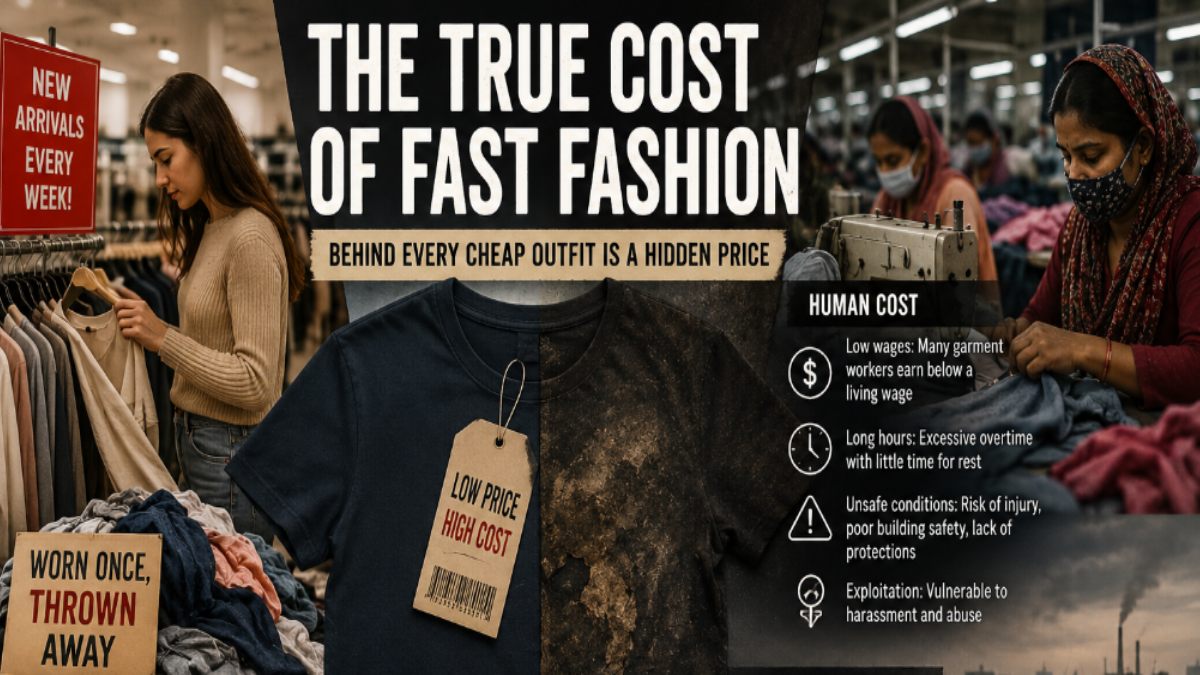
The fast-fashion business model depends largely on producing garments quickly and selling them at competitive prices. To keep costs low, brands may source manufacturing from countries where labour and production expenses are lower. This creates employment opportunities, but it can also leave workers vulnerable when strong labour protections, effective enforcement or fair bargaining power are lacking.
Low Wages and Economic Pressure
One of the most frequently discussed concerns surrounding garment workers is pay. Workers may receive wages that are insufficient to comfortably cover essential expenses such as housing, food, healthcare and education, depending on the country and employment arrangement.
Related Articles

Low retail prices can create pressure throughout the supply chain. When brands compete to offer inexpensive clothing and faster production, suppliers may face demands to reduce costs and meet strict deadlines. Workers can ultimately experience the consequences through intense workloads or limited opportunities to negotiate better conditions.
Fair compensation is therefore an important part of conversations about ethical fashion. A garment may be inexpensive for a consumer, but the people who produced it should still receive appropriate compensation for their labour.
Long Hours and Production Targets
Garment production can involve demanding schedules, particularly when factories are working to meet large orders or tight deadlines. Workers may be expected to complete high numbers of tasks within limited periods.
Related Articles

Excessive working hours can affect physical and emotional wellbeing. Repetitive tasks, prolonged standing or sitting and pressure to maintain production targets can also contribute to workplace fatigue.
Responsible manufacturing requires more than simply creating jobs. Workers need reasonable working hours, appropriate breaks and conditions that protect their health and safety.
Workplace Safety
Workplace safety has become a major issue in discussions about the global fashion industry. Factory environments can involve machinery, chemicals, electrical systems and large numbers of employees working in confined spaces. Poorly maintained buildings or inadequate emergency procedures can increase risks.
Past industrial disasters have highlighted the devastating consequences that can occur when worker safety is neglected. These events have strengthened calls for better building standards, inspections, emergency preparedness and accountability across fashion supply chains.
Consumers increasingly want to know not only what a garment looks like but also where and how it was produced. Greater transparency can help companies identify risks and encourage stronger standards.
The Pressure of Constantly Changing Trends
Fast fashion is built around frequent changes in consumer demand. Social media can accelerate this cycle by making new trends visible almost instantly. A style can become popular one week and appear outdated shortly afterward.
This creates pressure to produce garments at increasing speed. Workers are positioned at the end of a supply chain responding to consumer demand, meaning the desire for inexpensive, rapidly changing clothing can have consequences far beyond the shopping experience.
The alternative is not necessarily to stop buying clothes altogether. Consumers can instead consider whether they need an item, how often they expect to wear it and whether it is likely to remain useful beyond a single trend cycle.
Women Make Up a Large Part of the Workforce
Women represent a substantial proportion of workers in many garment-producing regions. Employment in apparel manufacturing can provide important income and opportunities for women, particularly in communities where formal employment options are limited.
At the same time, women workers can face additional challenges, including unequal pay, limited opportunities for advancement, harassment and difficulties balancing paid employment with unpaid family responsibilities.
Improving conditions for garment workers therefore has an important gender dimension. Policies that promote equal treatment, safe workplaces, fair pay and access to grievance mechanisms can make a meaningful difference.
What Can Consumers Do
Consumers cannot solve the complex problems of the fashion industry alone, but purchasing decisions can contribute to change. One simple approach is to buy fewer items and choose clothing that can be worn repeatedly.
Shopping second-hand is another way to extend the life of garments. Repairing damaged clothing, donating usable items responsibly and avoiding unnecessary purchases can also reduce demand for constant new production.
Consumers can additionally look for brands that provide meaningful information about their supply chains and demonstrate credible commitments to worker welfare. However, labels such as “ethical” or “sustainable” should not automatically be accepted without checking what a company actually discloses.
The Role of Fashion Brands and Governments
Responsibility also rests heavily with fashion companies, manufacturers and governments. Brands can establish stronger supplier standards, conduct meaningful audits, improve supply-chain transparency and ensure purchasing practices do not create unreasonable production pressure.
Governments can strengthen labour laws, enforce workplace standards and provide workers with accessible mechanisms for reporting violations. Independent worker organisations and labour unions can also play an important role in giving employees greater collective bargaining power.
Moving Towards a Fairer Fashion Industry
The true cost of fast fashion extends beyond environmental waste and resource consumption. It includes the human effort behind every garment. Every shirt, pair of jeans or dress passes through the hands of workers whose labour makes the global fashion system possible.
Creating a fairer industry requires a shift away from viewing clothing as disposable. Consumers, brands, manufacturers and policymakers all have roles to play in improving conditions. Buying thoughtfully, supporting responsible businesses, valuing garment workers and demanding greater transparency can help encourage a fashion system that respects both people and the planet.
Ultimately, the real value of clothing should not be determined solely by how little it costs at the checkout. It should also reflect the dignity, safety and fair treatment of the people who made it.




Comments 0