
From acne and pigmentation to rashes and irritation, many everyday skin concerns lead people to search for home remedies. While gentle skincare and basic self-care may be appropriate for minor problems, persistent or unusual changes should not always be treated with ingredients from the kitchen cabinet.
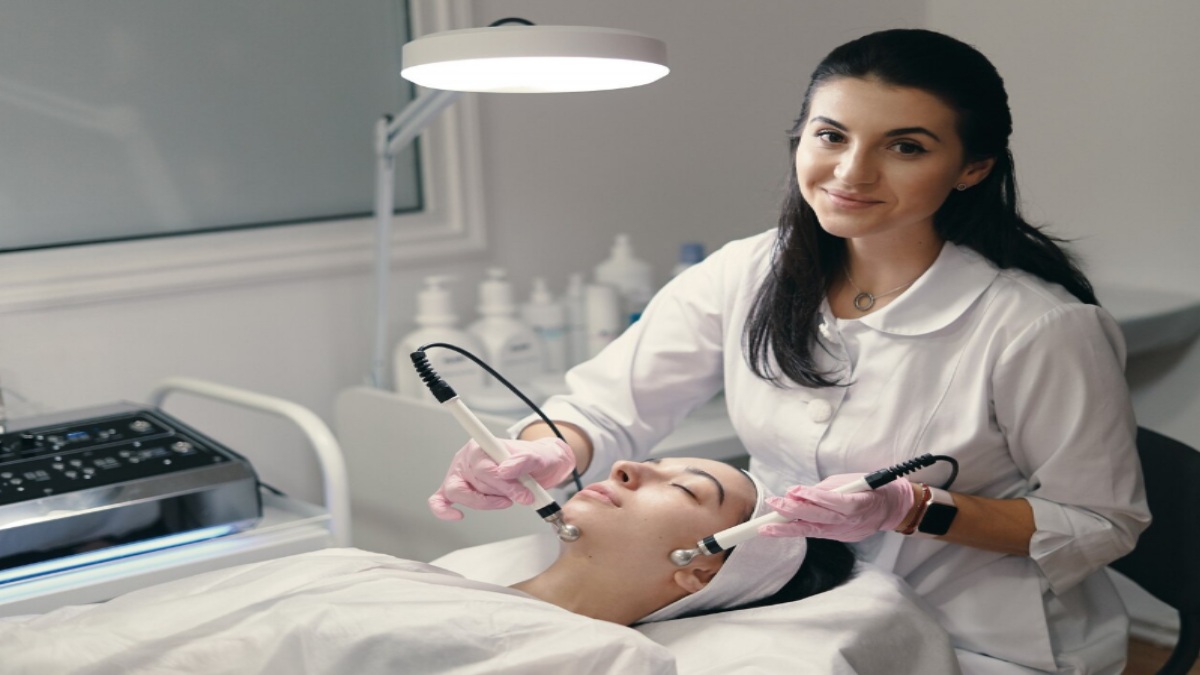
Skin can sometimes provide clues about an infection, allergic reaction, inflammatory condition or another underlying health issue. Knowing when to stop experimenting and seek professional advice can help prevent a minor problem from becoming more difficult to manage.
Here are eight warning signs that it may be time to consult a dermatologist or other qualified healthcare professional.
Related Articles


1. A Rash That Does Not Go Away
A temporary rash caused by mild irritation may improve after removing the trigger. However, a rash that persists, repeatedly returns or continues to spread deserves professional evaluation.
Skin rashes can have many causes, including eczema, psoriasis, allergic reactions, infections and medication-related reactions. Applying multiple home remedies without knowing the cause may sometimes worsen irritation.
2. Severe or Persistent Acne
Occasional pimples are common, but painful, deep or persistent acne may require targeted treatment. Cystic or nodular acne can also increase the risk of permanent scarring.
Related Articles


If over-the-counter products and a consistent gentle skincare routine are not improving your acne, a dermatologist can determine the type of acne and recommend appropriate treatment.
Avoid repeatedly squeezing or picking spots, as this can increase inflammation and the likelihood of scarring.
3. A Mole or Spot That Changes
One of the most important reasons to seek professional skin assessment is a changing mole or pigmented spot.
Pay attention to changes in size, shape, colour or texture, as well as spots that bleed, crust, itch persistently or fail to heal. A new or changing lesion does not automatically mean cancer, but unusual changes should be assessed rather than treated with home remedies.
4. A Wound That Will Not Heal
A small cut or abrasion should generally begin healing with basic wound care. If a sore or wound does not heal, repeatedly opens, bleeds or develops unusual changes, seek medical advice.
Persistent wounds can sometimes be associated with infection, circulation problems, diabetes or other health conditions and should not be ignored.
5. Sudden and Severe Skin Changes
If your skin suddenly develops widespread redness, swelling, blistering, peeling or significant pain, professional evaluation may be necessary.
Some reactions can be triggered by new skincare products, medications, foods, infections or environmental exposures. Severe symptoms may require urgent medical attention, particularly if they occur alongside breathing difficulties, facial swelling, dizziness or other signs of a serious allergic reaction.
6. Intense Itching or Burning
Occasional itching can result from dry skin, but intense, persistent or unexplained itching may have a range of causes.
Conditions such as eczema, contact dermatitis, fungal infections and some systemic health problems can cause significant itching. Constant scratching can damage the skin barrier and increase the risk of secondary infection.
Rather than continuously applying different oils, pastes or other remedies, seek professional guidance if the itching continues.
7. Repeated Skin Infections
If you frequently develop boils, fungal infections, infected hair follicles or other recurring skin infections, it is worth discussing the problem with a healthcare professional.
Repeated infections may sometimes be associated with environmental factors, skin-barrier problems, underlying health conditions or other causes that require appropriate assessment.
Using leftover antibiotics or applying random medications without medical guidance can be unsafe and may contribute to treatment problems.
8. Your Skin Problem Is Affecting Your Quality of Life
Skin conditions are not only cosmetic concerns. Persistent acne, eczema, psoriasis, scarring, itching or other visible changes can affect sleep, confidence, work and social relationships.
If a skin problem is causing significant emotional distress or interfering with everyday activities, professional support is appropriate. Effective treatment may improve both physical symptoms and quality of life.
Why Home Remedies Can Sometimes Backfire
Natural does not automatically mean safe for every skin type. Lemon juice, baking soda, undiluted essential oils, toothpaste and abrasive scrubs are examples of popular DIY approaches that can irritate the skin or damage its protective barrier.
Even ingredients that are generally gentle can cause allergic or irritant reactions in some people.
A better approach is to keep your routine simple when your skin is irritated: use gentle cleansing, moisturise appropriately and protect exposed skin from excessive sun exposure while seeking professional advice when symptoms persist.
When Should You Seek Urgent Medical Care
Some skin symptoms require prompt attention. Seek urgent medical help for rapidly spreading rashes accompanied by fever or feeling very unwell, severe facial or throat swelling, difficulty breathing, extensive blistering or peeling, or signs of a serious infection such as rapidly increasing redness, warmth, swelling and severe pain.
Home skincare can have a place in everyday skin maintenance, but it should not replace professional evaluation when symptoms are persistent, severe, unusual or worsening.
A changing mole, non-healing wound, severe acne, recurring infection, persistent rash or intense itching can all be reasons to consult a dermatologist. Instead of trying one home remedy after another, identifying the underlying cause is often the most effective step toward healthier skin.




Comments 0