
Who says getting fit has to be running for hours on a treadmill or sitting through a gym routine for a month? If cardio is boring, exhausting or just not fun, dancing might be a more fun way to get your heart rate up. From Zumba and salsa to hip-hop and freestyle dance, a 30-minute dance workout can make for a really effective full body workout while entertaining you.
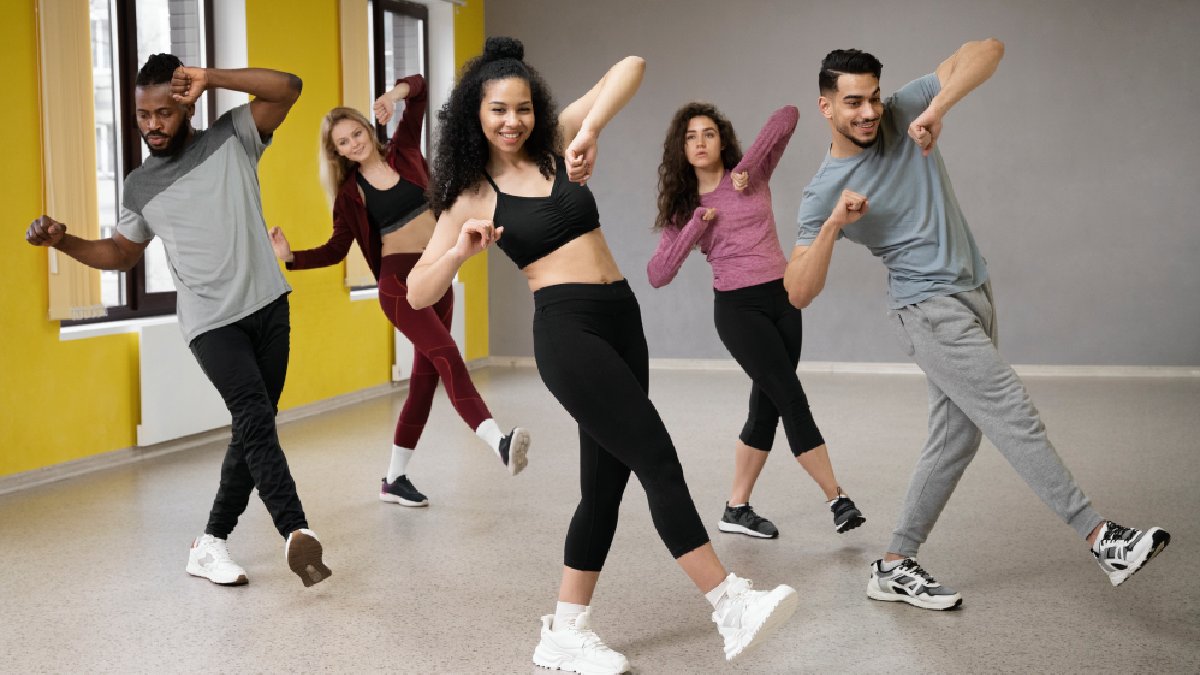
Dancing is more than merely moving to your favourite song. Moderate to high intensity exercise is good for the heart, circulation, coordination, muscle group involvement, burning calories and so on. The best part is that it’s something you can do that’s more fun and makes the exercise look like something you look forward to doing.
As Aman Puri, Sports, Fitness & Kids Nutrition Specialist and founder of Steadfast Nutrition, says, dancing is a full workout. “Dancing is a very complete workout and can help you develop cardiovascular health, circulation and muscle strength,” he says. Dance is fast and rhythmic and it can also be tricky to balance and to work with your partners, and is also not a sport that is easy to learn.
Related Articles


Dancing Can Burn Up To 300 Calories In 30 Minutes
One of the most compelling reasons people do dance workouts is calorie-burning. Depending on body weight, dance style and the type of exercise on which level the dancer is working out, 30 minutes of dancing can burn about 250–300 calories.
Higher-intensity dance styles also increase energy expenditure. Hip-hop, Zumba, salsa and other fast-paced dance formats often feature continuous movement, fast swings in the direction, jumps, hops and other dynamic steps. These movements can raise the heart rate and make the workout considerably more demanding.
"Choreography is a game-changer," Puri says. And structured dance routines add something new and different to the exercises in order to make them more challenging and more fun. But calorie expenditure varies from individual to individual, so these numbers should be seen as estimates, and not guarantees.
Related Articles


Is dancing a good alternative to traditional cardio?
For people who don’t like the routine of cardio, dance can be a great alternative. Obviously, running, cycling and treadmill workouts can help cardiovascular fitness but not everybody enjoys doing the same thing for long periods of time.
Dance is music, rhythm, coordination and movements that keep on changing. The variety can help keep people mentally active while exercising. High-intensity dance moves like high knees, jumps, hops, squats and side-to-side movements can have high heart rate effects and challenge the cardiovascular system.
And if you find repetitive cardio monotonous and tiring, choreographed dancing is an excellent option, Puri says.
Following choreography also promotes continuous movement, turning the simple steps into a structured aerobic workout. Beginners can start with low-impact routines and gradually build the complexity and pace as their fitness improves.
Dance Works More Than Just Your Heart
Dancing workouts are a big benefit because they involve the whole body. Dance can activate the legs, glutes, core, shoulders and arms in one go depending on the rhythm.
Repeated squats, lunges, jumps and directional movements can challenge the lower body, while arm movements and choreography can engage the upper body. Stable posture and control of movement also rely on core stability.
“Choreography converts simple movements into progressive and structured moves, improving the flow of movements. It can also improve coordination, increasing the ability to perform dance moves without fatigue,” says Puri.
Over time, dance workouts may improve stamina, balance, mobility and functional strength. Everyday activities like climbing stairs, walking longer distances or carrying groceries feel easier to carry out.
Dancing Can Also Lift Your Mood
Dancing is not the only reason you have to incorporate dancing into your fitness routine. Music and movement can make working out more fun and help make the workout more enjoyable and may have an effect on your mind and can reduce stress and anxiety. For many people, dancing provides a mental break from work, home life and daily routines.
Whether you follow a professional online class, or create your own 30-minute freestyle session at home, the goal is to keep moving consistently. You don’t need expensive equipment or a gym membership to get started.
How To Make A 30-Minute Dance Workout Effective
Start with about five minutes of gentle movement to warm up your muscles and gradually raise your heart rate. Then you dance for around 20 minutes of continuous dancing with some moderate and high-energy movement. Finish with five minutes of slower movements and stretching to help your body cool down.
Your music should motivate you and you should choose a dance style you enjoy and can dance to. If you’re a beginner to exercising, start with low-impact choreography and avoid the kind of jumps that make your balance and conditioning worse.
In other words, consistency is more important than a calorie number. A dance workout you like and that you can keep up regularly can be easier to keep up with than a workout that sounds like punishment.
So, if the treadmill isn’t your thing, put on your favourite playlist and start moving. Thirty minutes of dancing can turn cardio into something energetic, social and fun.

Comments 0