
Protein is an important nutrient for maintaining muscles, supporting tissue repair, and producing enzymes and hormones. Protein from eggs, dairy, fish and meat are the most common source, but pulses and legumes can also provide large amounts of protein for people who have a vegetarian or plant-based diet.
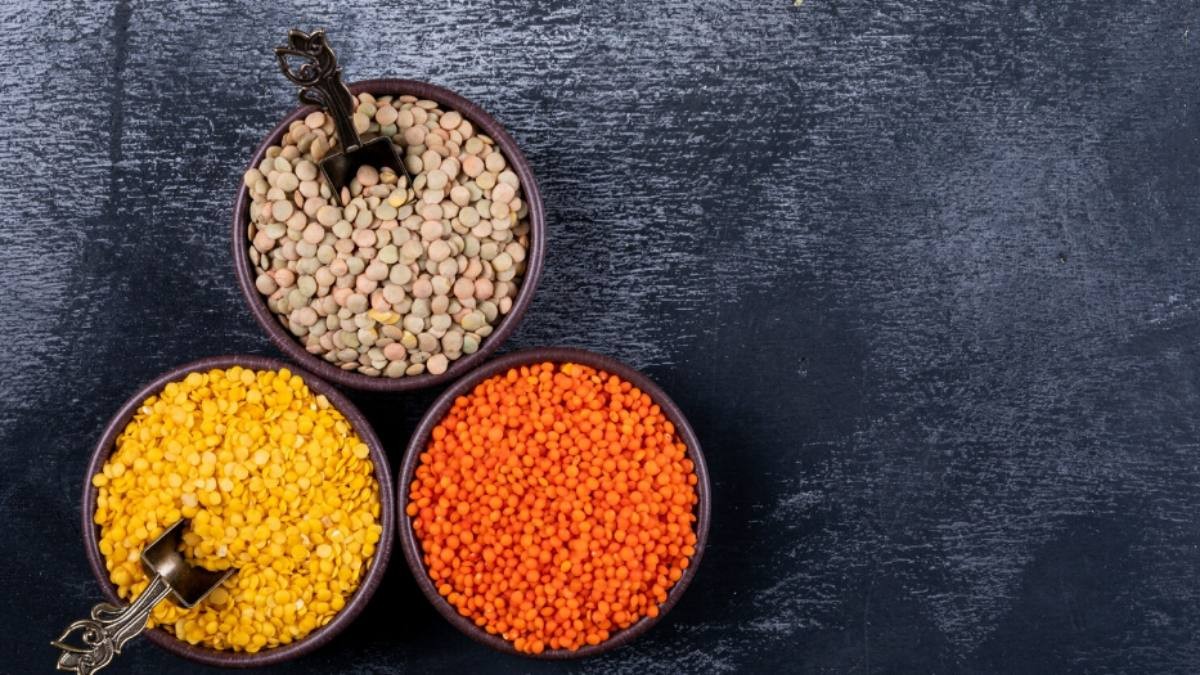
Pulses are especially useful since they provide protein along with carbohydrates, dietary fibre and several vitamins and minerals. According to the Indian Food Composition Tables, uncooked pulses and legumes provide about 22.8 grams of protein per 100 grams on average, although the exact amount varies substantially between different varieties.
From everyday dal to rajma and chana, several familiar Indian pulses can make it easier to increase protein intake as part of a balanced diet.
Related Articles


1. Moong Dal.
Moong dal or green gram, is a popular ingredient in Indian households and has been used in dal, khichdi, soups, sprouts, and other dishes.
According to Indian food composition data, 100 grams of uncooked moong dal contains about 23.8 grams of protein. And it has carbohydrates and dietary fibre to provide nutrients.
Cooked portions contain less protein per 100 grams since pulses absorb water during cooking. This is why nutrition figures should always specify whether the food is being measured before or after cooking.
Related Articles


Moong dal can be included in a regular meal with rice or roti, vegetables and other protein sources.
2. Masoor Dal
Red lentils or Masoor dal, are another plant-based protein to add. It is quickly cooked and is often used for dal, soups and curries.
The Indian Food Composition Tables list about 24.3 grams of protein per 100 grams of uncooked masoor dal. It also contains about 10.4 grams of dietary fibre per 100 grams.
Lentils are also known for their protein and fibre combination. A half-cup of cooked lentils contains about 9 grams of protein and 8 grams of fibre, according to nutrition data from the USDA database.
So adding masoor dal to meals can also provide protein and fibre without the need to depend on animal-based food.
3. Chana Dal
Chana dal is made from split Bengal gram and is widely used in Indian cooking. It can be prepared as dal, added to vegetable dishes or used in snacks and other recipes.
According to Indian food composition data, 100 grams of uncooked chana dal provides around 21.5 grams of protein and about 15.2 grams of dietary fibre.
Chickpeas and Bengal gram are also good sources of several micronutrients. The nutritional profile will vary depending on whether the pulse is whole, split, soaked or cooked.
Because chana dal is also rich in carbohydrates, it could be an integral part of an entire meal rather than a protein source alone.
4. Rajma
Rajma or kidney beans, is another common Indian source of plant protein. Rajma curry with rice is a popular combination and the beans may be added to salads, wraps, and other meals.
Indian food composition data lists about 19.4 grams of protein per 100 grams of uncooked rajma, along with about 17 grams of fibre.
USDA-based nutrition data shows cooked kidney beans have 9.5 grams of protein and 9.3 grams of fibre per 100 grams. The dry and cooked quantities differ significantly because beans absorb water in preparation.
Kidney beans should always be properly cooked before consumption. Raw or inadequately cooked kidney beans can contain high levels of naturally occurring compounds that can cause gastrointestinal illness.
5. Urad Dal
Urad dal or black gram is another protein-rich pulse commonly used in Indian cuisine. It is an important component in idli, dosa, vada, and many other kinds of dal.
According to the Indian Food Composition Tables, 100 grams of uncooked urad dal contains around 23.1 grams of protein.
Urad dal also adds carbohydrates and minerals to the diet. When it’s used in fermented foods like idli and dosa, it is generally accompanied by rice so that the final product is nutritionally different from the uncooked pulse itself.
And if people want to have more plant-based protein, traditional foods with urad dal are also great to include in a variety of diets.
How much Protein do pulses provide?
Protein in pulses is determined by the variety of pulses and how they are prepared.
Dry pulses generally appear to have much higher protein concentrations per 100 grams than cooked pulses because cooking introduces water. For instance, 100 grams of dry lentils can contain more than 20 grams of protein, while 100 grams of cooked lentils have about 9 grams.
Such a distinction is important when comparing nutrition labels or calculating daily protein intake.
Pulses also have an advantage that goes beyond protein. They provide dietary fibre, complex carbohydrates and various micronutrients. As legumes are important sources of protein, carbohydrates, fibre, vitamins, minerals and other bioactive compounds, this is explained.
How To Add More Pulses To Your Diet.
How can we increase pulse consumption without any sort of major changes in meals?
Moong or masoor dal can be added to lunch or dinner, while chana can be included in salads or vegetable preparation. Rajma can be paired with rice or roti, and urad dal can be eaten through dishes such as idli and dosa.
Pulses together with cereals like rice or wheat are also common in Indian diets. A range of pulses, vegetables, fruits, whole grains, nuts, seeds and suitable animal or dairy foods can provide a wider array of nutrients.
Pulses may be particularly useful for vegetarians and a population that is trying to reduce the reliance on meat. But they don’t have to be the sole source of protein. Dairy products, eggs, soy foods, nuts, seeds and other protein-rich foods can also be added to daily intake.
For most people, the focus should be on maintaining an overall balanced diet rather than only one food for protein.
A variety of pulses in regular meals is a simple way to add plant-based protein and fibre and keep traditional Indian dishes on the menu.


Comments 0