
Blood pressure can fluctuate throughout the day depending on factors such as physical activity, stress, caffeine, sleep, medications and even the environment. That is why a single blood pressure reading may not always provide an accurate picture of a person's usual blood pressure.
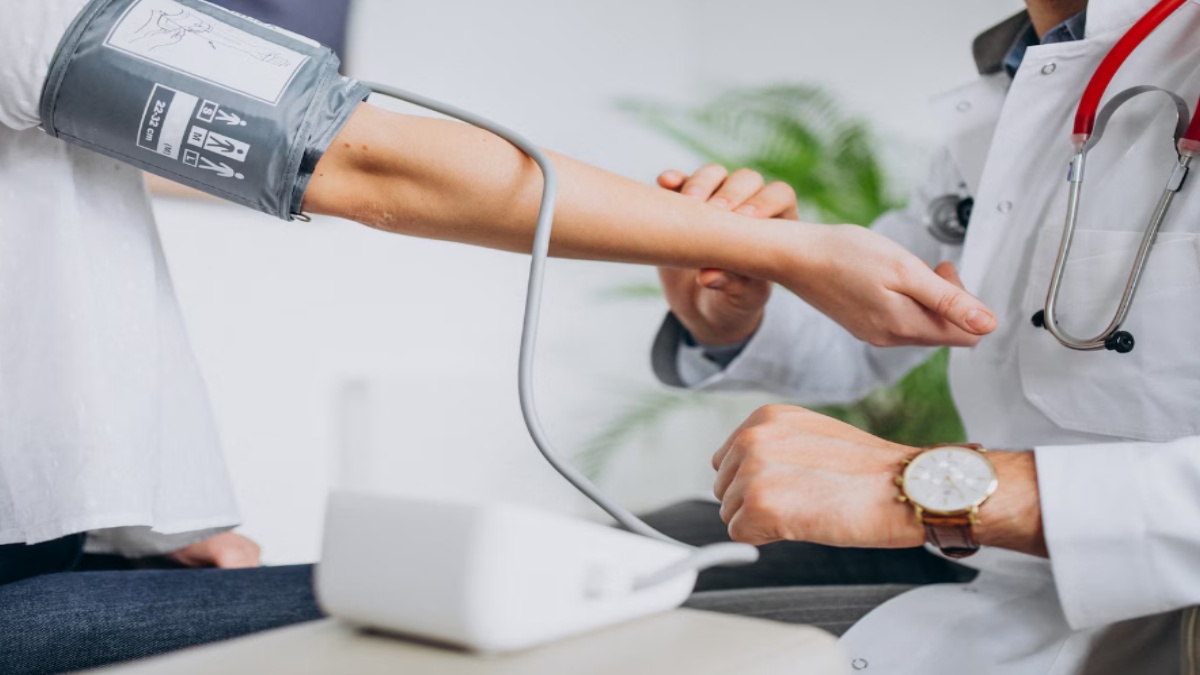
For people who are monitoring their blood pressure at home, a structured approach can provide a much clearer picture. One method that has gained attention is the “7-2-2 rule”, which is used as a simple framework for repeated home blood pressure measurements.
What is the 7-2-2 rule
The 7-2-2 approach generally means measuring blood pressure for seven consecutive days, taking two measurements each time, and doing this twice a day.
Related Articles


In practical terms, a person would typically check their blood pressure:
- For 7 consecutive days
- Twice a day, usually once in the morning and once in the evening
- With 2 readings taken at each measurement session, usually separated by about one minute
This produces multiple readings rather than relying on a single number. The resulting record can help a healthcare professional assess the person's blood pressure more reliably.
However, specific protocols can vary, and people should follow their doctor's instructions, particularly when blood pressure is being monitored for a medical condition.
Related Articles


Why is one blood pressure reading not enough
Blood pressure is not a fixed number. It naturally changes during the day.
For example, someone may temporarily have a higher reading after climbing stairs, drinking coffee, feeling anxious or rushing into an appointment. This does not necessarily mean they have persistent hypertension.
The opposite can also happen. A person with high blood pressure may occasionally obtain a normal reading.
Repeated measurements can therefore help reveal a pattern rather than capturing only one moment.
How should you prepare before measuring BP
Correct technique is essential. Before taking a reading, sit quietly for around five minutes. Avoid exercising, smoking and consuming caffeinated drinks shortly beforehand.
Sit with your back supported and feet flat on the floor. Keep your legs uncrossed and rest your arm on a table or other surface so that the cuff is positioned approximately at heart level.
The cuff should be placed directly on bare skin rather than over clothing, and it should be the appropriate size for your arm.
During the measurement, remain still and avoid talking.
Why take two readings
Blood pressure can differ slightly from one measurement to another. Taking two readings at the same sitting can provide additional information and reduce the chance of relying on an unusual single result.
Write down both readings, along with the date and approximate time. If your doctor has asked you to monitor your BP, sharing the complete record can be more useful than reporting only the highest or lowest number.
What should you do with the readings
A blood pressure log can help your doctor identify trends. Rather than focusing on one isolated number, healthcare professionals can look at readings across several days.
Do not change or stop blood pressure medication based solely on home readings unless your healthcare professional tells you to do so.
People who repeatedly record elevated readings should discuss them with a doctor. Similarly, unusually low readings accompanied by symptoms such as dizziness, fainting or weakness deserve medical attention.


Comments 0