
Blood pressure is one of the most important indicators of overall health. It measures the force of blood pushing against the walls of your arteries as the heart pumps blood through the body. And if health is not maintained then high blood pressure (hypertension) or low blood pressure (hypotension) can have serious health complications.
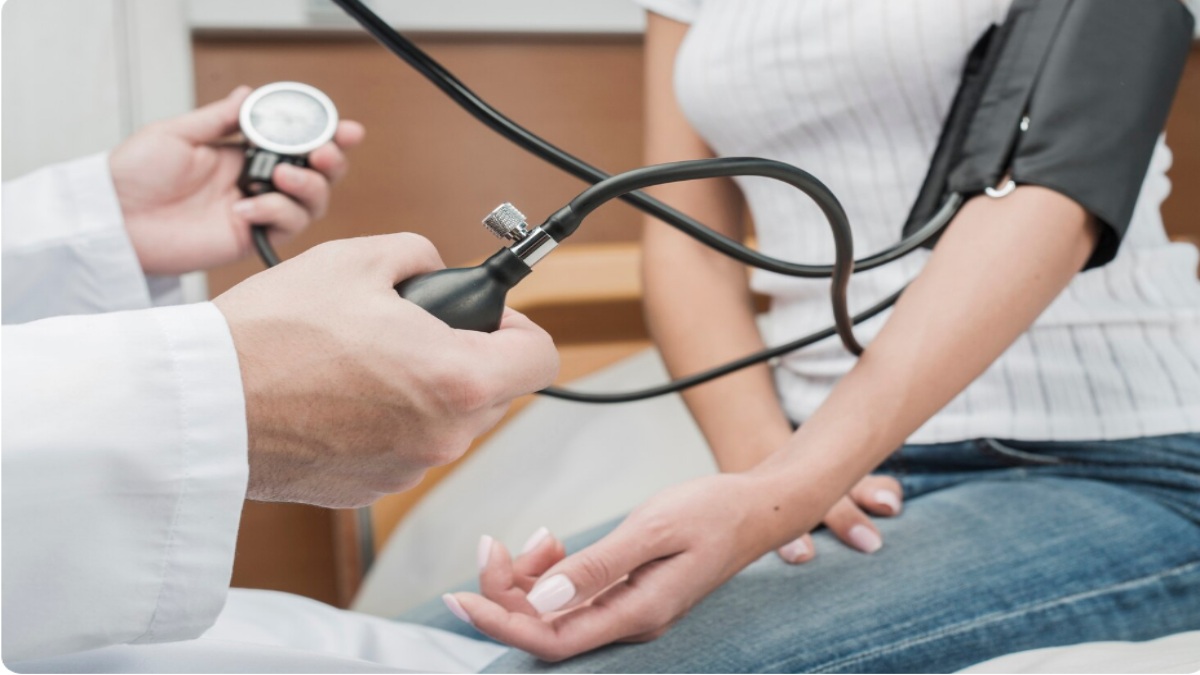
Because blood pressure is a function of activity, stress and other factors that can vary over the day (and so can your health) blood pressure changes to be stable and therefore monitoring regularly can detect a health problem early in life. The understanding of blood pressure, what causes it and how to maintain healthy levels is critical to long-term well-being and how to keep it healthy.
What is blood pressure
Blood pressure is recorded using two numbers:
Related Articles
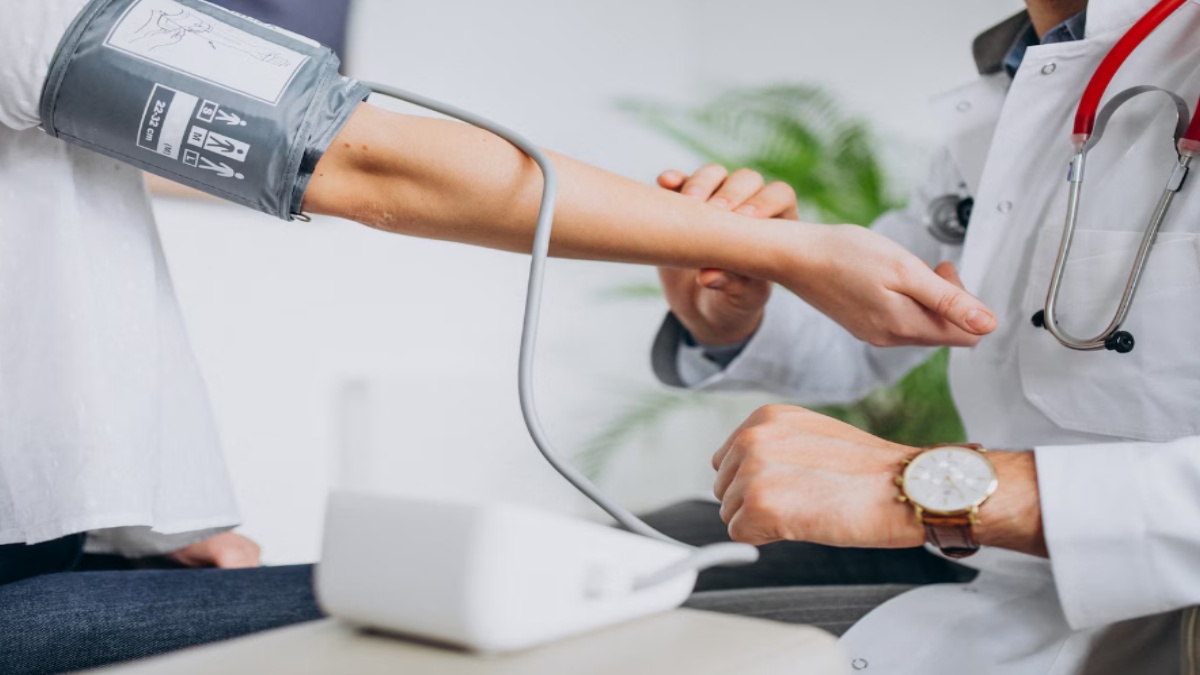

- Systolic blood pressure: The top number measures the pressure in the arteries when the heart contracts and pumps blood.
- Diastolic blood pressure: The bottom number measures the pressure in the arteries when the heart relaxes between beats.
Blood pressure is measured in mmHg. In most clinical guidelines, blood pressure of less than 120/80 mmHg is normally within the normal range for healthy adults, but individual targets may vary according to age, health status, and medical advice.
What causes high blood pressure
High blood pressure can develop gradually over time and not have a single identifiable cause. Factors that can increase risk include:
- Excessive salt intake
- Being overweight or obese
- Lack of regular physical activity
- Smoking and tobacco use
- Excessive alcohol consumption
- Chronic stress
- Family history of high blood pressure
- Increasing age
- Diabetes
- Kidney disease
- High cholesterol
There are other medications and medical conditions associated with high blood pressure.
Related Articles


Symptoms of high blood pressure
High blood pressure is often referred to as the "silent killer" because most people show no immediate symptoms. However, high blood pressure may sometimes cause symptoms like:
- Persistent headaches
- Dizziness
- Blurred vision
- Chest pain
- Shortness of breath
- Nosebleeds (less common)
- Fatigue
Precautionary blood pressure checks are important because symptoms can not show until blood pressure is dangerously high.
Understanding Low Blood Pressure
Low blood pressure occurs when blood pressure falls below the level needed to adequately supply blood to the body’s organs. Some people naturally have lower blood pressure without symptoms but others may experience:
- Lightheadedness
- Dizziness
- Fainting
- Blurred vision
- Nausea
- Weakness
- Difficulty concentrating
Low blood pressure is due to dehydration, some medications, heart problems, severe infections, hormonal disorders or prolonged bed rest. Anyone who is still having symptoms should seek medical advice.
Complications of uncontrolled high blood pressure
If hypertension is left untreated, it can damage blood vessels and increase the risk of a number of serious diseases, including:
- Heart attack
- Stroke
- Heart failure
- Kidney disease
- Vision loss
- Peripheral artery disease
- Cognitive decline and vascular dementia
Early diagnosis and appropriate management greatly reduce these risks.
Healthy Lifestyle Habits for Maintaining Blood Pressure
Many people can improve or help manage blood pressure through healthy lifestyle choices.
Eat a Heart-Healthy Diet
Choose plenty of:
- Fruits
- Vegetables
- Whole grains
- Beans and legumes
- Lean proteins
- Fish
- Low-fat dairy products
- Nuts and seeds
In particular, limit processed foods, high sodium, added sugars and saturated or trans fats.
Reduce Sodium Intake
Sodium levels that are too high can cause hypertension in many people. Meals can be prepared at home and reading the food labels can help to reduce sodium intake.
Stay Physically Active
If appropriate for your health status, we recommend at least 150 minutes of moderate-intensity aerobic activity per week, along with muscle-strengthening activities on two or more days each week.
Maintain a Healthy Weight
Even a small weight loss in individuals who are overweight can improve blood pressure and decrease cardiovascular risk.
Avoid Smoking
Smoking damages blood vessels and significantly increases the risk of heart disease and stroke. Quitting smoking provides immediate and long-term health benefits.
Limit Alcohol
If you drink alcohol, do so in moderation, as that can benefit your heart health.
Manage Stress
Chronic stress can lead to unhealthy behaviors that affect blood pressure. Meditation, yoga, deep breathing, regular exercise and sufficient sleep are some ways to manage stress.
Monitoring Blood Pressure
Blood pressure monitoring is a good way to detect hypertension early. When done correctly, home blood pressure monitors can be useful, but readings should be discussed with a healthcare provider if they are consistently above or below the recommended range.
Follow your healthcare provider’s advice regarding medication, frequency of monitoring, and lifestyle changes.
When should you see a doctor
Consult a healthcare professional if:
- Your blood pressure readings are consistently elevated
- You experience symptoms such as chest pain, severe headache, sudden weakness, difficulty speaking, vision changes or shortness of breath
- You have recurrent episodes of dizziness or fainting
- You have diabetes, kidney disease or a family history of hypertension
If you have symptoms that could indicate a heart attack or stroke, seek emergency medical care immediately.
Blood pressure is a vital measure of cardiovascular health, and keeping it within a healthy range is essential for preventing serious complications. Since high blood pressure can occur without visible signs, regular screening is critical. A nutritious diet, regular exercise, maintaining a healthy weight, avoiding tobacco, limiting alcohol, managing stress, and following medical advice can all contribute to healthy blood pressure levels.
By making informed lifestyle choices and seeking timely medical care when needed, you can protect your heart, reduce the risk of chronic disease, and enjoy a healthier, more active life.


Comments 0