
AI chatbots are gaining popularity among researchers and mental-health practitioners and there are concerns that if so much AI interaction is relied on, loneliness might only grow. People may use chatbots for comfort, companionship and reassurance as conversational AI is able to talk individually and emotionally to one another, but the researchers warned that AI as a replacement for meaningful human relations could become the root cause of social isolation.
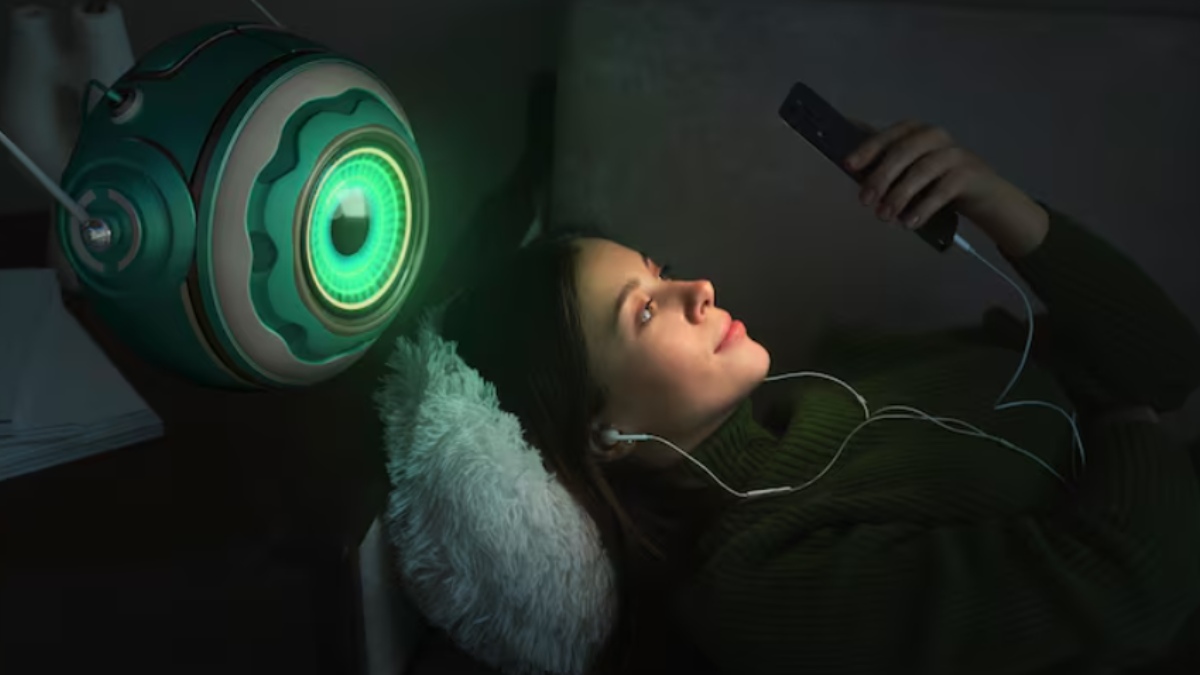
As cited by the papers on this issue, researchers at Stanford studied 1,100 adults and over 450,000 messages to investigate the connection between emotional interactions with AI and people's real-world social experiences. They also found a direct correlation: people with smaller social circles were more likely to turn to AI for emotional support whereas chatbot companionship had a greater effect on loneliness, lower life satisfaction, and less sense of belonging.
This is important because the research doesn’t conclude that AI could be responsible for poor mental health at all. Rather, it raises questions about how AI companionship might make sense in the context of loneliness and social difficulties. Someone who is already experiencing difficulty forming relationships may find conversations with a chatbot easier and less daunting than interacting with people. With the AI being available at any time and able to respond without criticism or rejection, it could be a nice alternative to uncomfortable social situations.
Related Articles


Psychotherapists have since increasingly pointed out a connection between AI dependence and social anxiety. New Jersey-based psychotherapist Samantha Hill, speaking to CNBC, noted that social anxiety and patterns were more pronounced during the COVID-19 pandemic. For millions of people, long periods of isolation disrupted normal social lives, and for some, anxiety and loneliness increased.
The rapid growth in generative AI since the pandemic has opened up another path to interact with people without getting out of my comfort zone. Chatbots can simulate conversations and remember aspects of interactions and adapt their responses to a user’s preferences. That can make a conversation with an AI companion feel highly personalised, even though the relationship is fundamentally different from a human one.
An AI relationship becomes more real-world if it replaces, not enhances, real-world relationships. A chatbot that you use occasionally for entertainment, brainstorming or conversation is different from simply skipping out on friends, family or community events because it feels easier or more satisfying for an AI companion as compared to a human being. So if digital companionship starts taking precedence over everyday life, communication skills and social relationships can be undermined.
Related Articles


There is also a bigger psychological question of how personal AI conversations are. Humans have disagreement, compromise, unpredictability and mutual responsibility; the AI chatbot, on the other hand, is designed to respond to a user's prompt and can be directed by a person's preferences. That convenience might make interactions feel comfortable but it doesn’t always provide the same emotional or social development that relationships with other people do.
The experts also insist that AI companionship is not a single answer to loneliness. Technology may bring conversation and some small comfort but it should not be a threat of retreating from the real world. Connecting to friends, family members, classmates, colleagues, people you know, and the wider community is still very important for emotional and social well-being.
AI companions may be even more significant as technology advances. AI will still be everywhere in people’s lives, but it will have to be not at the expense of human interaction.
The problem is not so much whether humans should ever talk to AI but how they do it. When we have a chatbot encounter on a regular basis we’re not going to have an artificial experience that replaces the real world. And for people who’ve never had any real social anxiety or loneliness, it’s likely to help more than fill in that gap with AI.


Comments 0