
AI is transforming industries worldwide and healthcare is one of the most significant fields in which it has made a significant impact. AI has the potential to improve patient outcomes, streamline healthcare, and make medical care more accessible to patients through the analytics of vast amounts of medical data, identifying patterns or insights, and facilitating clinical decision-making.
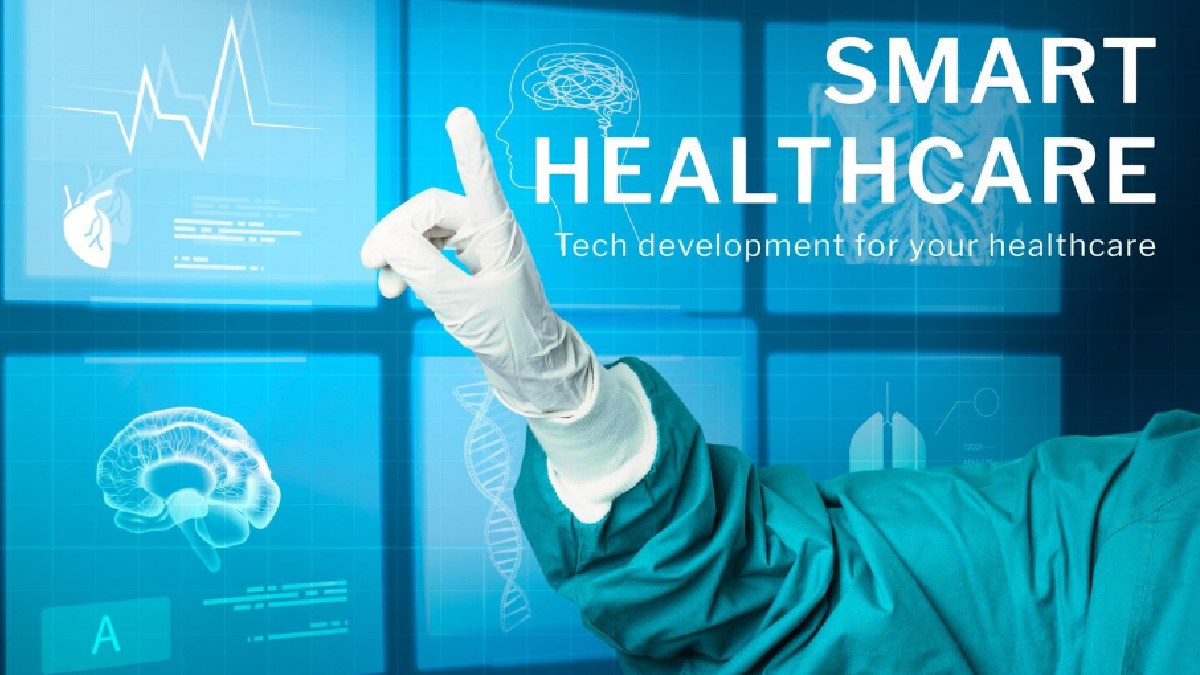
AI is not intended to replace doctors and healthcare professionals but rather to help them in their decisions, to assist them with insights, automate activities that are repetitive, and make quick, well-informed decisions. Technology is always going to improve and AI is becoming more and more of an important tool in today’s healthcare system.
What exactly is AI in Healthcare
AI in healthcare refers to computer systems that do tasks which normally require human intelligence. The tasks are to analyze medical images, predict disease risks, interpret patient data, help diagnose, plan treatments, and improve hospital management.
Related Articles


AI systems based on machine learning, deep learning, and natural language processing are used to learn from the data and to continuously improve performance.
AI in Healthcare. 1. Faster and more accurate diagnosis
The most promising applications of AI to help diagnose diseases is to diagnose and treat disease. AI is able to search through medical images (e.g., X-rays, CT scans, MRIs, and retinal scans) for disease prediction and can spot patterns in medical images that show certain conditions. These methods can help healthcare professionals to know the most if any of the areas that need further investigation in terms of what can be considered and can be targeted to be considered.
But AI findings should always be reviewed and interpreted by qualified medical professionals.
Related Articles


2. Personalized treatment plans
Every patient is unique, and AI can help clinicians customize treatment recommendations for each and every patient to match treatment recommendations based on the medical history, genetics, lifestyle factors, and other important information from patients. Personalized medicine aims to improve treatment effectiveness with less unnecessary interventions.
3. Drug Discovery and Research
New medicines typically take years of research to develop. AI can help accelerate some of this process by analyzing biological data, identifying potential drug candidates, and helping investigators to prioritize compounds for further testing. AI will help speed up research, but all new treatments will need to undergo rigorous laboratory tests and clinical trials before they are approved.
4. Medical Imaging Support
Radiologists use AI tools to enhance the review of medical images more efficiently. AI can help prioritize urgent cases, spot minor abnormalities, and improve workflow, enabling healthcare teams to focus attention where it is most needed.
5. Virtual Health Assistants
AI chatbots and virtual assistants can answer general health questions, remind patients to take medications, schedule appointments, and provide educational information. They improve convenience but do not replace professional medical advice, diagnosis, or emergency care.
6. Predictive Analytics
AI can analyze healthcare data to estimate the likelihood of certain health events such as hospital readmissions or complications in some patient populations. Such predictions can help in preventive care and resource planning, but they are based on statistical models and should be used alongside clinical judgment.
AI and healthcare. AI and Health care benefits
AI has several benefits to patients, healthcare providers, and medical institutions:
- Importantly, it helps to analyze medical data faster and more effectively
- It enhances efficiency by automating routine administrative tasks
- It provides evidence-based decision-making support to clinicians
- It also improves the accessibility of health information through digital tools and helps in optimizing hospital workflows and resource allocation
- It contributes to medical research by identifying trends in large datasets
Challenges and Limitations
Despite its potential, AI in healthcare faces several important challenges.
Data Privacy and Security
Healthcare data is very sensitive. Organizations that use AI have to protect patient information through strong cybersecurity measures and comply with applicable privacy laws and regulations.
Bias in AI Models
AI systems learn from existing datasets. Without diversity in training data and biases, AI recommendations may not perform equally well for all populations. Ongoing evaluation and improvements are vital for fairness.
Need for Human Oversight
AI should supplement not replace clinical expertise. Healthcare professionals are responsible for interpreting AI outputs, considering the patient’s full medical context, and ultimately making treatment decisions.
Implementation Costs
AI technologies often require investment in software, infrastructure, training, staff training, and system integration. Smaller healthcare facilities may face financial or technical hurdles to adoption.
The future of AI in Healthcare is to be seen in Healthcare
AI is expected to play an increasingly important role in preventive care, remote patient monitoring, robotics-assisted procedures, digital pathology, and population health management. Wearable devices combined with AI may help identify health trends earlier, enabling more proactive care.
As research proceeds and regulations change, AI tools can be more accurate, transparent, and integrated into everyday clinical practice. The development, oversight, and collaboration of technology experts and healthcare professionals will be needed to unlock AI’s full potential.
Artificial Intelligence is changing healthcare and that includes faster diagnoses, more personalized treatments, better medical research, and quicker healthcare delivery. AI creates a lot of opportunities, but it comes with challenges of privacy issues, bias, the cost of medical research, and the need for ongoing human monitoring.
The future of healthcare will likely involve close alignment between medical professionals and AI-powered technologies. If applied wisely, AI can enhance not replace the skills of healthcare providers and make patient care safer, more effective, and more accessible.


Comments 0