
Walk through almost any supermarket today and you are likely to find foods marketed as “high protein” or “protein-infused.” From protein bars and cereals to yogurt, chips, bread, cookies and beverages, manufacturers are adding protein to products that traditionally have not been associated with high protein content.
Protein is an essential nutrient, playing an important role in building and repairing tissues, supporting muscles and contributing to many normal functions in the body. However, the presence of the word “protein” on a package does not automatically make a food healthy.
Nutrition experts often recommend looking beyond the front of the package and checking the complete nutrition label. A product can contain extra protein while also being high in added sugar, saturated fat, sodium or calories.
Related Articles

Why Is Protein So Important
Protein is made up of amino acids that the body uses for numerous functions. It is particularly important for maintaining and repairing muscles, but it also contributes to enzymes, hormones and other biological processes.
Protein can also help people feel satisfied after eating. Including adequate protein as part of balanced meals may help reduce the urge to snack between meals for some people.
The amount of protein an individual needs depends on factors such as age, body size, activity level and overall health. Athletes, older adults and people recovering from certain illnesses may have different nutritional needs.
Related Articles


Don't Judge a Product by Its Protein Claim
A major mistake consumers can make is assuming that “high protein” means “healthy.” The claim only describes one characteristic of the food.
For example, a packaged snack may contain significantly more protein than its conventional counterpart but also contain substantial amounts of added sugar or sodium. Another product might contain protein from highly processed ingredients while providing relatively little fiber or micronutrients.
This does not mean every protein-fortified food is unhealthy. It means the overall nutritional profile matters.
How to Read a Nutrition Label
The Nutrition Facts panel can provide more useful information than the marketing claims on the front of a package.
1. Check the serving size:
Start by seeing how much food the listed nutrition information represents. A package may contain multiple servings, meaning the calories, sugar and protein listed may need to be multiplied if you consume the entire package.
2. Look at protein:
Check how many grams of protein are provided per serving. Compare similar products rather than relying solely on phrases such as “protein-packed.”
3. Check added sugars:
A protein snack can still be high in added sugar. Look for the “Added Sugars” section on the label and compare products.
4. Consider fiber:
Fiber supports digestive health and can contribute to feelings of fullness. When choosing products such as cereal, bread or snack bars, checking fiber content can help distinguish more nutritious options.
5. Watch sodium and saturated fat:
Some processed protein foods may contain considerable amounts of sodium or saturated fat. These should be considered alongside protein content.
6. Read the ingredient list:
Ingredients are generally listed by weight, with the largest amounts appearing first. A long ingredient list is not automatically bad, but it is useful to understand what you are buying.
Whole Foods Still Matter
Protein-fortified foods can have a place in a balanced diet, particularly when they provide a convenient option for people with busy schedules. However, they should not necessarily replace naturally protein-rich foods.
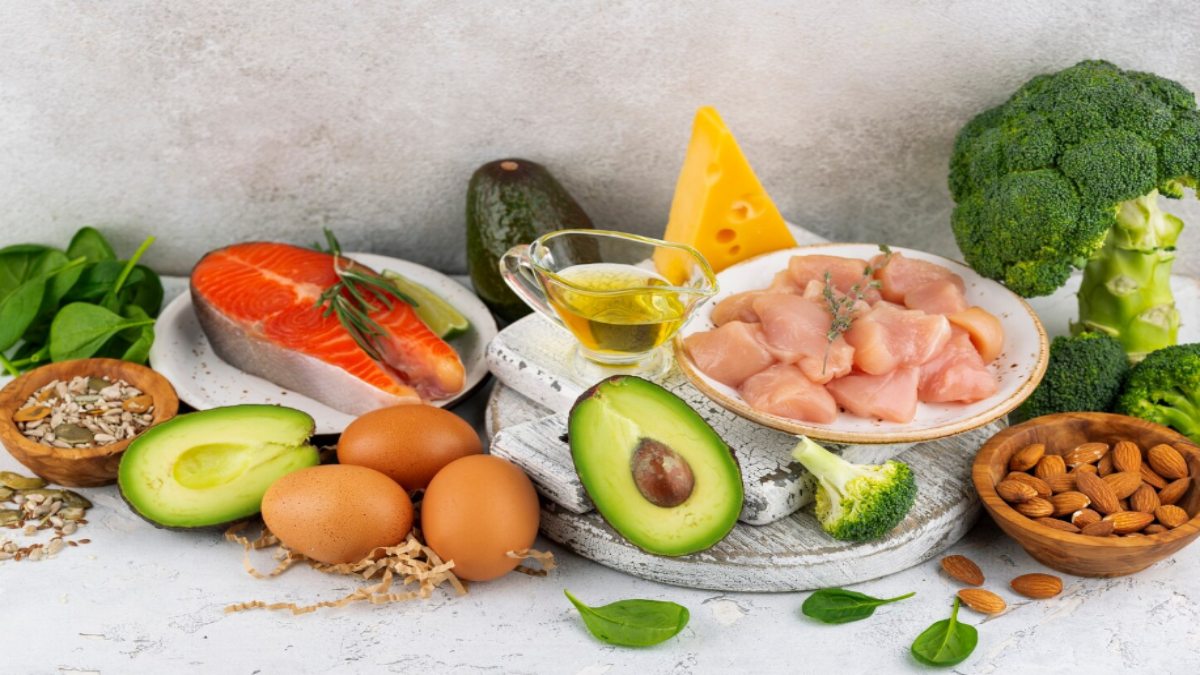
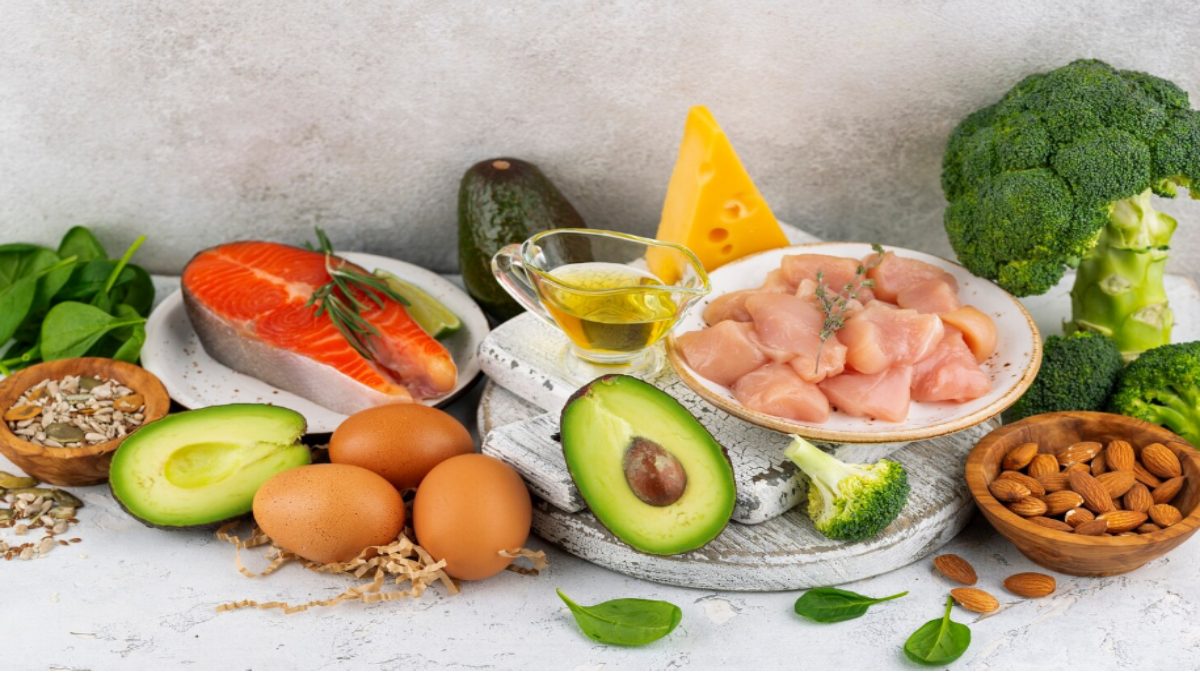
Eggs, dairy products, fish, poultry, lean meats, beans, lentils, soy foods, nuts and seeds can provide protein along with other important nutrients. Many of these foods can also be incorporated into balanced meals containing vegetables, fruits, whole grains and healthy fats.
For example, plain yogurt with fruit and nuts may offer protein, fiber and other nutrients without relying on a highly processed protein snack.
Be Careful With Health Claims
Words such as “natural,” “clean,” “fitness,” “smart,” or “healthy” can create a positive impression, but they do not provide the complete nutritional picture. The same applies to celebrity endorsements and social-media trends.
Instead of asking only, “How much protein does this contain?” consider asking, “What else am I getting with that protein?”
Protein-infused foods are not automatically unhealthy, nor are they automatically healthier than conventional foods. Their nutritional value depends on the entire product.
Reading the serving size, protein, added sugar, fiber, sodium, saturated fat and ingredient list can help consumers make informed choices. Most importantly, protein should be viewed as one part of an overall balanced diet rather than a reason to choose a particular packaged food.


Comments 0