
Protein is one of the essential nutrients for our body to function properly. Protein is among the three essential macronutrients which are needed to generate energy and support health. Protein is essential for the building and repair of tissues (e.g., enzymes and hormones), strengthening the immune system and the maintenance of healthy muscles, bones, skin and hair.
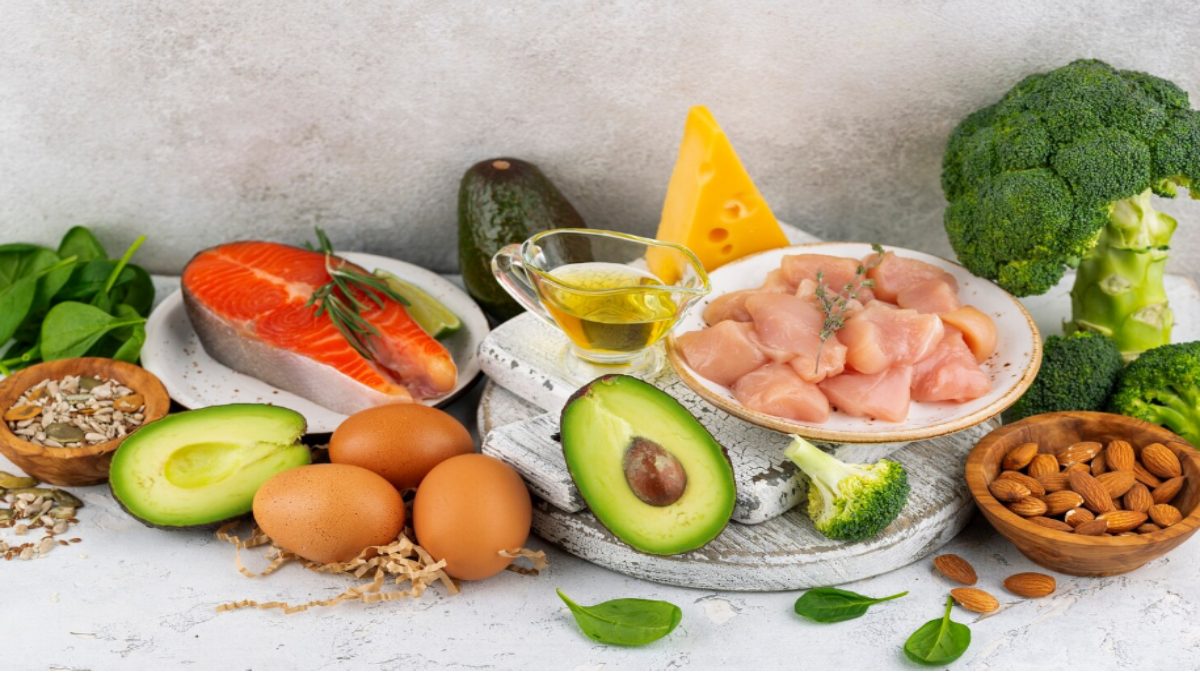
If you want to build muscle, be in a calorie deficit and lose weight, fight illness or eat healthy food every day, protein-rich foods should be part of your diet. There are proteins in many types of food (and in all different foods, so you can meet your nutritional needs through healthy meals).
Why Protein is important
Proteins are made up of amino acids which are called the building blocks of life. There are 20 amino acids and nine of them are essential, so the body cannot produce them on its own. These essential amino acids must be obtained through food.
Related Articles
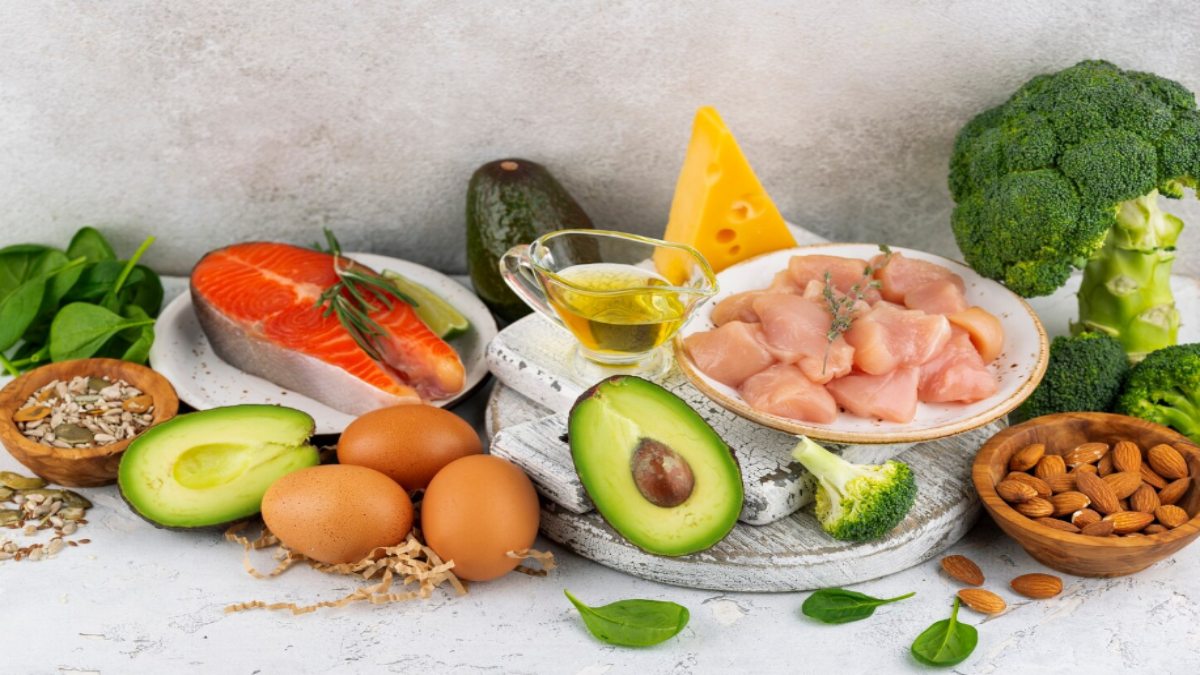

Protein plays a number of critical roles
- Building and repairing muscles and body tissues
- Supporting healthy growth and development of children and teenagers
- Producing enzymes and hormones that control body function
- Boosting the immune system to produce antibodies
- Maintaining healthy skin, hair, nails, and bones
- Helping the body recover after injury or surgery
- Promoting fullness after meals, which can assist in weight management
Without adequate protein, the body may be unable to repair tissues, keep muscle mass and perform many of the most important biological processes.
Animal-Based Protein Foods
Animal products are considered complete protein sources because they contain all nine essential amino acids.
Eggs
Eggs are some of the best quality protein items. They’re fortified with vitamins, minerals, healthy fats and antioxidants. Boiled, scrambled or poached eggs are great for breakfast or snack.
Related Articles


Chicken
Skinless chicken breast is a lean and versatile protein source. It can help to grow muscle and repair while being relatively low in saturated fat.
Fish
Fish like salmon, tuna, sardines and mackerel provide high-quality protein along with heart-healthy omega-3 fatty acids. Including fish in your diet at least twice a week can support cardiovascular health.
Lean Meat
Lean cuts of beef and pork have protein, iron, zinc, and vitamin B12. Eating lean meat and cooking it with healthy cooking techniques (grilling or baking) helps reduce fat.
Dairy Products
Milk, Greek yogurt, cottage cheese, and cheese are rich in protein and calcium. These foods support strong bones and muscle health.
Plant-Based Protein Foods
Plant-based proteins are great choices for vegetarians, vegans, and anyone who wants to diversify their diet.
Lentils
Lentils are loaded with protein, dietary fiber, iron and folate. They are commonly used in soups, curries and salads.
Chickpeas
Chickpeas are versatile legumes that can be roasted for snacks, put in salads or mixed up with hummus.
Beans
Kidney beans, black beans, pinto beans and navy beans provide protein along with fiber which is helpful for digestive health and helps control blood sugar levels.
Soy Products
Tofu, tempeh, soy milk, and edamame are among the few plant-based foods that contain complete protein. They are excellent alternatives to meat.
Quinoa
Quinoa is a nutrient-rich grain that contains all essential amino acids. It is also rich in magnesium, fiber, and antioxidants.
Nuts and Seeds
Almonds, walnuts, pistachios, peanuts, chia seeds, flaxseeds, pumpkin seeds, and sunflower seeds provide protein, healthy fats, vitamins, and minerals. When eaten in moderation, they make healthy snacks.
Daily Protein Needs
Protein requirements vary according to age, body weight, activity level and health condition. Healthy adults need about 0.8 grams of protein per kilogram of body weight per day, while athletes, pregnant women, breastfeeding mothers, and older adults may require more. Personalized advice for individuals is important and a healthcare professional or registered dietitian should be consulted.
Tips to Include More Protein in Your Diet
- Start your day with eggs, Greek yogurt, or a protein-rich smoothie
- Add lentils or beans to soups, salads, and curries
- Choose grilled chicken or fish for lunch or dinner
- Snack on nuts, seeds or roasted chickpeas
- Replace sugary snacks with protein-rich alternatives
- Include tofu or tempeh in vegetarian meals
- Spread your protein intake across all meals instead of eating it all at once
Protein is an essential nutrient that supports nearly every function in the human body. From building muscles and repairing tissues to strengthening immunity and promoting healthy aging, its benefits are numerous. Both animal-based and plant-based foods can provide high-quality protein, allowing people with different dietary preferences to meet their nutritional needs.


Comments 0