
Australia's beloved little penguins -- the smallest penguin species in the world -- are under siege from conservationists who fear avian influenza (bird flu) could wipe out up to 40% of some colonies in the event of spreading to all the colonies. Wildlife authorities and conservation groups are stepping up monitoring and strengthening biosecurity measures to secure these iconic seabirds from a potentially catastrophic outbreak.
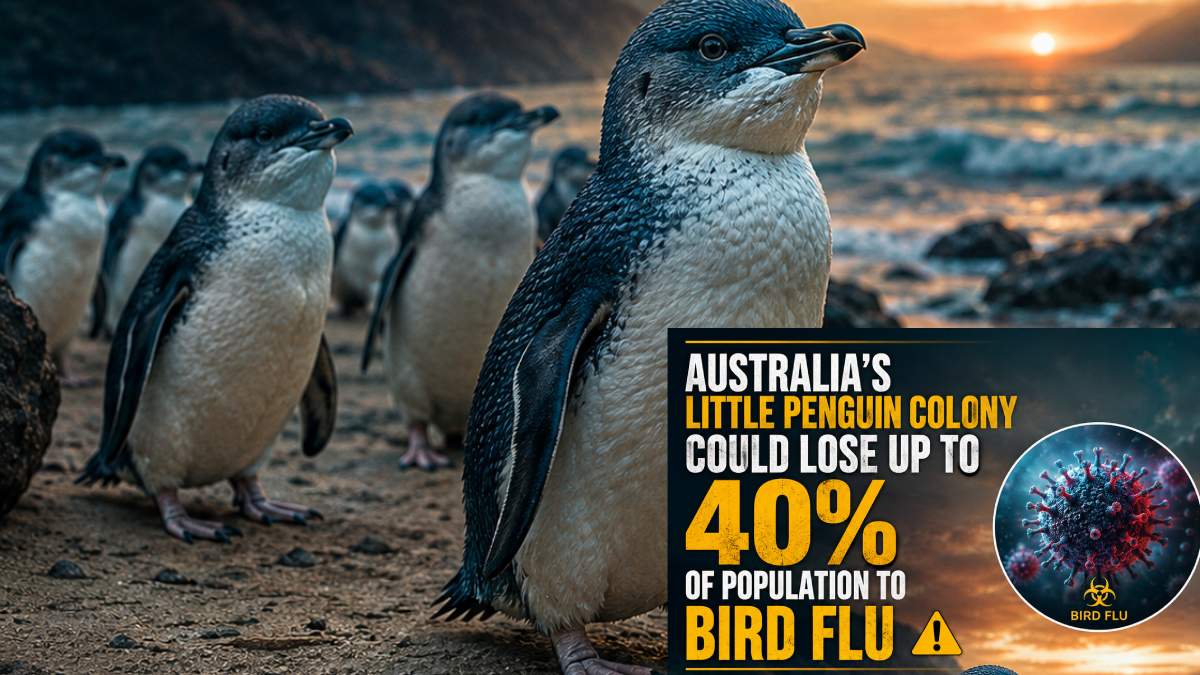
And the warning highlights the threat of highly pathogenic avian influenza (HPAI) to wildlife populations around the world, with seabirds among the most vulnerable species.
A major threat to Australia's smallest penguins
Related Articles


Little penguins (also known as fairy penguins) usually accompany Australia and New Zealand's southern coastlines. Small and light blue feathers and small size, these seabirds are the only ones that play a major role in coastal ecosystems and attract wildlife tourism destinations every year.
If bird flu gets to large breeding colonies, conservation experts say they worry that it would spread quickly in closely packed nesting groups, causing great mortality.
Why bird flu is a concern?
Related Articles


Highly pathogenic avian influenza is a contagious viral disease that mainly affects birds. In recent years, outbreaks have led to mass deaths among wild birds around Europe, North America, South America, and parts of Asia.
Scientists are concerned that penguin colonies may be particularly vulnerable because:
Birds gather in large breeding colonies. Close contact increases the risk of transmission. Young chicks may have weaker immune systems. If outbreaks develop, isolated colonies may lose population rapidly. Conservation measures are in place.
Australian wildlife authorities are closely monitoring penguin habitats and taking preventive measures to reduce the risk of infection.
Current efforts include:
Increased surveillance of wild bird populations. Biosecurity measures at protected habitats. Early surveillance of sick or dead birds. Restricting unnecessary human access to sensitive breeding areas. Public awareness campaigns to get people to report unusual bird deaths.
In addition, bird flu is now being studied in wild seabirds for future conservation strategies.
What will be the impact on penguin colonies?
We know that losing up to 40% of a colony could have long-term effects on very small penguin populations, for example.
Large population declines may:
Reduce breeding success. Slow population recovery. Disrupt local ecosystems. Impair wildlife tourism. Increase pressure on already vulnerable colonies.
Recovery may take many years in all cases if repeated outbreaks occur.
A growing global wildlife challenge
Bird flu is not just an agricultural disease for poultry anymore. Bird flu is spreading to so many wild bird species that conservation managers are confronted with a new set of challenges.
International conservation organisations are closely examining the virus for its impact on migratory birds and sensitive ecosystems on several continents.
Key Takeaway
Australia’s small penguin colonies are under attack from avian influenza and experts say widespread transmission of the disease could reduce some populations by as much as 40%. Wildlife authorities are stepping up monitoring and biosecurity work to protect these iconic seabirds and minimize the impact of any potential outbreak.
Conservationists say monitoring, scientific research, and rigorous biosecurity measures are needed to safeguard little penguins and one of Australia’s most cherished wildlife species for future generations.


Comments 0