
Walking barefoot for 15 minutes a day (especially on clean and safe natural surfaces like grass, sand or clean soil) has a whole range of health benefits and we should definitely investigate it. While "grounding" or "earthing"—the idea of making contact with the Earth in a very direct way—are often talked about in wellness communities, there are still some of the claims that are not supported by science.
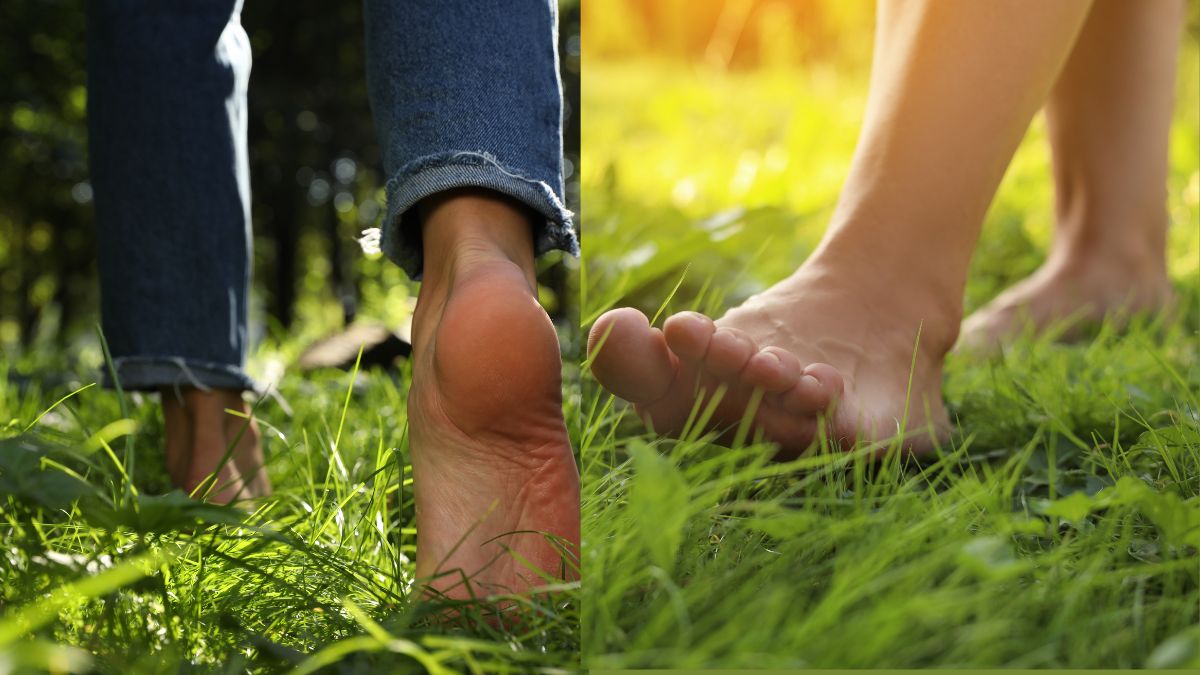
A major advantage of walking barefoot is the strengthening of the muscles, ligaments and tendons of your feet. When you don’t have shoes, your feet are encouraged to engage the small stabilizing muscles that may be dormant in footwear and would typically be left dormant. This type of exercise is a natural way to develop the foot muscles over time which not only increases balance and builds stronger and more flexible muscles, but also gradually increases flexibility. This increased strength and flexibility helps ensure that the movement is more efficient and less prone to injury during exercises.
Barefoot walking, in addition to strengthening the feet, can significantly increase balance and coordination. The nerve endings that are stimulated by the thousands of nerve endings that sit in the soles of your feet are the cause of this. When your brain receives a lot more sensory information, it has more information about the position of your body in space, which is crucial for maintaining balance. This is especially beneficial for older people, as better balance can help in reducing the risk of falls—a common and serious problem for them. Walking barefoot may also improve the stability of your feet and ankles and overall mobility, helping you move more freely and confidently.
Related Articles


Spending time barefoot outdoors is not only good for physical health but it is very good for mental health too. A walk on grass, sand or soft earth, where the air is fresh and nature is beautiful, can help to calm you down and relax you. Engaging with nature has been shown to relieve stress, improve mood and promote mindfulness. Yet we have to approach contact with the Earth critically, because there is no solid evidence that direct contact with the Earth has a positive impact on inflammation reduction or detoxification, so we need more high-quality research on this.
If you are going to try to incorporate barefoot walking into your daily life, take it one step at a time and keep it safe. Clean and safe places can be found where sharp objects, glass or hot pavement are not present. People with underlying health problems—diabetes, poor circulation, nerve damage or existing foot wounds—may be more prone to injury or infection and should consult a doctor first.
To sum it up, a short daily barefoot walk is a good way to strengthen foot muscles and to reconnect with natural movement patterns. If you are slowly introducing this practice to yourself, you will not only get the physical benefits but also the mental and emotional benefits of being in touch with the Earth. Walking on the soft grass in a park, the warm sand beneath your feet on a beach or stepping on clean soil in a garden can be both refreshing and revitalizing.




Comments 0