
Heart disease continues to be the most prevalent health issue and so it’s even more important to have heart healthy habits. Nutrition is a key to heart health and the health of the heart is a function of physical activity, sleep, and stress management; we have to care for our heart and how healthy we are. Healthy heart function, and well-being in general, is based on fiber, healthy fats, antioxidants, vitamins, and minerals.
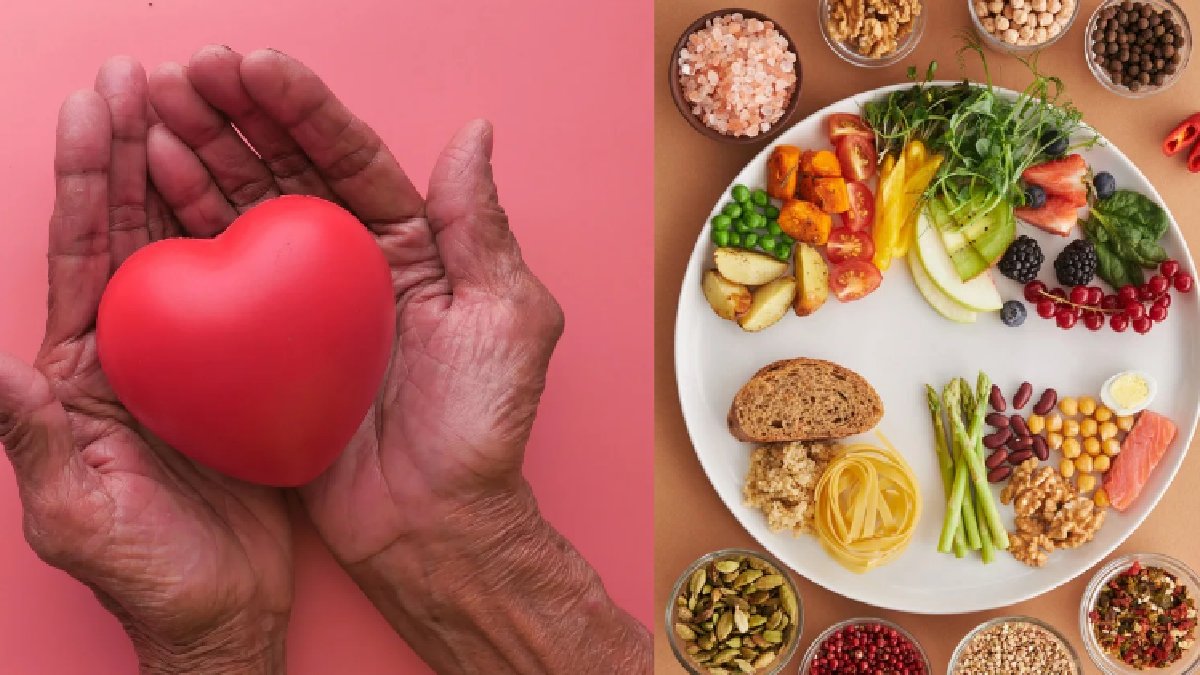
A heart-healthy diet does not require superfoods or restrictive eating plans. It is about eating healthy but not processed meals with food that is not overrated and all in whole and low sodium, sugar, and unhealthy fats. What are the foods one must eat every day to be heart healthy?
1. Leafy Green Vegetables
Leafy greens such as spinach, kale, collard greens, and Swiss chard are packed with nutrients that support overall cardiovascular health. Vitamin K, folate, and dietary nitrates are rich in these nutrients and support healthy blood vessel function.
Related Articles


These vegetables are also high in fiber and low in calories so they provide an added value in a balanced diet. Add them to salads, soups, smoothies, or stir-fries for a boost in nutrition.
2. Fatty Fish
Salmon, sardines, trout, tuna, and mackerel are great sources of omega-3 fatty acids. These healthy fats are associated with normal heart function and are at the heart of many heart conscious eating habits.
Fish at least twice a week is recommended to eat at least twice a week in a balanced diet, and most people do.
Related Articles


3. Oats and Whole Grains
Oats, brown rice, quinoa, barley, and whole wheat have dietary fiber soluble fiber in particular and this contributes to healthy cholesterol levels that are already within normal ranges.
What is a great way to promote heart health is to eat oatmeal with fresh fruit and nuts; eat a bowl of oatmeal with fresh fruit and nuts in the morning. Starting your day with oatmeal is a natural way to help your heart health.
4. Berries
Reducing oxidative stress is the main reason for the importance of anthocyanins in blueberries, strawberries, raspberries, and blackberries.
Berries also provide fiber and Vitamin C which makes them an excellent snack or breakfast option.
5. Nuts and Seeds
Almonds, walnuts, pistachios, flaxseeds, chia seeds, pumpkin seeds, and sunflower seeds are healthy unsaturated fats, plant protein, fiber, and essential minerals.
Walnuts and flaxseeds are particularly rich in omega-3 fatty acids. Because nuts are calorie-dense, enjoy them in moderate portions.
6. Avocados
Avocados have heart-friendly monounsaturated fats and potassium, fiber, and a few vitamins. Replacing high saturated fat foods with avocado can be a very healthy diet.
In addition to salads, sandwiches, wraps, or smoothies, add avocado for extra nutrition.
7. Beans and Lentils
Beans, lentils, chickpeas, and peas are plant protein sources, which is a good choice. Fiber, iron, magnesium, potassium, and protein content are abundant in these sources and are naturally low in saturated fat.
Replacing some meat-based meals with legumes can improve diet quality.
8. Tomatoes
Tomatoes are rich in lycopene, an antioxidant that protects cells from free radical damage. They also have Vitamin C and potassium.
Tomato soup and tomato based sauces are healthy options when made with fresh tomatoes and very little added salt.
9. Fruits Rich in Potassium
Bananas, oranges, kiwis, apricots, and melons provide potassium, an important mineral involved in normal muscle and nerve function. Eating a variety of fruits also increases your intake of fiber and antioxidants.
10. Olive Oil
Extra virgin olive oil is a key component of the Mediterranean diet. It contains healthy monounsaturated fats and plant compounds that promote healthy eating and is healthier than butter and highly processed cooking oil.
Use olive oil in salad dressings, roasted vegetables, or light sautéing.
11. Dark Chocolate
Dark chocolate with at least 70% cocoa contains flavonoids that have been studied for their possible role in cardiovascular health. Chocolate may contain sugar and calories, so enjoy it in moderation.
12. Garlic
Garlic adds flavor to meals without increasing sodium. It has long been part of the diet and is used in soups, curries, marinades, roasted vegetables, and sauces.
13. Yogurt
Plain, unsweetened yogurt has calcium, protein, and probiotics for overall digestive health. Pair yogurt with berries and oats for a heart-friendly breakfast or snack.
14. Green Tea
Green tea has natural compounds called catechins, which are antioxidants. Replacing sugary beverages with unsweetened green tea can be a healthy choice as part of a balanced diet.
Foods to Limit
With heart healthy eating, it’s not just about healthy foods but also about limiting foods that can cause cardiovascular harm in excess.
Reduce your intake of:
- Sugary drinks
- Processed meats
- Deep-fried foods
- Packaged snacks high in sodium
- Foods with trans fats
- Excess saturated fats
- Refined carbohydrates
- Highly processed desserts
Choosing fresh ingredients whenever possible supports better overall nutrition.
Additional Lifestyle Tips for Heart Health.
Healthy eating is best done in conjunction with positive lifestyle habits.
- Exercise for at least 150 minutes per week
- Maintain a healthy weight
- Get 7–9 hours of quality sleep a night
- Stay hydrated throughout the day
- Avoid smoking and limit alcohol consumption
- Practice stress management through meditation, yoga, or deep breathing
- Schedule regular medical checkups and monitor blood pressure, cholesterol, and blood sugar as advised by your healthcare provider
A healthy heart begins with smart food choices. Including leafy greens, whole grains, berries, fatty fish, beans, nuts, seeds, avocados, tomatoes, olive oil, yogurt, and fresh fruits in your daily meals provides essential nutrients that support cardiovascular wellness. At the same time, limiting processed foods, excess sodium, added sugars, and unhealthy fats helps create a balanced eating pattern that benefits your heart and overall health.
No single food can guarantee a healthy heart, but consistently following a nutritious diet combined with regular physical activity, adequate sleep, stress management, and routine healthcare can significantly improve your long-term well-being. Small, sustainable dietary changes made today can lead to lasting benefits for your heart and help you enjoy a healthier, more active life for years to come.


Comments 0