
Have you ever found yourself reaching for a chocolate bar in the middle of the afternoon or craving a packet of salty chips late at night? Food cravings are incredibly common and can be triggered by a variety of factors, including hunger, emotions, habits, lack of sleep, stress, or simply the sight and smell of tempting foods.

While it's easy to assume that every craving signals a specific nutrient deficiency, nutrition experts explain that cravings are often more complex. In many cases, your body may simply be responding to changes in blood sugar levels, dehydration, fatigue, or emotional stress rather than a true lack of a particular nutrient.
Understanding what might be behind your cravings and choosing healthier alternatives can help you enjoy your favorite flavors while supporting your overall health.
Related Articles

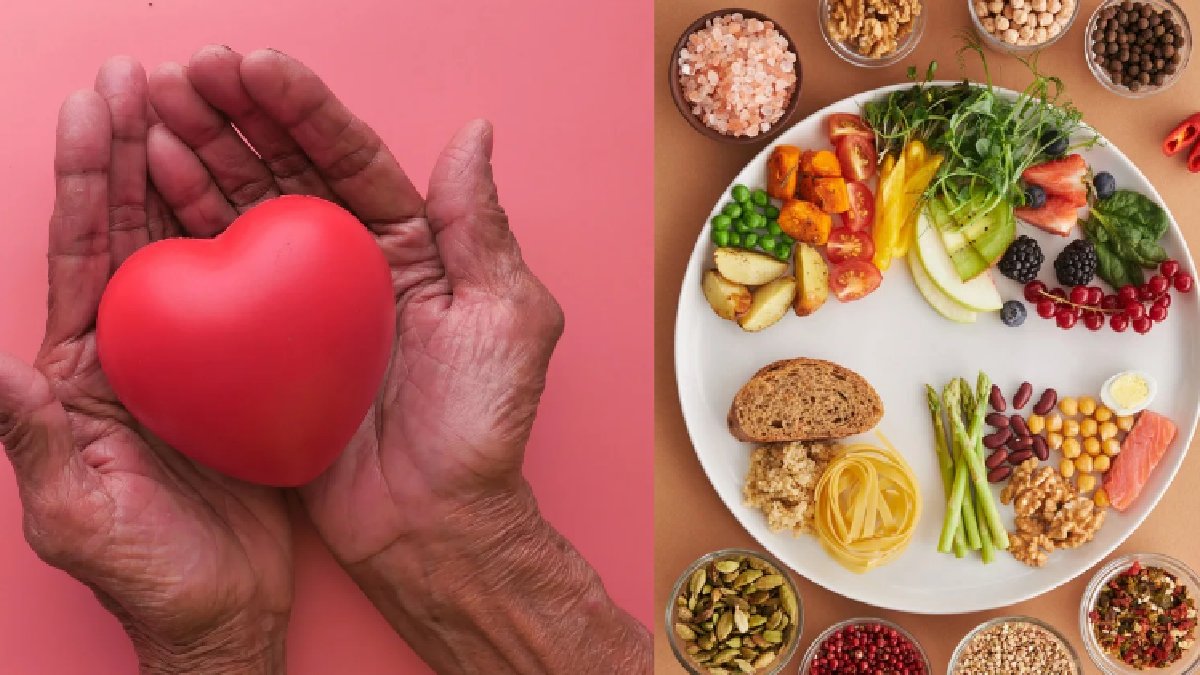
Why Do We Experience Food Cravings
Food cravings arise from a combination of physical, psychological, and environmental factors.
Common reasons include:
- Skipping meals
- Irregular eating patterns
- Stress or anxiety
- Lack of sleep
- Hormonal changes
- Dehydration
- Habit or routine
- Easy access to highly processed foods
Identifying the trigger behind a craving is the first step toward managing it more effectively.
Related Articles


Craving Chocolate? Here's What Could Be Happening
Chocolate cravings are among the most frequently reported food cravings. Many people assume they are caused by a magnesium deficiency, but scientific evidence supporting this idea is limited.
A craving for chocolate may instead be related to:
- Emotional comfort
- Habit
- Hunger
- Desire for something sweet
- The enjoyable combination of sugar and fat
Healthier Swaps
Instead of eating large amounts of chocolate, consider:
- A small piece of dark chocolate (70% cocoa or higher)
- Greek yogurt with cocoa powder and berries
- Fresh fruit with a spoonful of nut butter
- Unsweetened cocoa added to a smoothie
These options can satisfy your sweet tooth while providing additional nutrients.
Craving Salty Chips
A craving for chips often reflects a desire for crunchy, salty textures rather than a true need for salt.
Occasionally, excessive sweating or intense physical activity can increase sodium needs, but for most people, everyday diets already provide sufficient sodium.
Better Alternatives
Try:
- Air-popped popcorn
- Roasted chickpeas
- Unsalted or lightly salted nuts
- Roasted edamame
- Baked vegetable chips
These snacks offer fiber, protein, or healthy fats that help keep you satisfied for longer.
Craving Sugary Foods
Sugar cravings often occur when blood sugar levels fluctuate due to skipping meals or eating highly refined carbohydrates.
Poor sleep and chronic stress can also increase the desire for sugary foods.
Smart Swaps
Choose naturally sweet foods such as:
- Fresh fruit
- Dates with a small amount of peanut butter
- Plain yogurt topped with fruit
- Homemade chia pudding
- Frozen banana slices
Pairing carbohydrates with protein or healthy fats can help you feel fuller and reduce the likelihood of another craving shortly afterward.
Could You Simply Be Thirsty
Sometimes thirst can be mistaken for hunger or food cravings.
Before reaching for a snack, try drinking a glass of water and waiting 15–20 minutes. If the craving fades, dehydration may have been contributing.
Staying hydrated throughout the day supports overall health and may help reduce unnecessary snacking.
The Role of Sleep and Stress
Sleep deprivation and chronic stress can significantly affect appetite-regulating hormones.
Poor sleep may:
- Increase hunger
- Intensify sugar cravings
- Reduce self-control around food
- Encourage overeating
Similarly, stress may lead to emotional eating as people seek comfort in high-calorie foods.
Managing stress through exercise, meditation, deep breathing, or enjoyable hobbies can help reduce stress-related cravings.
Build Balanced Meals
One of the best ways to prevent frequent cravings is to eat balanced meals.
Aim to include:
- Lean protein
- Whole grains
- Fruits and vegetables
- Healthy fats
- Fiber-rich foods
Balanced meals help maintain more stable blood sugar levels, reducing the urge to snack excessively.
Mindful Eating Can Help
Instead of eating automatically, pause and ask yourself:
- Am I physically hungry?
- Am I bored or stressed?
- When did I last eat?
- What am I really craving?
Eating slowly and paying attention to hunger and fullness cues can help you enjoy food without overeating.
Is It Okay to Enjoy Treats?
Absolutely. Completely avoiding favorite foods can sometimes make cravings even stronger.
A balanced approach allows room for occasional treats while emphasizing nutritious foods most of the time. Enjoying a small portion of chocolate or chips occasionally can fit into a healthy eating pattern without guilt.
The goal isn't perfection it's consistency and moderation.
When to Seek Professional Advice
If cravings are frequent, intense, or accompanied by symptoms such as unexplained weight changes, persistent fatigue, or concerns about your eating habits, it's worth consulting a healthcare professional or registered dietitian.
They can help assess whether an underlying medical condition, nutritional imbalance, or behavioral pattern may be contributing.
Cravings for chocolate, chips, or sugary foods don't always mean your body lacks a specific nutrient. More often, they are influenced by hunger, stress, emotions, sleep, habits, or blood sugar fluctuations. Rather than ignoring cravings or giving in to them every time, understanding what may be driving them allows you to make more mindful choices.


Comments 0