
A blood pressure reading of 157/104 mmHg for someone on a home monitor is alarming. A high reading does not necessarily indicate hypertension, but a number at this level should not be ignored.
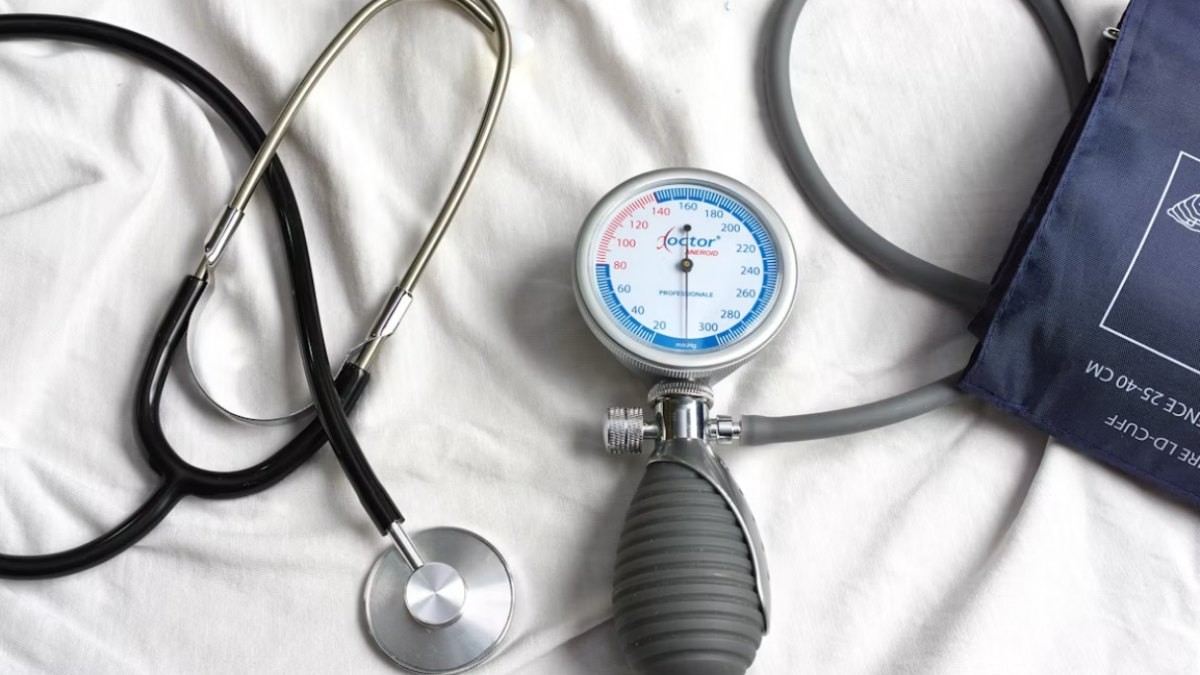
Dr Aarti Ullal, physician and diabetologist at Gleneagles Hospital Parel, said the 157/104 mmHg reading is high because systolic and diastolic numbers are above the healthy range. The Indian Express report was based on a question posted online about whether such a reading is okay.
Blood pressure fluctuates throughout the day because stress, pain, recent exercise, caffeine, smoking, or a wrong measurement technique can temporarily push it up. So the next thing to do after a high reading is to measure it again correctly and not say that one reading is normal blood pressure at a time.
Related Articles

What does 157/104 mean?
Blood pressure is recorded with two numbers. The first (systolic) pressure is the pressure of the arteries when the heart contracts. The second (diastolic) pressure is the pressure when the heart relaxes between beats.
A reading of 157/104 indicates systolic pressure is 157 mmHg and diastolic pressure is 104 mmHg.
A systolic reading of 140 mmHg or higher or a diastolic reading of 90 mmHg or higher falls in stage 2 hypertension, as the American Heart Association has said. But a diagnosis is not usually made from a single reading.
Related Articles


The Indian Express report also says repeated readings at this level can indicate hypertension and, over time, increase the risk of problems involving the heart, kidneys, brain and blood vessels.
That does not mean that someone who gets 157/104 once will have chronic hypertension. Blood pressure needs to be measured over time and in the context of a person’s general health.
What should you do after a 157/104 reading?
As soon as the measurement is taken, it’s all right to be calm and take the measurement again.
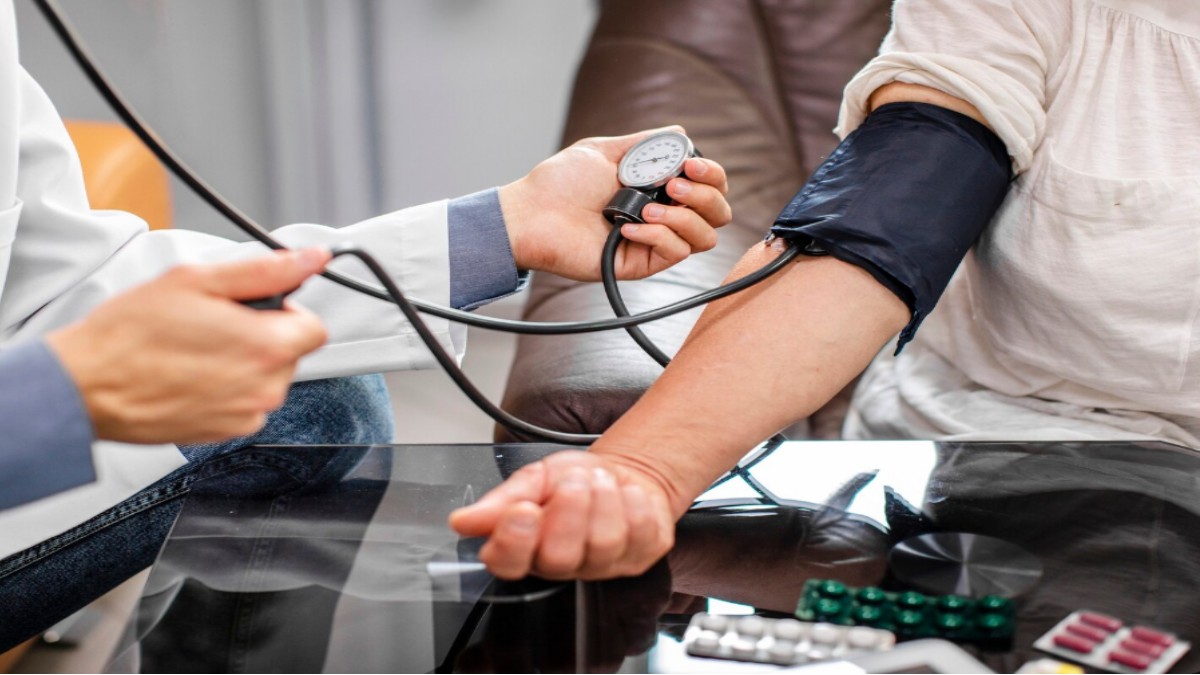
Let yourself rest for a couple of minutes before taking another reading. Keep your back supported and your feet flat on the floor. The arm should be held at heart level, and the cuff should be right on the bare upper arm.
It should also be avoided to talk or move while measuring.
An accurate upper arm monitor with the correct cuff size should be used if possible. Recent home BP measurements also suggest that we avoid exercise, smoking, and caffeinated drinks for about 30 minutes before checking blood pressure.
If the second reading is much lower, that does not mean that the first reading was meaningless. Temporary factors may have caused the first rise.
But if readings still stay around 157/104, even if this is unusual for the person, medical advice should be sought. The Indian Express report suggests calling a doctor rather than trying to lower blood pressure independently.
In addition, keeping a record of readings at different times could also help a doctor know if the elevation is persistent.
When does high blood pressure become an emergency?
A reading of 157/104 is high, but it is below the commonly used threshold of 180/120 mmHg for severe hypertension.
The American Heart Association says if blood pressure is above 180/120, a measurement should be repeated after about one minute. If it remains that high, medical attention should be sought, it says.
More importantly, very high blood pressure accompanied by worrying symptoms needs urgent medical care.
These symptoms can include:
Chest pain
Severe breathlessness
Severe headache
Confusion
Weakness or numbness, especially on one side
Difficulty speaking
Sudden changes in vision
Loss of consciousness
If such symptoms occur, emergency medical care should be sought rather than waiting for the blood pressure to come down on its own.
Why does blood pressure rise for a short time?
A person’s blood pressure is not fixed all day. It changes from day to day because of physical activity, emotions, sleep, food, medication and other circumstances.
Stress and anxiety can temporarily lead to high blood pressure. This kind of measurement error can also be due to caffeine, smoking, pain and recent exercise.
A wrong cuff size is one such problem. Talking or moving during the measurement can also affect the result.
This is why doctors tend to be more concerned with a pattern of readings instead of one single number being a diagnosis and therefore not treating one number as a diagnosis.
As soon as the person takes BP at home, taking repeated readings in similar circumstances will give a better picture of their blood pressure. A recent Indian Express explainer explained a seven-day, twice-daily approach to BP measurement with two readings each time as a way to identify a person’s BP pattern.
Could 157/104 cause long-term problems?
If blood pressure is high for a long time, blood vessels and major organs may be further affected.
Uncontrolled hypertension is linked to heart disease, stroke, kidney disease, and other serious complications over time. The risk is also tied to how long high blood pressure remains in a person’s blood and other factors like diabetes, cholesterol, smoking and already existing heart or kidney disease.
That is why repeated readings in the 150s over 100 should not be dismissed simply because the person feels normal. There are many symptoms of high blood pressure that don’t show up immediately.
At the same time, one reading should not be a cause of panic. The more practical thing is to repeat the measurement, record the result and seek medical help if the readings are still high.
The Bottom Line
A blood pressure reading of 157/104 mmHg is not normal. It falls in the Stage 2 hypertension range under American Heart Association categories, but one reading alone does not establish a diagnosis.
If you do get this reading, take a period of five minutes and check it again with the correct technique. If it is still the same, or you have been recording readings in this range frequently, seek a healthcare professional’s attention.
If blood pressure is 180/120 mmHg or higher, repeat the reading and seek prompt medical care if it remains elevated. If very high BP occurs along with symptoms such as chest pain, breathlessness, weakness, confusion, vision changes or difficulty speaking, seek emergency medical care.
The point is not to be afraid of one number, but to listen to a trend of high readings. It is better to measure and keep up with the health care and not to try to interpret a single BP reading in isolation.


Comments 0