
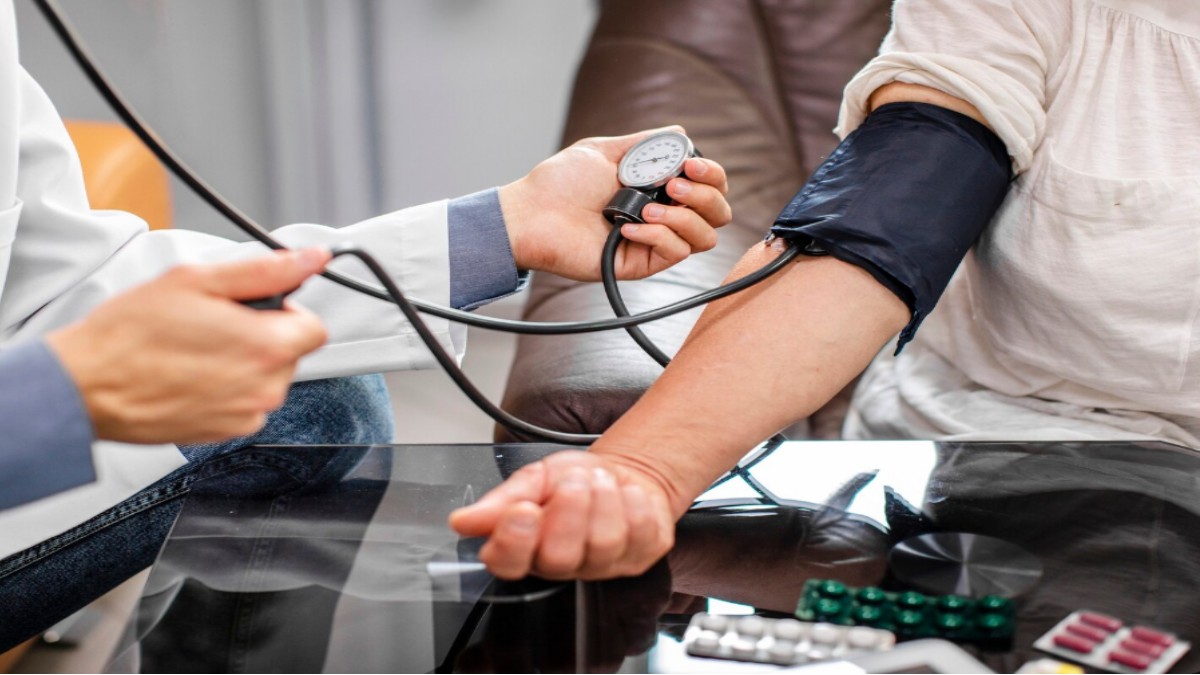
High blood pressure, also known as hypertension, is a common health condition that can develop without obvious symptoms. Because uncontrolled high blood pressure can increase the risk of serious cardiovascular problems, managing it is an important part of long-term health. Alongside a balanced diet, healthy weight, adequate sleep, stress management and prescribed treatment, regular physical activity can play an important role in supporting healthier blood pressure levels.
One exercise that has attracted attention for its potential benefits is the wall sit. This simple exercise requires little space or equipment and involves holding the body in a seated position against a wall. Wall sits are an example of an isometric exercise, in which muscles contract and remain under tension without significant movement of the joints.
Research into exercise and blood pressure has found that isometric exercises can be useful for improving blood pressure in some adults. However, this does not mean that a wall sit is a replacement for medication or medical care. People with hypertension should consider exercise as one component of an overall management plan.
Related Articles

To perform a basic wall sit, stand with your back against a sturdy wall and place your feet comfortably in front of you. Slowly bend your knees while sliding your back down the wall, aiming for a position that resembles sitting in an invisible chair. Keep your back supported by the wall and maintain controlled breathing. Beginners can hold the position for a shorter period and gradually build their tolerance. Anyone experiencing pain, dizziness or unusual symptoms should stop exercising and seek appropriate medical advice.
The potential benefit of isometric exercise may relate to how the cardiovascular system responds to regular muscle contractions. Consistent physical activity can improve cardiovascular fitness and may help blood vessels function more effectively. Isometric exercises may also be convenient for people who find traditional aerobic workouts difficult or time-consuming.
However, the wall sit is not the only form of exercise that can support cardiovascular health. Walking, cycling, swimming, dancing and other moderate-intensity activities can contribute to overall fitness. Strength training can also be useful when performed safely and appropriately. Combining different types of physical activity may make it easier to create a sustainable exercise routine.
Related Articles


For people with high blood pressure, starting gradually is particularly important. Someone who has been inactive should not immediately attempt prolonged or intense exercise. A healthcare professional can help determine which activities are appropriate based on an individual's blood pressure levels, medications, age, fitness level and other health conditions.
Lifestyle habits also have a major influence on blood pressure. Reducing excessive sodium intake, eating more fruits and vegetables, maintaining a healthy weight, limiting alcohol, avoiding tobacco and getting adequate sleep can all support cardiovascular health. Stress-management techniques such as breathing exercises, meditation and yoga may also complement a healthy lifestyle.
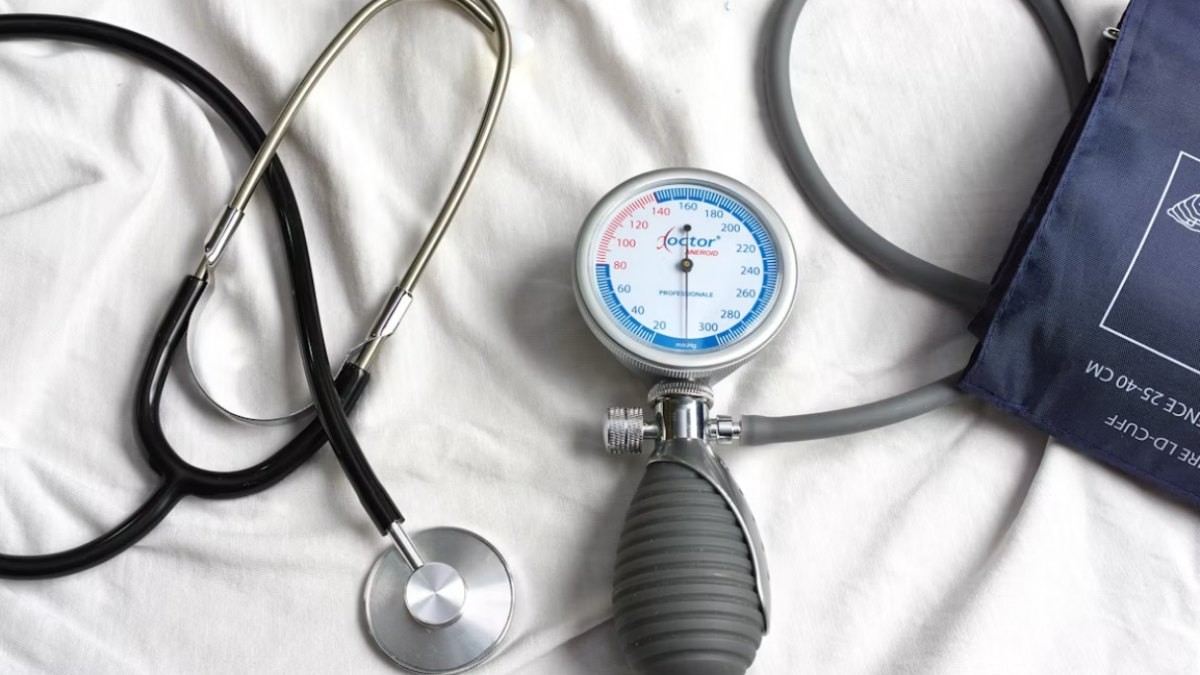
It is important to remember that high blood pressure often does not cause noticeable symptoms. Feeling well does not necessarily mean that blood pressure is under control. Regular blood pressure checks can help identify whether lifestyle changes and treatment are working effectively. People who have been prescribed blood pressure medication should continue taking it as directed and should not discontinue treatment simply because they begin exercising.
Exercise intensity also matters. During physical activity, blood pressure temporarily rises because the heart is working harder. This is a normal response, but people with cardiovascular conditions or poorly controlled hypertension may need specific exercise guidance. A healthcare professional can provide recommendations tailored to individual circumstances.
The wall sit is appealing because it is simple, accessible and requires no expensive equipment. It can be incorporated into a home workout or used alongside walking and other forms of exercise. Nevertheless, its potential effects should be viewed realistically. No single exercise can guarantee lower blood pressure, and results can vary from person to person.
Ultimately, managing high blood pressure requires a long-term approach. A simple wall exercise may be a useful addition to a broader fitness routine, particularly when combined with other healthy habits and appropriate medical care. Before beginning a new exercise program, especially if you have hypertension or another medical condition, discuss your plans with a qualified healthcare professional.
Important: This article is for general information and does not replace professional medical advice. If you have high blood pressure, consult your doctor about the safest exercise routine and continue any prescribed treatment unless your healthcare provider advises otherwise.


Comments 0