
Your eyes may sometimes signal to you that something has to be done before you are able to see a big change in your vision. Blurry vision, frequent headaches, squinting and tired eyes could seem to be ordinary things if you look at phones or computers long hours a day (and so on), but persistent symptoms can't always be ignored.
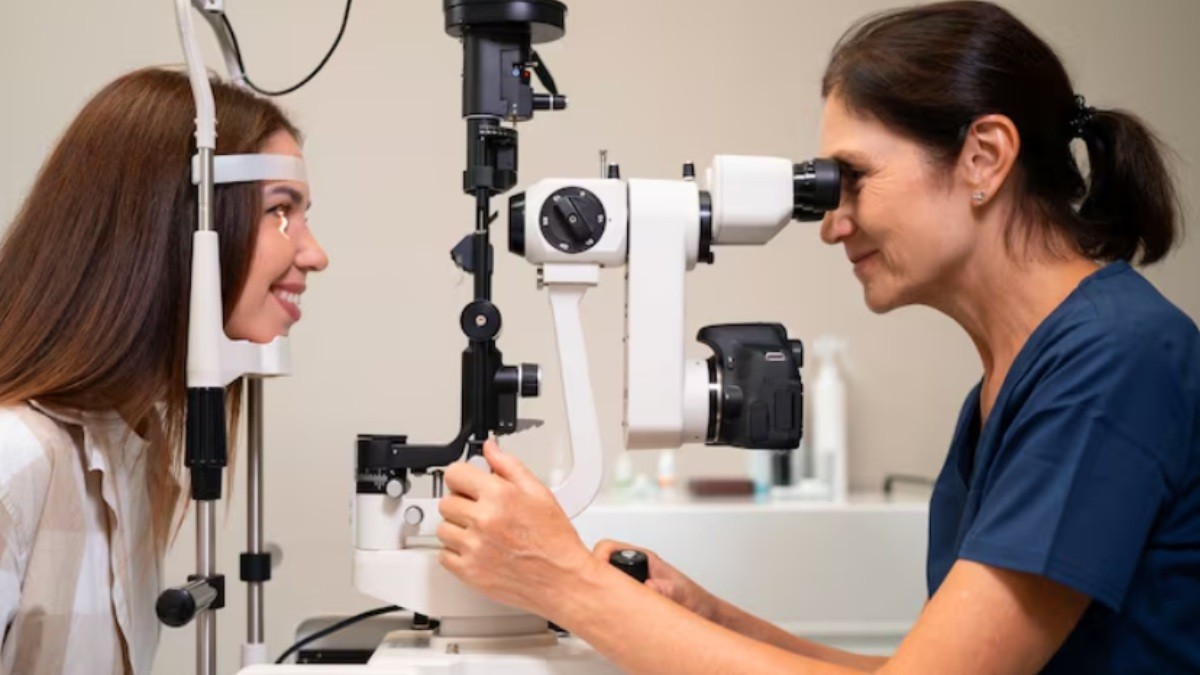
An eye check-up can flag vision problems and other eye conditions early. What are the signs that maybe it’s time to call in an eye-care professional?
1. Blurry or Unclear Vision
Blurry vision is one of the most obvious signs that your eyes may need attention. You may find that small text seems difficult to read, distant objects are hard to see or you can’t focus on things near you.
Related Articles


Sometimes blurry vision is caused by a change in your glasses or contact lens prescription. But more likely to be seen in your eyes or contact lens prescription is not to be ignored.
2. Frequent Headaches
Regular headaches, particularly after reading, working on a computer or using a smartphone for a long time may sometimes be related to vision problems.
When your eyes can’t focus properly, you’re starting to unconsciously strain them. This can be painful around the forehead, temples or eyes. An eye exam for headaches may be taken to determine if your vision is causing the problem.
Related Articles


3. Constant Eye Strain or Tired Eyes
Do your eyes feel tired after you have been working hard all day and your eyes feel heavy or uncomfortable after that? Longer screen time, too little breaks, bad lighting and focus problems at night are all causes of eye strain.
If eye discomfort continues even after taking regular breaks, it may be worth getting your vision checked.
4. Frequent Squinting
Squinting is an unconscious impulse to see better. If reading, watching television or looking at distant objects are things that are really close to your eyes, your vision may need assessment.
Children may also squint when they are struggling to see clearly, so parents should pay attention to repeated changes in visual behaviour.
5. Watery, Dry or Irritated Eyes
Watery eyes do not always mean your eyes are well hydrated. Dryness and irritation can sometimes cause the eyes to produce excess tears.
Burning, itching, redness or a gritty sensation can also occur with dry eyes or other eye-related problems. Persistent symptoms deserve professional attention.
6. Difficulty Seeing at Night
A difficulty to see clearly in dim lighting or driving at night can be another reason to schedule an eye examination. Issues of glare, halos around lights or night vision could be discussed with an eye-care professional.
7. Regular Changes in Vision
If your glasses or contact lenses no longer appear to provide clear vision, your prescription may have changed. Your corrective lenses are made to ensure that they are suitable for your eyes.
When Should You Get an Eye Check-Up?
Don’t wait until your vision gets worse before you have your eyes examined. Eye examinations can be used to detect refractive errors and other eye problems even if symptoms are mild.
But sudden vision loss, severe eye pain, sudden flashes or a sudden increase in floaters should be treated with great urgency.
Takeaway
Your eyes are very much a part of your daily life, and tiny alterations to your eyes are not just tiredness, but small things that are often dismissed as tiredness and they are not always something you just do. Blurry vision, headaches, squinting, eye strain, watery eyes and trouble seeing at night can be reasons to expect an eye check-up. Early professional advice can help identify problems and protect your eye health.


Comments 0