
Protein is a major nutritional resource and is integral to the growth, maintenance and repair of health. Protein is present in so many foods; eggs, milk, curd, pulses, beans, lentils, soy products, nuts, seeds, fish, chicken and so on.
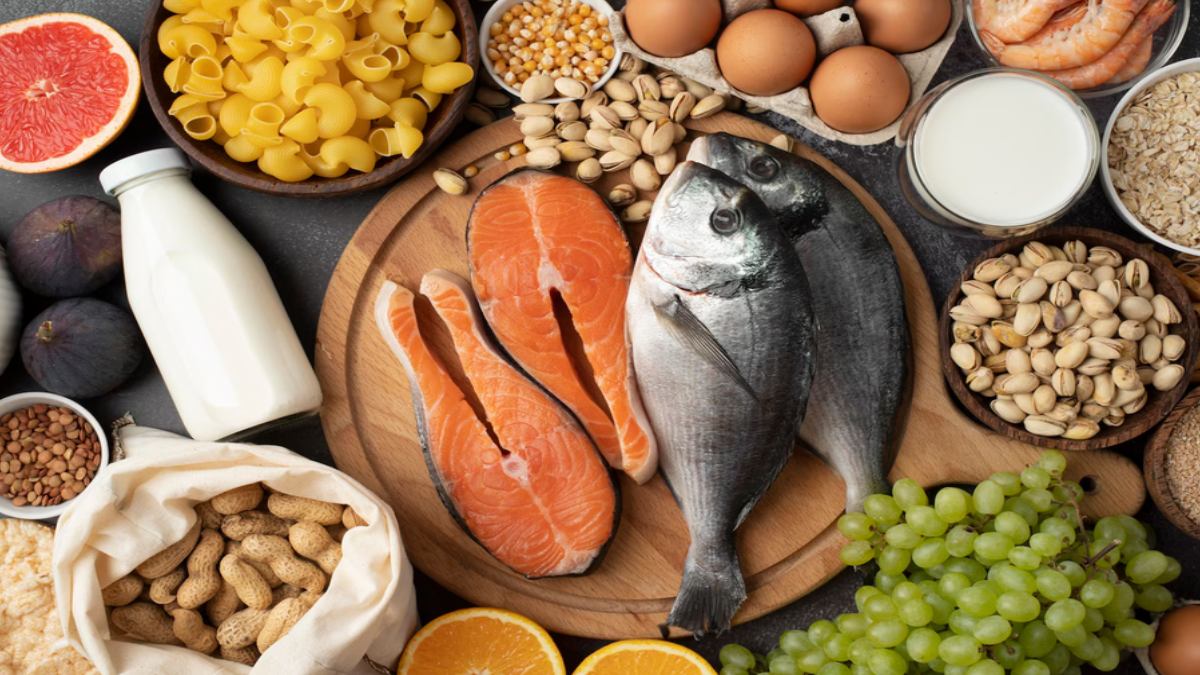
People tend to focus on how much protein they consume daily, but are so often told breakfast is better than dinner or the timing is less important than protein throughout the day?
For most people, there’s no single “perfect” time to eat protein. But it’s not so much where protein is the most appropriate amount as it is that you eat a balanced diet and your food intake is spread out over the day. Eating breakfast can be great because many people eat less protein at breakfast. Protein-rich foods in your first meal will help you be more nutritionally balanced and provide a lot of nutrients at the start of the day.
Related Articles


A protein-rich breakfast might include eggs, milk, curd, paneer, dal-based meals, sprouts, beans or soy-based foods. Vegetarians may use pulses, dairy products, soy and whole grains, while non-vegetarians could take eggs or other protein-rich foods. The aim is not to have a sprawling breakfast but to have protein to go along with the most balanced meal.
Protein at lunch and dinner is equally important. Rather than trying to absorb most of the day’s protein in one meal, using protein-rich foods to distribute meals can be a practical way for a person to do so. For example, pulses or dairy at breakfast, dal or beans at lunch, and protein-rich food at dinner. In this way, one can meet nutritional needs in general without needing to eat one meal.
Protein at dinner is often misunderstood. Some people think protein later in the day is bad or will cause you to gain weight. But food quality is far more important than whether protein is served at dinner. A balanced meal of protein, vegetables or other nutrient-rich food and appropriate carbohydrates is a healthy eating strategy.
Related Articles


The protein source is also relevant and it is different for different foods. Protein is not only supplied by supplements but also by everyday food and some foods have protein and other nutrients. Lentils and beans, for instance, provide protein and fibre and dairy foods may have protein and calcium. Eggs have protein and other nutrients and soy foods are good options for people who prefer plant-based sources.
Another important issue is one’s individual routine. Someone who regularly skips breakfast may find it easier to eat protein at lunch or dinner instead of eating a big breakfast. And one who is on a busy evening schedule may prefer to eat a bigger meal of protein earlier in the day. Healthy eating habits need to be practical enough to follow.
In particular, the nutritional needs for students and teenagers in general should be regular, balanced meals, not strict food restrictions. In the growing years, the body has to have enough energy and a lot of nutrients. Protein is just one part of that picture, along with carbohydrates, fats, vitamins, minerals, fibre and fluids. Instead of just one single nutrient, meals should be a combination of food.
But breakfast should still be an opportunity to improve the nutritional value of the day’s food. Many of the most common breakfast foods are refined carbohydrates or sugar-laden ones and are very lean. A protein-rich diet (with fruits, vegetables or whole grains) as well as healthy food in place can make for a more balanced breakfast. A breakfast could be idli with sambar, vegetable poha with curd, eggs with whole grain toast, or a bowl containing curd, fruit and nuts.
Dinner can also give the chance for protein without making the meal too complicated to have. Dal with vegetables and rice or roti, paneer with vegetables, beans with whole grains or any protein-rich meal can be part of a balanced diet. The appropriate choices are based on dietary preferences, culture, and nutritional requirements.
Protein timing should not become an unnecessary stress. People can get some fitness advice online that protein must be consumed at a very specific hour to achieve a particular outcome. For most people, such rigid rules are unnecessary. Consistency, a variety of diets, and good general nutrition are more important.
People who work out or participate in structured physical activity may have different nutritional requirements, especially in the context of a long period of intensive training. In these cases, meal timing and protein distribution must be discussed with a qualified dietitian or sports nutritionist who can consider the person’s age, activity level and overall diet.
Protein supplements are not essential. Most people can get protein from the same diet they follow when it’s an average diet that’s diverse and also sufficient. In some cases, supplements may be helpful under a professional’s advice, but they shouldn’t substitute a balanced diet or become the primary focus of nutrition.
It is not really an either-or question from the perspective of breakfast versus dinner. Protein is a question of what is eaten at both of them and in what order, as a person’s daily diet will be different. A balanced approach is to have the correct kinds of protein every day instead of just one meal and only eat a lot.
Healthy nutrition is also dependent on hydration, fibre-rich foods, fruits and vegetables and sufficient overall energy intake. Protein-based only eating without taking into account other nutrients is not healthy. A meal is more than just its protein content, and overall dietary quality should remain the priority.
Protein-rich foods are a great way for families to incorporate protein into their diet as routine. That’s already the case with most of the traditional Indian foods, such as dal, rajma, chana, sprouts, curd, paneer, milk and soy. Food that is diverse at the same time can help make meals more interesting.
We really can’t say breakfast is the best time to eat protein and dinner shouldn’t be avoided. The best diet is to eat regular meals and incorporate protein throughout the day. Most people’s nutritional needs are more important than what one has to eat for protein.
So whether you prefer protein at breakfast, lunch, dinner or a combination of all three, the key is balance. A varied diet containing protein-rich foods, whole grains or other carbohydrate sources, vegetables, fruits and healthy fats will support normal growth and everyday health. So don’t get caught up in a perfect protein clock; make healthy eating habits that are sustainable and fit into your daily routine as well.


Comments 0