
Water is important for health. The body needs to drink water to regulate body temperature, digestion and even to do some things that the body is able to do. But not much fluid in the body can affect energy levels and comfort level, especially of the health. In some cases, dehydration can lead to blood clots.
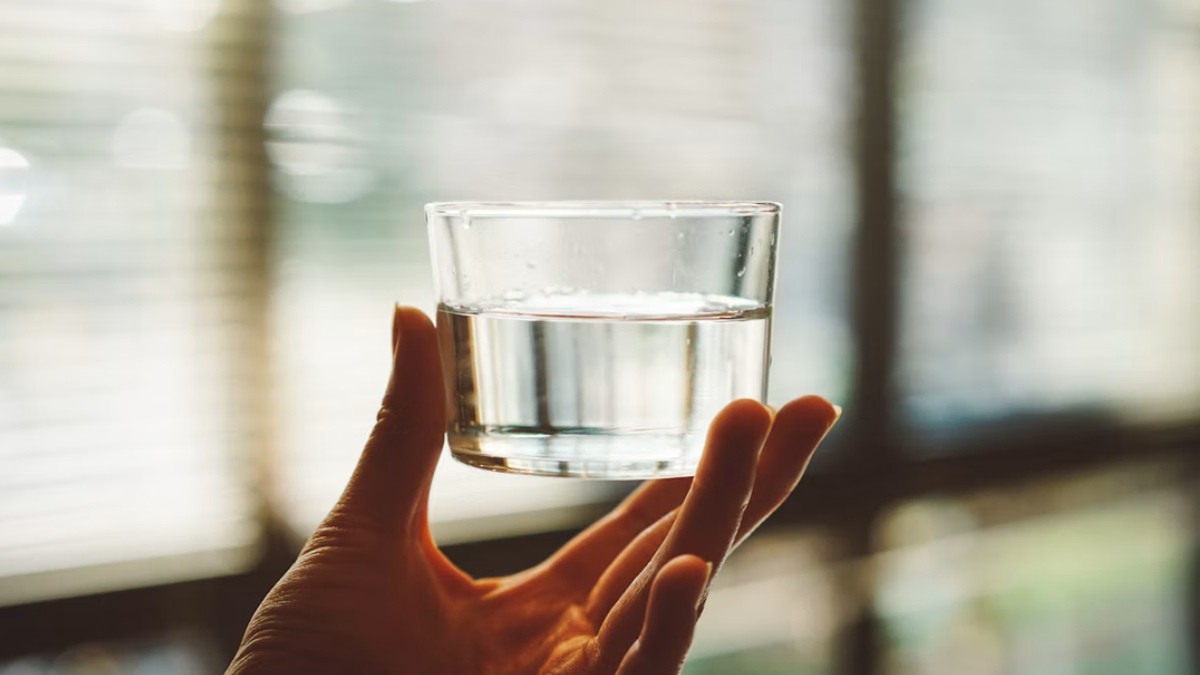
But can dehydration result in a blood clot every time someone does not drink enough water? The answer is no. Dehydration is one of several factors that may increase the risk of clotting, but it is not the only cause.
How does Dehydration affect blood circulation?
Dehydration is when the body loses more fluids than it takes in. This may happen from excessive sweating, fever, vomiting, diarrhea and not enough water.
Related Articles


If your body loses a lot of fluid, the amount of blood flowing through the body will decrease. If circulation is not efficient and certain components of the blood are concentrated, it can mean that all the blood will be less efficient.
Dependence on dehydration might increase the risk of blood clots in some cases, for example when other risk factors are present. But mild dehydration does not necessarily mean a clot will form.
The risk is related to dehydration severity, a person’s overall health, their level of physical activity, and whether they have other conditions that make clotting more likely.
Related Articles


What is a blood clot?
A blood clot is a collection of blood components formed into a gel-like or solid mass. Clotting is a natural process that stops bleeding if a blood vessel is injured.
Clots can also form inside blood vessels when they are not needed. These clots can temporarily or completely block blood flow and cause serious health problems.
One type is deep vein thrombosis (DVT), where a clot forms in a deep vein (in the leg). Part of the clot may break away and travel to the lungs, leading to a pulmonary embolism (PE) and this is a potentially life-threatening emergency.
Blood clots can develop for different reasons such as reduced blood flow, damage to blood vessels, and an increased tendency of the blood to clot.
Who is at greater risk of blood clots?
Dehydration is only one possible contributing factor. Several other circumstances can increase the likelihood of developing a blood clot.
1. Prolonged Sitting or Inactivity
Long periods of sitting can slow blood flow in the legs. So long-distance travel, extended bed rest and limited mobility after surgery may increase the risk of DVT.
Staying hydrated is helpful but it doesn’t replace the importance of moving regularly.
2. Recent Surgery or Injury
Surgery and certain injuries can damage blood vessels or temporarily limit mobility. Both circumstances may increase the risk of clot formation, especially during recovery.
3. Certain Medical Conditions
Cancer, some blood-clotting disorders and other medical conditions can increase the likelihood of developing a clot. A personal or family history of blood clots may also be relevant.
4. Pregnancy and Certain Medications
Pregnancy and the period after childbirth are associated with a higher risk of blood clots. Some hormone-containing medicines, such as certain contraceptives, also increase the risk.
5. Smoking and Other Health Factors
Smoking, older age and excess body weight may also increase blood clot risk. The likelihood can be higher when several risk factors occur together.
Common symptoms of a blood clot
Blood clot symptoms depend on the location in which the blood clot forms. Some clots have no obvious symptoms and some show warning signs that require immediate medical attention.
Symptoms of a Blood Clot in the leg
- Possible signs of DVT include:
- Swelling in one leg or arm.
- Pain or tenderness that may feel like cramping.
- Warmth in the affected area.
- Redness or a change in skin colour.
These symptoms can also occur with other conditions. But unexplained swelling or pain, particularly for one leg, should be medically evaluated.
The symptoms of a blood clot in the lungs
A pulmonary embolism may cause:
- Sudden shortness of breath.
- Chest pain when breathing deeply.
- A rapid heartbeat.
- Dizziness or fainting.
- Coughing up blood.
Seek emergency medical attention if you experience sudden breathing difficulties, unexplained chest pain, fainting or coughing up blood. Don’t wait to see if drinking water makes you feel better.
Myths and facts about Dehydration and Blood Clots.
Myth 1. Drinking less water always leads to blood clots.
Fact: Dehydration can contribute to clot risk but it does not automatically cause a clot. The risk is dependent on fluid loss severity and other individual factors.
Myth 2. Drinking extra water can dissolve an existing blood clot.
Fact: Water supports normal hydration, but it cannot dissolve an existing blood clot. A diagnosed clot may require medical attention such as anticoagulant drugs or other measures depending on its location and severity.
Never attempt to treat a suspected blood clot by drinking extra water or taking medication without medical advice.
Myth 3: Only older adults need to worry about blood clots.
Fact: Blood clots can affect people of different ages. Some risks increase with age; younger adults can also develop clots, particularly after surgery, during prolonged immobility or when other risk factors are present.
Myth 4: Staying Hydrated Completely Prevents Blood Clots.
Fact: Adequate hydration is important but it does not eliminate every risk. Movement, management of underlying conditions and appropriate medical care are also important for prevention.
How do you reduce the risk?
No one habit can prevent every blood clot, but there are some things that are very good for general health and help reduce avoidable risks.
- Drink fluids regularly: You need to drink fluids throughout the day. Your fluid needs may increase when it’s hot, you’re active, you have a fever or you’re sick and there is an illness resulting in fluid loss. Water is a useful everyday choice, while oral rehydration solutions may be appropriate in some cases where fluid loss is significant.
- Move around regularly: If you sit for long periods at work or while travelling, take breaks to stand, stretch and walk when possible. Moving your legs while seated can also help during long journeys.
- Stay physically active: Regular physical activity supports circulation and overall cardiovascular health.
- Follow medical advice after surgery: If you have had surgery or have limited mobility after surgery, follow your healthcare provider’s advice on movement, compression stockings or preventive medicines.
- Manage existing health risks: Discuss your personal risk with a healthcare professional if you have a history of blood clots, a clotting disorder or other relevant medical conditions.
When should one consult a doctor?
Seek medical advice if you experience unexplained swelling, pain, warmth or redness in a limb, especially if the symptoms develop suddenly or affect one side of the body.
Emergency symptoms such as sudden shortness of breath, chest pain, fainting or coughing up blood require immediate medical attention.
If you are experiencing dehydration, watch for symptoms such as intense thirst, dark-coloured urine, reduced urination, dizziness and unusual tiredness. Severe confusion, fainting or an inability to keep fluids down may require urgent medical care.
A healthcare professional can assess your symptoms and determine whether tests or treatment are necessary. Do not assume that symptoms are caused by dehydration alone.
Conclusion. Dehydration may increase the risk of blood clots in certain situations, but is not a simple or inevitable cause. The risk is influenced by several factors: lower mobility as well as underlying medical conditions, recent surgery and a person’s individual clotting risk.
Drinking enough fluids, being active and recognising warning signs are good things to do to protect one’s health. But hydration is not sufficient to prevent or treat every blood clot.
Knowing the facts can help you make informed health decisions and seek medical attention when symptoms suggest something more serious.


Comments 0