
Rabies remains one of the most serious diseases that can spread from animals to humans, but it is also preventable. In India, dog bites are a major route of human exposure, vaccination of stray and free-roaming dogs is an important part of controlling the disease.
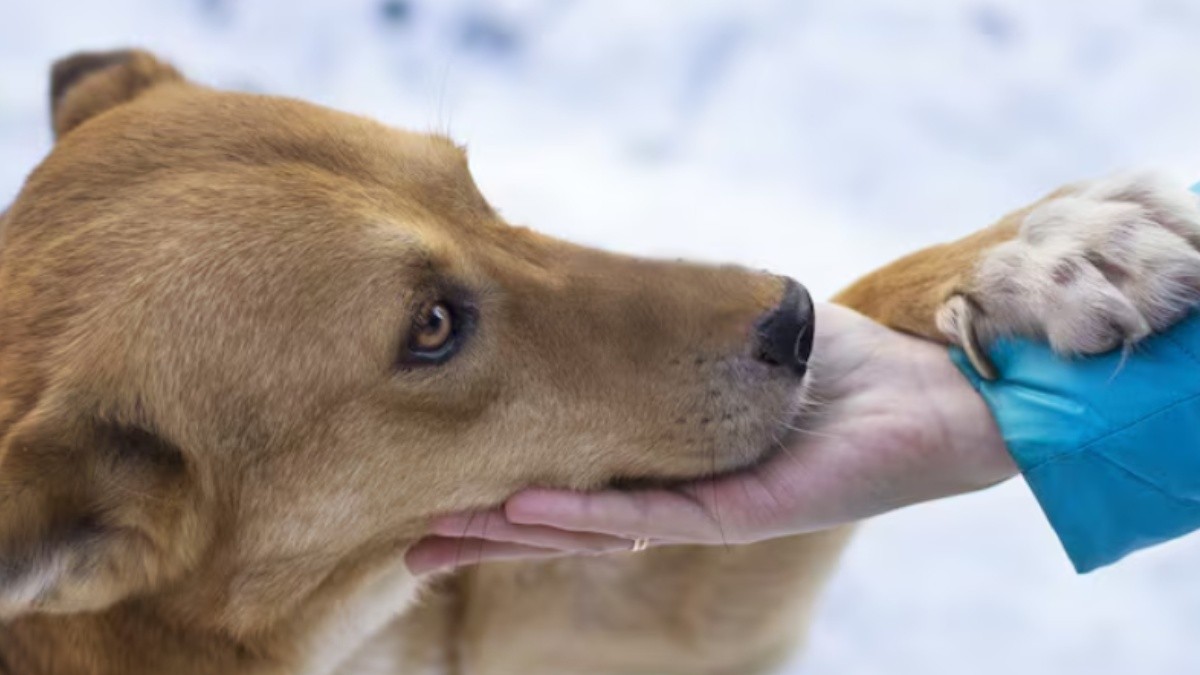
The question is whether vaccinating stray dogs actually stops rabies. If enough dogs are vaccinated for long enough, sustained mass vaccination of dogs can halt the transmission of dog-mediated rabies, the WHO said.
Why Stray dog vaccination is important?
Dogs account for more than 99% of human rabies cases worldwide and control of rabies among dogs is part of prevention. WHO recommends vaccination coverage of at least 70% of dogs in at-risk areas to stop transmission.
Related Articles


Vaccinating individual pets is useful, but it is not enough in areas with large populations of free-roaming dogs. Community-wide vaccination campaigns are needed to build sufficient immunity across the dog population.
What Does India’s Plan Say?
India has adopted a National Action Plan for Dog Mediated Rabies Elimination, with a goal of reducing human deaths from dog-mediated rabies by 2030. The plan focuses on sustained mass dog vaccination, human post-exposure treatment, public awareness and coordination between health and veterinary authorities.
India’s national plan specifically calls for strategic mass dog vaccination programmes that aim to vaccinate at least 70% of the dog population annually for three consecutive years and maintain that level in defined areas.
Related Articles


Is Vaccinating 70% of dogs enough?
The 70% figure is important because rabies control depends on achieving broad population-level immunity rather than simply vaccinating a few animals.
But vaccination must be sustained and put in place properly. Puppies and new dogs have to be included in vaccination efforts. WHO says campaigns need community participation, education, surveillance and cooperation between different sectors to achieve effective coverage.
Vaccination alone is not the entire solution.
Dog vaccination is a critical part of rabies prevention but rabies prevention has to be done together. There are also some things that need to be done in the way of responsible pet ownership, dog population management, proper bite prevention education and disease surveillance.
India's national approach follows this broader approach and combines animal vaccination with human post-exposure prophylaxis and public education.
What do you do after a dog bite?
A vaccinated dog is not guaranteed to be risk-free and we should not ignore a bite or scratch.
After a potentially dangerous exposure, immediately wash the wound thoroughly with soap and running water and seek medical care promptly. Physicians can determine whether rabies vaccination is required and, if so, whether rabies immunoglobulin is needed. Quick post-exposure treatment is effective in preventing rabies before symptoms develop.
Can India stop rabies through dog vaccination?
There is evidence that mass dog vaccination has been a very effective means of preventing dog-mediated rabies transmission. But in India this is only possible if there is high vaccination coverage, effective campaigns, reliable monitoring, public participation and timely treatment after exposure.
So, vaccinating stray dogs can play a major role in stopping dog-mediated rabies—but it needs to be part of a sustained, coordinated public-health programme rather than a one-time vaccination drive.
I write this article for general knowledge and not as a substitute for medical advice. Anyone bitten or scratched by a potentially rabid animal in any way should immediately go to the doctor.


Comments 0