
Hair is often viewed primarily as a beauty feature, but it can also provide useful clues about changes happening in the body. Changes in hair growth, thickness, texture or shedding may sometimes be associated with nutritional problems, hormonal changes, illness, medication or prolonged stress.
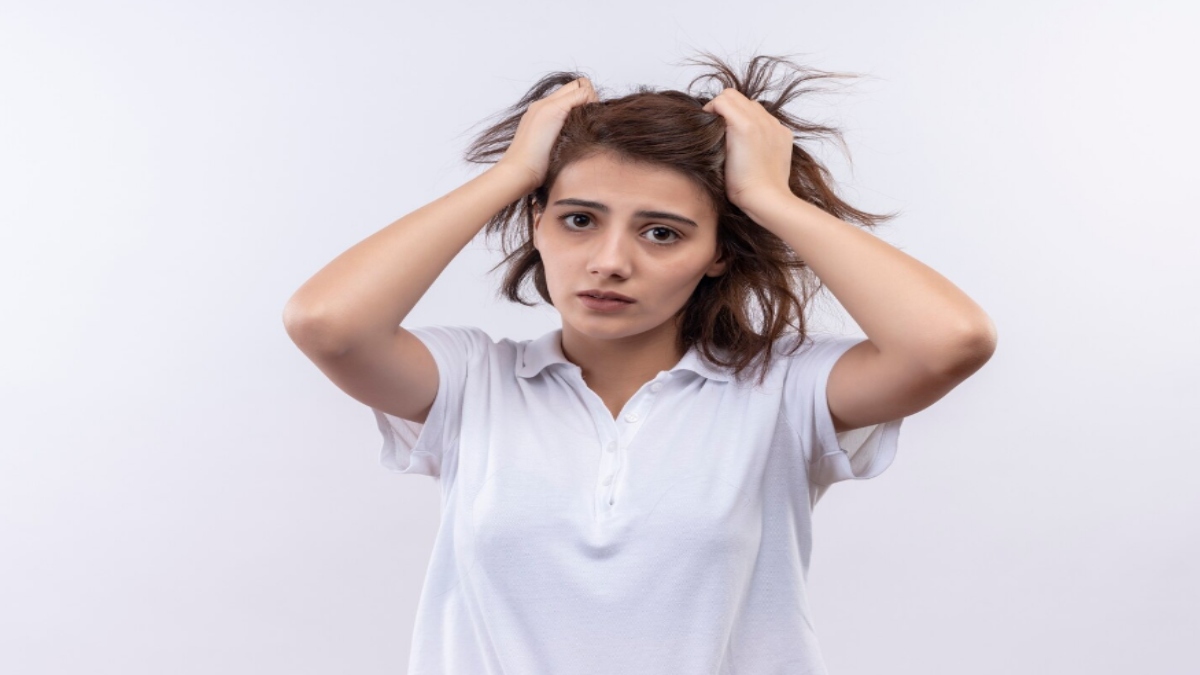
However, hair changes are not a diagnostic test on their own. Many common hair concerns have multiple possible causes, and some are completely harmless. Tracking noticeable changes over time can nevertheless help you recognise when something is different and give a healthcare professional useful information.
So, what should you watch for
Related Articles


Sudden Or Increased Hair Shedding
Losing some hair every day is normal. Hair naturally goes through growth and shedding cycles, and many people notice more strands while washing or brushing.
A sudden increase in shedding, however, can sometimes occur after significant physical or emotional stress. Illness, surgery, major weight changes, childbirth and other physiological stressors may trigger a temporary form of hair shedding known as telogen effluvium.
The shedding may become noticeable weeks or months after the triggering event. In many cases, hair growth gradually returns once the underlying issue is addressed, although the process can take time.
Related Articles


Tracking when excessive shedding began can help your doctor identify potential triggers.
Thinning Hair And Pattern Changes
Gradual thinning may have several causes. Genetic hair loss is extremely common in both men and women, but hormonal changes, certain medications, nutritional deficiencies and medical conditions can also contribute.
Changes in the hairline, widening of the parting or reduced density in particular areas may be worth monitoring, especially if the change is progressive.
Early evaluation can be useful because some causes of hair loss are treatable. A dermatologist can examine the scalp and, when appropriate, recommend tests to investigate possible underlying causes.
Brittle Or Easily Breaking Hair
Hair that suddenly becomes dry, fragile or prone to breakage can result from everyday factors such as frequent heat styling, bleaching, chemical treatments or harsh hair-care practices.
But changes in hair quality can sometimes occur alongside nutritional or hormonal issues.
This does not mean brittle hair automatically indicates a health problem. The key is to consider whether the change is persistent, unexplained or accompanied by other symptoms.
Reducing chemical processing and excessive heat can help protect the hair shaft, while a healthcare professional can assess persistent changes.
Changes In Hair Texture
Some people notice changes in their hair texture over time. Hair can become coarser, finer, drier or more difficult to manage for many reasons, including age, hormonal changes, environmental exposure and hair treatments.
Texture changes alone are rarely enough to identify a specific medical condition. They become more useful as a health clue when they occur alongside other symptoms.
Keeping track of when the change started and whether it affects the entire scalp or particular areas can provide helpful context during a medical consultation.
Changes In Scalp Health Matter Too
Your scalp deserves as much attention as your hair. Persistent itching, scaling, redness, sores, inflammation or painful areas should not simply be dismissed as a cosmetic problem.
Dandruff is common and can often be managed with appropriate treatment, but persistent or severe scalp symptoms may require professional evaluation.
Hair loss accompanied by inflammation, scaling or scarring is particularly important to assess because certain scalp disorders can cause permanent hair loss if left untreated.
Nutrition And Hair Health
Hair growth requires adequate nutrients, and significant nutritional deficiencies can affect hair. Low levels of nutrients such as iron, for example, may be associated with hair shedding in some people.
Restrictive diets, inadequate food intake and certain health conditions can increase the risk of nutritional deficiencies.
However, taking supplements without knowing whether you have a deficiency is not always appropriate. Excessive amounts of certain nutrients can also be harmful.
If hair changes are accompanied by fatigue, changes in appetite, unexplained weight changes or other symptoms, speak with a healthcare professional rather than relying on supplements alone.
Hormonal And Other Health Changes
Hormonal changes can influence the hair-growth cycle. Thyroid disorders, changes associated with pregnancy and the postpartum period, menopause and some hormonal conditions may affect hair growth or shedding.
Hair changes can also occur with certain autoimmune conditions and as a side effect of some medications.
This is why it is important not to assume that every case of hair loss is caused by stress or poor hair care. A proper medical history and examination may be needed to identify the cause.
Why Tracking Your Hair Can Be Useful
Tracking hair changes does not mean obsessively counting every strand. Instead, pay attention to noticeable changes in density, shedding, texture and scalp condition.
Taking occasional photographs under similar lighting and from similar angles can help you notice gradual changes that may otherwise be difficult to remember.
You can also note when symptoms started and whether they followed a major illness, significant stress, dietary change, new medication or hormonal event.
This information can be valuable when speaking with a doctor or dermatologist.
When Should You See A Doctor
Consider seeking professional advice if hair loss is sudden, severe, patchy or persistent, or if it occurs alongside scalp inflammation or other unexplained symptoms.
A dermatologist may examine the scalp and hair and determine whether further evaluation is needed. Depending on the situation, blood tests or other investigations may be recommended.
Most importantly, avoid diagnosing yourself based solely on something you read online. Hair changes can have many explanations, and the same symptom can occur for very different reasons.
Hair Can Offer Clues But It Cannot Tell The Whole Story
Your hair is not a window that can reliably diagnose every health problem, but changes in hair and scalp condition can sometimes provide useful clues. Paying attention to persistent or unusual changes can encourage earlier conversations with healthcare professionals.
Rather than focusing only on how your hair looks, consider it part of your overall wellbeing. Regular observation, balanced nutrition, sensible hair care and appropriate medical attention when necessary can help you protect both your hair and your health.
If a significant change appears suddenly or continues without an obvious explanation, getting professional advice is a safer approach than waiting for the problem to resolve on its own.


Comments 0