
There is no single medicine or treatment that cures every type of cancer. Cancer is a general disease and it depends on the cancer type, location, stage, genetic condition and health of the individual.
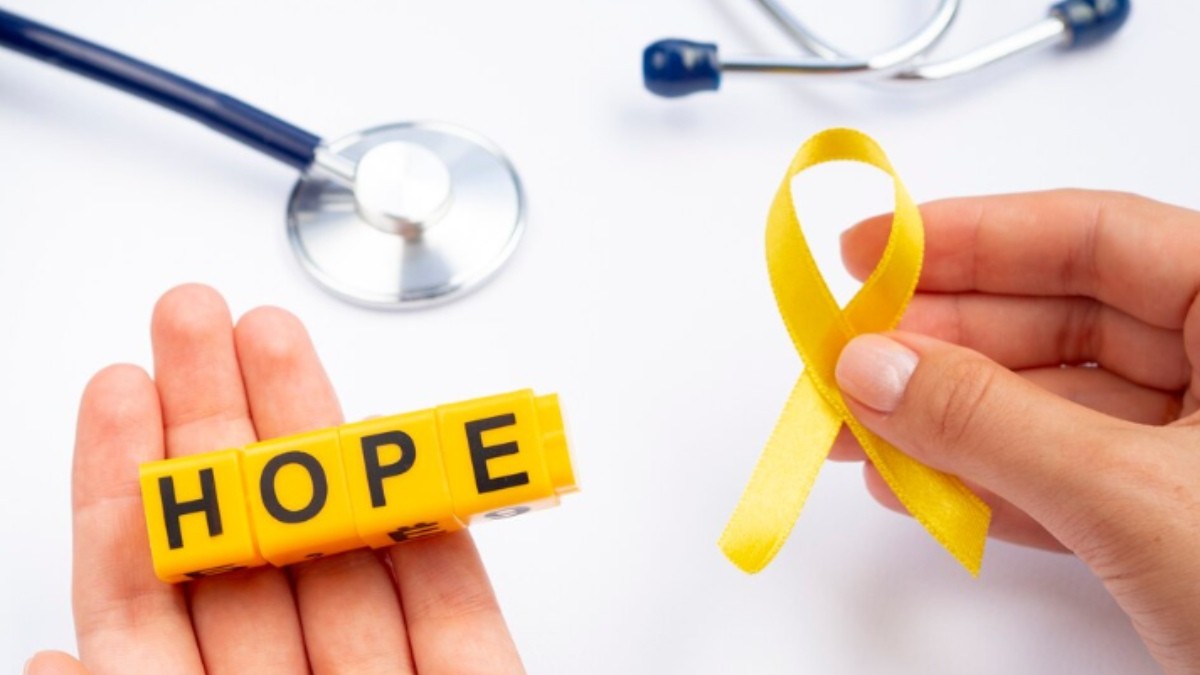
But many cancers can be treated successfully when detected early and treated with appropriate evidence-based treatment. The World Health Organization (WHO) says many cancers can be cured when detected early and treated effectively.
Surgery for Cancer
Surgery is an important treatment for many cancers, particularly solid tumours that are limited to one area. Doctors remove the cancerous tumour and, in some cases, nearby tissue or lymph nodes during surgery.
Related Articles


Surgery may be used alone or in combination with chemotherapy or radiation and other treatments based on the cancer.
Chemotherapy
Chemotherapy is done to kill cancer cells or stop their growth. It can be used to treat cancer, reduce the likelihood of recurrence, slow cancer growth or relieve symptoms caused by tumours.
Some patients receive chemotherapy alone, while others receive it alongside surgery or radiation therapy. What is the appropriate treatment for cancer and whether it has spread?
Related Articles


Radiation Therapy
Radiation therapy, which damages cancer cells’ DNA with high doses of radiation, is used to stop the cancer cells from growing or dying. It can be used to treat cancer, reduce the risk of recurrence or to alleviate symptoms.
Radiation can be given externally or through certain internal treatments, depending on the cancer.
Immunotherapy
Immunotherapy helps the body's immune system recognize and fight cancer. Different forms include immune checkpoint inhibitors, monoclonal antibodies and some cell-based therapies.
Immunotherapy is used for several types of cancer, but it is not appropriate for every patient or cancer.
Targeted Therapy
Targeted therapies focus on specific proteins or biological changes that help cancer cells grow, divide or spread. Doctors may carry out biomarker testing of a patient’s cancer to see whether it contains a target for a particular treatment.
Why Early Detection Matters
Early diagnosis can dramatically improve cancer outcomes. Screening can also detect certain cancers or precancerous changes before symptoms develop. WHO says early-detection and screening are important steps in cancer control.
There Is No One-Size-Fits-All Cure
Cancer treatment is highly individualised. A medical team may combine surgery, radiation, chemotherapy, hormone therapy, targeted therapy or immunotherapy based on the diagnosis. WHO recommends evidence-based, multidisciplinary cancer care tailored to the patient and tumour.
People should be wary of the belief that one herb, supplement, diet or another treatment can cure cancer. These methods should not replace existing cancer treatments. Anyone diagnosed with cancer should speak to a capable oncologist and ask about the appropriate clinical trials where appropriate.
As the article is general health information and is not a substitute for medical advice, diagnosis or treatment.


Comments 0