
Gujarat has been reporting 22 child deaths linked to the Chandipura virus (CHPV) in this monsoon season so far, a situation which has health officials on the ground raising alarm over surveillance efforts in affected districts to have better hospitals and vector control measures in place. Most cases have been in children under 15 years old, who are considered to be the most vulnerable to severe complications of the infection.
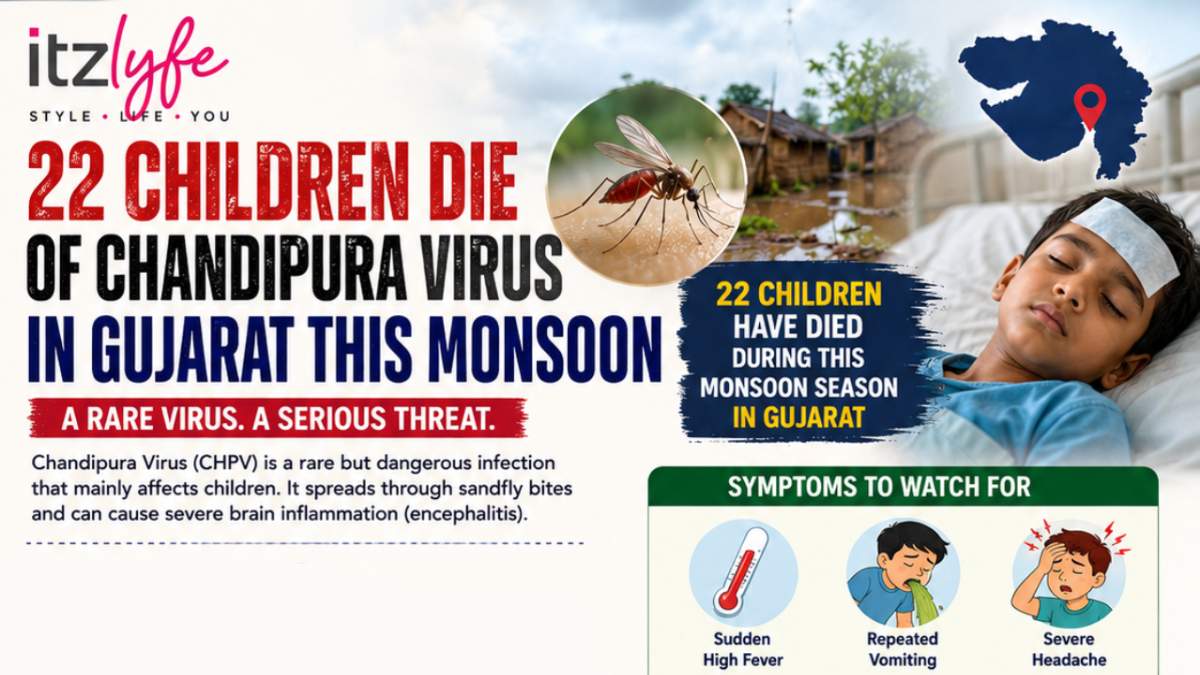
Although Chandipura virus infections are relatively rare, the disease can progress rapidly and become life threatening if not recognized and treated early.
What is Chandipura virus?
Related Articles


Chandipura virus (CHPV) is mainly transmitted by infected sandflies but other biting insects have been studied in. It is known to cause Acute Encephalitis Syndrome (AES), a serious condition involving inflammation of the brain.
The disease has been reported mainly in parts of western, central and southern India, with cases usually increasing during the monsoon season.
Why do sandfly cases increase during the monsoon?
Related Articles


Warm temperatures, humidity and rain make sandflies breed and thrive. With the increase in population during the monsoon they become more contagious and therefore the chances of virus transmission are higher.
Poor Sanitation and Rural conditions
Sandflies breed in cracks of mud walls, damp areas, animal shelters, organic waste and poorly maintained environments. Rural areas with inadequate sanitation may thus face a higher risk of transmission.
Children Are More Vulnerable
Most severe Chandipura virus infections occur in children under 15 years of age. Their developing immune systems may make them more susceptible to complications and the virus can rapidly affect the brain and lead to encephalitis.
Rapid disease progression
One of the biggest concerns with Chandipura virus is how quickly the illness can worsen. A child who first develops a fever may deteriorate within 48 to 72 hours, so early diagnosis and hospitalization are extremely important.
Symptoms to Watch For
Parents should seek immediate medical attention if a child develops:
Sudden high fever
Repeated vomiting
Severe headache
Excessive sleepiness or confusion
Seizures (fits)
Loss of consciousness
These symptoms need to be treated in a timely manner, particularly in outbreak situations.
Prevention Measures
Although there is no specific antiviral treatment or approved vaccine for Chandipura virus, there are possible preventive measures to minimize the risk of infection.
Protect Against Sandfly Bites
Use insect repellents suitable for children. Children can wear long-sleeved clothes and full-length pants. Use insecticide-treated bed nets where appropriate. Window and door screens are installed to prevent insects from entering. Repair cracks in mud walls where sandflies may breed. Remove garbage and damp organic waste around homes. Maintain cleanliness around animal shelters and living areas. Seek medical care Early
Early hospitalization and supportive care can lead to improvement. Parents need to consider sudden fever and neurological symptoms of a sudden fever.
Support Children's Health
Health-wise, nutrition is important for children to keep hydrated and have a balanced, healthy diet, but nutrition alone does not prevent Chandipura virus infection.
Key Takeaway
A recent increase in Chandipura virus cases during Gujarat's monsoon season highlights the need for vector control, early detection of symptoms and timely emergency medical treatment. While the disease is not common, it can become life-threatening in a short period (especially in children).
To protect children from sandfly bites, maintaining clean surroundings and seeking immediate medical attention if warning symptoms appear remain the most effective measures to reduce the risk of severe illness.




Comments 0