
Smartphones are a part of daily life and work and education as well as entertainment and communication are now happening. And while we are on a mobile phone every day and we can use it to get information, we have to keep the screen off of our heads not only because we don’t need it.
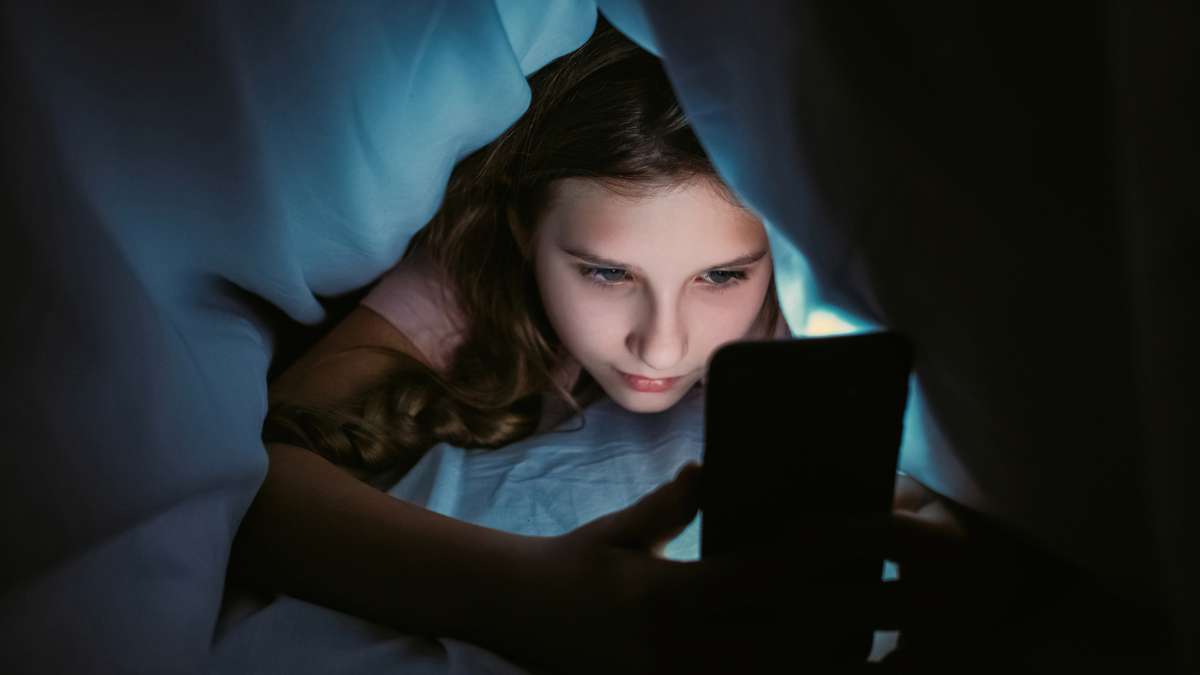
Health professionals don’t recommend one ideal number of screen-time hours per adult since the work, education and lifestyle of individual people is subjective. However, most of them recommend keeping recreational (non-work) mobile screen time to around 2–3 hours per day whenever possible. People working with extended screen use should take frequent breaks and the same healthy screen habits to minimize eye strain and fatigue.
Digital eye strain is one of the most common problems that occurs with continuous mobile use. Looking at a screen for a long period of time with the eyes open can cause dry eyes, blurry vision, headaches and neck pain. The best way to protect your eyes is the 20-20-20 rule: every 20 minutes, look at something about 20 feet away for at least 20 seconds. This is a very simple way to relax the eye muscles and relieve stress.
Related Articles

Sleep quality can be compromised by excessive screen time. The blue light emitted by smartphones can interfere with the body’s production of melatonin, a hormone that regulates sleep. And if you’re using your phone before bedtime, it’s difficult for you to fall asleep and your rest is less effective. Experts suggest that you avoid using mobile screens for 30 to 60 minutes before bed.
Long hours of smartphone use might also adversely impact your mental health. Constant notifications, social media scrolling, and constant digital activity can cause stress, anxiety, poor concentration, and low productivity. Regular digital rest breaks and limiting screen time may increase productivity and focus and improve mental health.
Sitting in a good position when using a mobile phone is just as important. Looking down at a phone for long periods may result in “text neck” and cause neck, shoulder, and back pain. Hold your phone closer to eye level whenever possible and avoid prolonged periods in the same position.
Related Articles


Parents should be aware of children’s screen time. Pediatric experts generally advise for children to limit their recreational screen use and encourage outdoor play, reading, and face-to-face interaction to promote healthy development.
To keep screen usage levels healthy, limit app usage, turn off notifications that aren’t important, schedule screen-free family time, and engage in physical activities or hobbies away from devices. These small lifestyle changes can reduce screen exposure drastically.
Smartphones are great devices, but we need to have moderation. If you have eye pain, headaches, sleep problems, or neck pain from constant screen use, contact an eye doctor or healthcare provider.
So there is no universal screen-time limit for everyone. But if you limit your recreational mobile use to 2–3 hours a day, take frequent breaks, maintain good posture, and don’t use the screen before bedtime, you’ll enjoy technology and you’ll be able to stay healthy and well in the long run.




Comments 0