
Strong bones are essential for maintaining mobility, independence, and overall health throughout life. For women in particular, bone health becomes increasingly important with age, especially after menopause, when declining estrogen levels can accelerate bone loss. According to physicians, one of the simplest ways to help maintain healthy bones is through regular weight-bearing exercise, and climbing stairs is an easy activity that many people can incorporate into their daily routine.

Unlike exercises performed while sitting or swimming, stair climbing requires your body to work against gravity. This places healthy stress on bones and muscles, encouraging the body to maintain bone strength over time. While stair climbing alone cannot prevent osteoporosis or replace medical treatment, it can be a valuable part of a comprehensive bone-health plan.
Why Bone Health Matters for Women
Bones are living tissues that are constantly being broken down and rebuilt. During childhood and early adulthood, bone formation generally outpaces bone loss. As people age particularly after menopause in women bone loss can occur more rapidly, increasing the risk of osteopenia and osteoporosis.
Related Articles
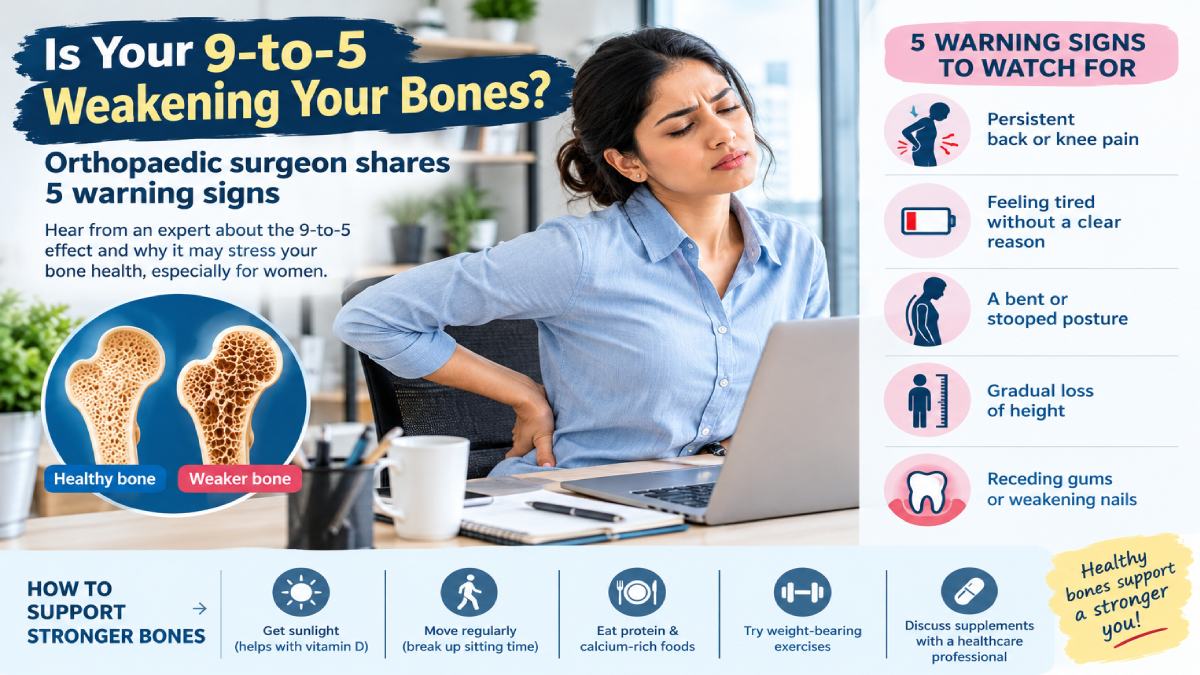

Weaker bones are more susceptible to fractures, particularly in the hips, spine, and wrists. Maintaining an active lifestyle, eating a balanced diet, and getting adequate calcium and vitamin D are all important strategies for supporting long-term bone health.
How Climbing Stairs Benefits Bone Strength
1. A Weight-Bearing Exercise
Weight-bearing activities require the body to support its own weight while moving. Examples include walking, dancing, hiking, and climbing stairs.
During stair climbing, the bones in your legs, hips, and lower spine experience repeated loading. This mechanical stress stimulates bone remodeling, a natural process that helps maintain bone density.
Related Articles


2. Strengthens Leg Muscles
Climbing stairs works major muscle groups, including the:
- Quadriceps
- Hamstrings
- Glutes
- Calves
Stronger muscles provide better support for the joints and bones, which may contribute to improved stability and functional mobility.
3. Improves Balance and Coordination
Regular stair climbing challenges balance and coordination, skills that become increasingly important with age. Better balance may reduce the risk of falls, which are a leading cause of fractures in older adults.
4. Supports Heart Health
Stair climbing is also an effective cardiovascular exercise. It increases heart rate, improves circulation, and contributes to overall fitness. Better cardiovascular health supports an active lifestyle, which is beneficial for bone and muscle health.
5. Helps Maintain a Healthy Weight
Maintaining a healthy body weight can reduce excess stress on the joints while supporting overall wellness. Combined with a balanced diet, stair climbing can contribute to calorie expenditure and help with weight management.
Why Weight-Bearing Exercise Is Important
Bones respond to regular physical activity by adapting to the forces placed upon them. Weight-bearing exercises encourage this natural adaptation and are widely recommended as part of a bone-health routine.
For optimal benefits, experts also recommend muscle-strengthening exercises at least twice a week, alongside regular aerobic activity. A healthcare provider or physiotherapist can help tailor an exercise plan to your individual needs.
Tips for Safe Stair Climbing
If you're adding stair climbing to your routine, follow these safety tips:
- Wear supportive, well-fitting footwear with good grip
- Use the handrail if needed, especially if you have balance concerns
- Start slowly with a few flights of stairs and gradually increase as your fitness improves
- Maintain an upright posture and avoid rushing
- Stop if you experience chest pain, dizziness, severe shortness of breath, or joint pain, and seek medical advice if symptoms persist
Individuals with knee problems, severe arthritis, balance disorders, or certain heart conditions should consult a healthcare professional before beginning a stair-climbing program.
Other Ways to Support Bone Health
Exercise is just one part of maintaining strong bones. Other important strategies include:
Eat Calcium-Rich Foods
Calcium is essential for bone health. Good dietary sources include:
- Milk, yogurt, and cheese
- Fortified plant-based beverages
- Tofu made with calcium
- Leafy green vegetables
- Sardines and salmon with bones
Get Enough Vitamin D
Vitamin D helps the body absorb calcium. It can be obtained through safe sun exposure, certain foods, and supplements if recommended by a healthcare provider.
Include Strength Training
Resistance exercises using body weight, resistance bands, or weights help strengthen muscles and may support bone health when performed regularly.
Avoid Smoking and Limit Alcohol
Smoking and excessive alcohol intake are associated with poorer bone health. Reducing these risk factors can contribute to stronger bones over time.
When to Discuss Bone Health with Your Doctor
Women should speak with a healthcare provider if they have:
- A family history of osteoporosis
- A previous fracture after a minor fall
- Early menopause
- Long-term use of corticosteroid medications
- Medical conditions that affect bone health
Your doctor may recommend a bone mineral density (DEXA) scan to assess bone strength and determine whether additional treatment is needed.
Climbing stairs is a simple, accessible form of weight-bearing exercise that can play a meaningful role in supporting bone strength, muscle function, and overall fitness in women. Combined with a nutritious diet, adequate calcium and vitamin D intake, strength training, and regular health check-ups, this everyday activity can contribute to long-term bone health.


Comments 0