
Cold weather is more than a cold morning and dry skin. People with respiratory problems and other winter-related problems can be more susceptible to respiratory infections in the winter. More frequent indoor time, less ventilation and lower temperatures can result in a spread of some infections quicker.
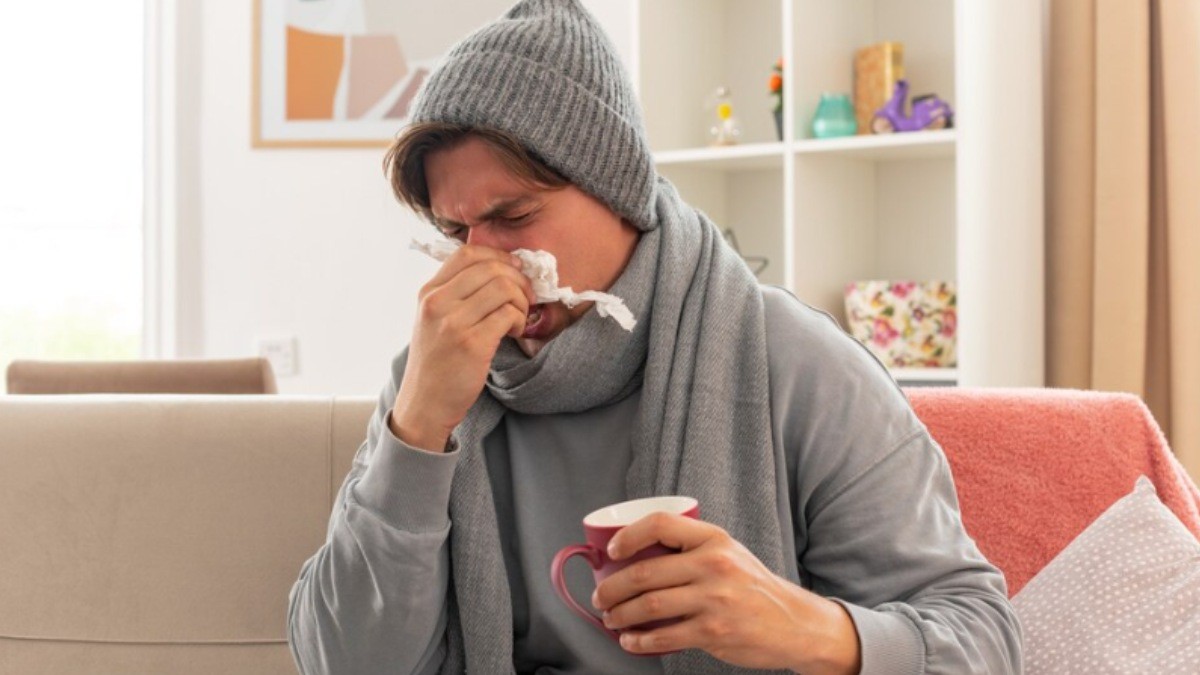
Knowing the common cold-weather illnesses and taking simple precautions can help people stay healthier throughout the season.
Common Cold and Viral Infections
The common cold is one of the most common illnesses during colder months. It can cause a runny or blocked nose, sneezing, sore throat, cough and mild tiredness. Different viruses can cause colds, and they spread through respiratory droplets and contaminated surfaces.
Related Articles


Hand washing frequently, avoiding close contact with people who are sick and avoiding touching your eyes, nose and mouth can decrease the risk of infection.
Flu and Other Respiratory Infections
Influenza, commonly called flu, can be more common in the colder months. The symptoms can be fever, cough, sore throat, body aches, headache and fatigue. Some respiratory infections can be serious, especially in older adults, young children and persons with certain underlying health conditions.
Good hand hygiene, better indoor ventilation and staying home when sick can help to prevent the spread. People with an elevated risk should check with a healthcare professional who has recommended vaccinations.
Related Articles


Asthma and Breathing Problems
Cold, dry air can trigger asthma symptoms for some people. Asthma patients can get coughing, wheezing, chest tightness or difficulty breathing when exposed to cold conditions.
People with asthma should follow their prescribed treatment plan and protect themselves from very cold air when outdoors. A scarf or mask covering the nose and mouth may help warm the air before it is inhaled.
Dry Skin and Eczema
Cold weather and low humidity can strip moisture from the skin, which causes dryness, itching and irritation. People who already have eczema may see worsening symptoms.
Adhering to a gentle moisturiser on a regular basis, taking less warm, not very hot showers and avoiding harsh soaps so that the skin can be protected can save us from skin damage.
Sinus Problems
Cold weather can cause nasal irritation and may also make sinus symptoms more pronounced. Congestion, facial pressure, headache and a blocked or runny nose are common complaints.
Drinking enough fluids, using a humidifier when appropriate and keeping indoor spaces adequately ventilated can help. Persistent or severe symptoms should be discussed with a healthcare professional.
How to Stay Healthy in Cold Weather
Simple habits can make a difference in winter. Dress properly for the weather, sleep enough, be well-rested and eat healthy foods and eat a diet with fruits, vegetables and whole grains and protein. And then be active in order to stay healthy. Physical activity is also important for health and is also good for a healthy life.
Keep frequently touched surfaces clean, wash your hands regularly and avoid sharing personal items with someone who is unwell.
When to Seek Medical Help
Most minor seasonal illnesses improve with time, but some symptoms need medical attention. Consider medical help for breathing difficulties, persistent high fever, severe chest pain, confusion, dehydration or symptoms that are getting worse rather than better.
Cold weather does not cause illness, but seasonal conditions can increase exposure to some infections and exacerbate other problems already on the list. Remark that it is safe to go into the colder months with a warning.


Comments 0