
Cough is one of the most common health problems and is usually caused by viral infections like the common cold or flu. Most likely, it disappears in a few weeks. But if a cough lasts more than three weeks, it should not be ignored. While a persistent cough can be caused by several non-serious conditions, it may also be an early warning sign of lung cancer.
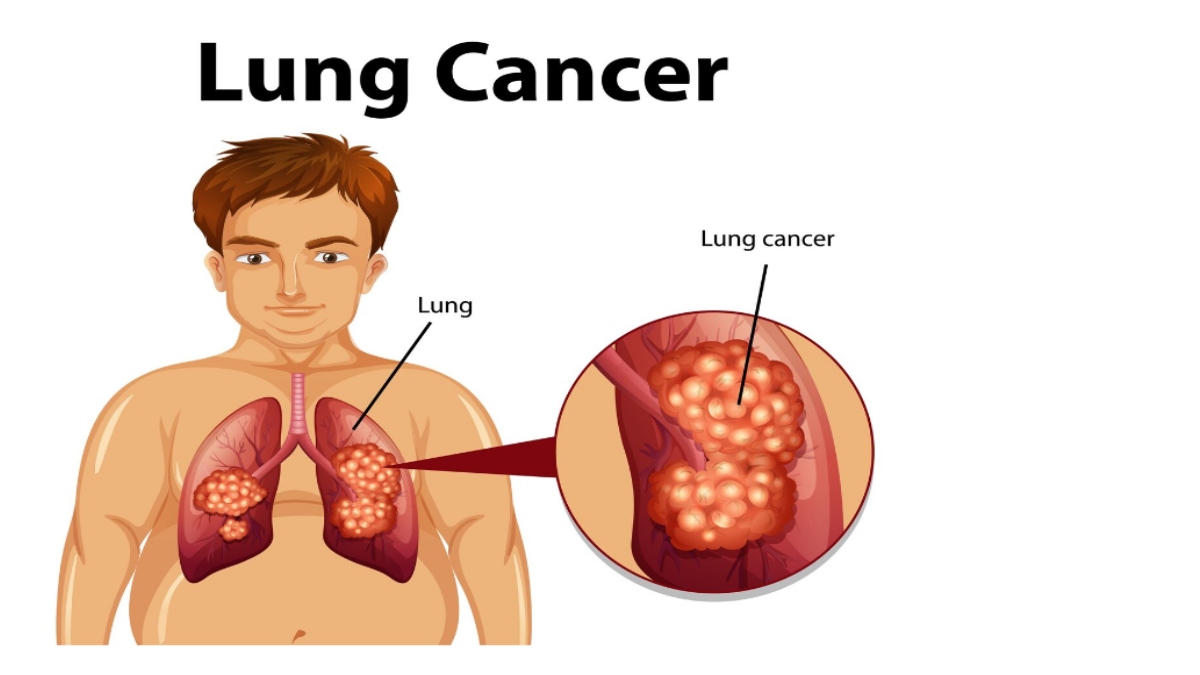
Early recognition of the symptoms and timely medical care can significantly improve treatment outcomes. Knowing why it’s a long-lasting cough can help you make informed decisions about your health.
What is a persistent cough
A persistent or chronic cough is defined as a cough that lasts longer than three weeks. It can be dry or produce mucus, and may occur throughout the day or worsen at night.
Related Articles


Many conditions can cause a chronic cough, including:
- Viral respiratory infections
- Asthma
- Allergies
- Acid reflux (GERD)
- Chronic bronchitis
- Postnasal drip
- Smoking-related lung damage
Although these conditions are more common than lung cancer, persistent symptoms should always be evaluated by a healthcare professional.
Could it be lung cancer
Lung cancer often develops silently in its early stages. A persistent cough is one of the earliest and most common symptoms. The cough may progressively worsen over time or change in character.
Related Articles


You should seek medical attention if your cough:
- Lasts longer than three weeks
- Gets progressively worse
- Produces blood or rust-colored mucus
- Accompanied by chest pain
- Causes shortness of breath
- Associated with unexplained weight loss, Causes persistent fatigue
- Leads to recurrent chest infections
Although such symptoms are not always indicative of lung cancer, they must be treated immediately to be confirmed.
Other symptoms of lung cancer
Besides chronic cough, lung cancer can cause:
- Wheezing
- Hoarseness
- Difficulty breathing
- Persistent chest discomfort
- Bone pain
- Frequent pneumonia or bronchitis
- Loss of appetite
- Swelling in the face or neck
In advanced stages, lung cancer can spread to other organs, causing headaches, dizziness, bone fractures, or neurological symptoms.
Who is at Higher Risk
Some factors increase the likelihood of lung cancer.
Smoking
Cigarette smoking is the leading cause of lung cancer. The risk increases with the number of years a person has smoked.
Secondhand Smoke
Even non-smokers who are regularly exposed to secondhand smoke are at greater risk.
Environmental Exposure
Exposure to radon gas, asbestos, diesel exhaust, and air pollution can increase lung cancer risk.
Family History
People with a close relative diagnosed with lung cancer may have an increased genetic risk.
Age
Most lung cancer cases occur in adults over the age of 50, although younger people can also develop the disease.
How is lung cancer diagnosed
If a persistent cough is a concern, your healthcare provider may recommend several tests such as:
- Chest X-ray
- CT scan of the lungs
- Bronchoscopy
- Biopsy
- PET scan if cancer is suspected
Early diagnosis helps physicians to recognize the stage of the disease and to recommend the best treatment.
Treatment Options
Treatment depends on the type and stage of lung cancer.
Common treatment options include:
- Surgery
- Chemotherapy
- Radiation therapy
- Targeted therapy
- Immunotherapy
- Combination treatments
More successful cancer treatment results in more effective survival rates, especially if the disease is detected early.
Can lung cancer be prevented
Although not all cases are preventable, you can lower your risk by:
- Quitting smoking
- Avoiding secondhand smoke
- Testing your home for radon
- Wearing protective equipment if exposed to dangerous chemicals
- Eating healthy food with lots of fruits and vegetables
- Exercising regularly
- Following recommended lung cancer screening guidelines if you are at high risk
When should you see a doctor
Do not ignore a cough that doesn’t go away. If your cough lasts longer than three weeks, especially if blood, chest pain, weight loss, or breathing problems are present, call your healthcare provider as soon as possible.
A persistent cough is not always a sign of lung cancer, but it should never be dismissed. Many respiratory issues need medical attention, and early diagnosis can be useful to prevent complications.
A cough lasting more than three weeks needs treatment. While most persistent coughs are linked to infections, allergies, asthma, or acid reflux, lung cancer is one of the major concerns to be ruled out. Early identification of the warning signs, understanding personal risk factors, and seeking prompt medical evaluation can lead to earlier diagnosis and better treatment outcomes. Remember, early detection can save lives and prevent the condition from worsening if symptoms persist.


Comments 0