
A chest infection can affect the airways or lungs and may cause symptoms such as coughing, mucus production, fever, chest discomfort, tiredness and difficulty breathing. Most chest infections are caused by infections such as bronchitis or pneumonia and improve with appropriate treatment. However, when a person develops repeated chest infections, particularly in the same area of the lung, doctors may recommend further investigation.

One question that often arises is whether recurring chest infections could be an early warning sign of lung cancer. While recurrent infections do not automatically mean cancer, certain patterns can sometimes warrant closer medical assessment.
Why Can Lung Cancer Be Associated With Repeated Infections
A tumour developing inside or near an airway can sometimes partially block the passage of air. This obstruction may make it harder for mucus to clear properly and can create conditions in which infections develop more easily.
Related Articles

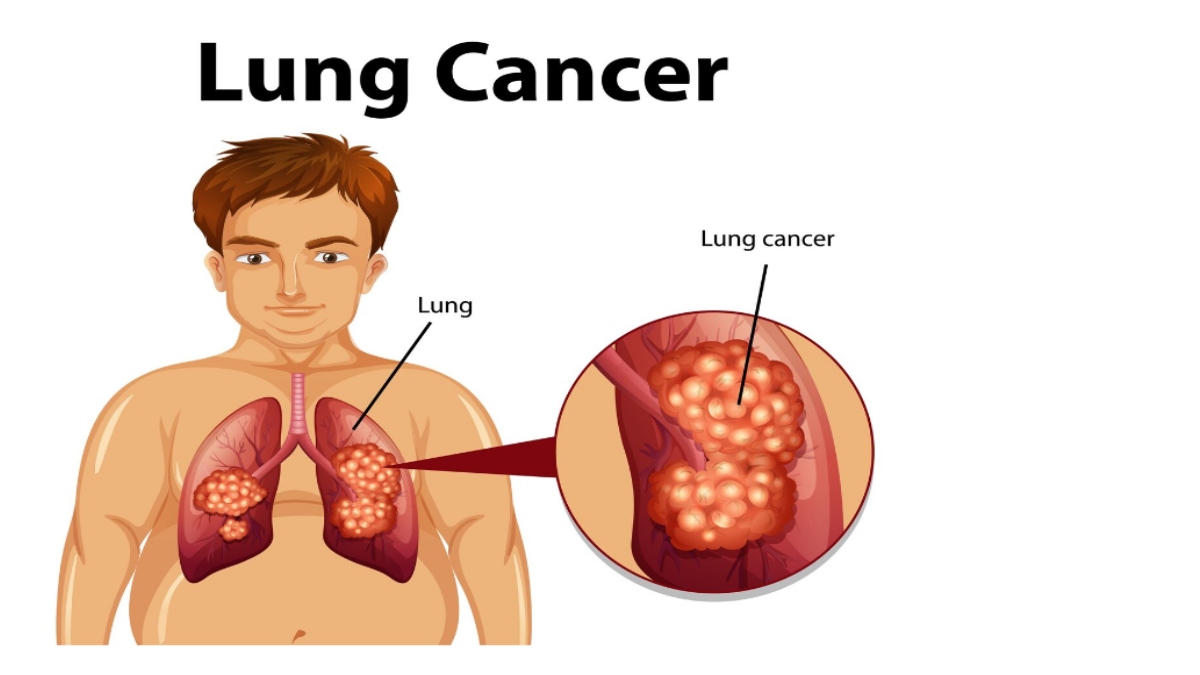
As a result, some people with an underlying lung tumour may experience repeated episodes of pneumonia or other respiratory infections, especially when infections repeatedly affect the same part of the lung.
However, this is only one possible explanation. Recurrent infections can also occur because of asthma, chronic lung diseases, weakened immunity, smoking-related damage, aspiration, structural abnormalities of the airways and other conditions.
When Should Recurrent Infections Be Investigated
A single chest infection that responds normally to treatment is usually not a reason to assume lung cancer. The concern may be greater when infections keep returning or when symptoms do not completely resolve.
Related Articles


Doctors may pay particular attention to symptoms such as a persistent or worsening cough, coughing up blood, unexplained weight loss, ongoing chest pain, breathlessness, persistent hoarseness or unusual fatigue.
A person who has a significant history of smoking or exposure to certain occupational substances may also require particular attention to persistent respiratory symptoms.
Importantly, these symptoms are not specific to lung cancer. Many common respiratory and non-respiratory conditions can cause similar problems.
Persistent Cough Should Not Be Ignored
A cough is one of the most common symptoms associated with respiratory infections, so it can be difficult to determine when it requires additional evaluation. A cough that continues after an infection has otherwise resolved, changes in character or progressively worsens should be discussed with a healthcare professional.
Similarly, unexplained blood in sputum should receive medical attention. Although it can occur with infections and other conditions, it should not simply be assumed to be harmless.
What Tests May Doctors Recommend
If a doctor is concerned about recurrent infections or an underlying lung problem, they may review the person's medical and smoking history and perform a physical examination. Depending on the symptoms, they may recommend investigations such as a chest X-ray or CT scan.
Imaging can help identify abnormalities, including persistent areas of infection, masses, enlarged lymph nodes or other structural changes. If an abnormality is found, additional tests may be necessary to determine its cause.
In some circumstances, doctors may recommend bronchoscopy, in which a specialist uses a thin instrument to examine the airways. Further testing, including tissue sampling, may be required if cancer is suspected.
Early Evaluation Can Make a Difference
Lung cancer does not always cause obvious symptoms during its early stages. This is why persistent or unusual respiratory symptoms should be assessed rather than repeatedly treated without investigating why they keep occurring.
At the same time, it is important not to panic after experiencing more than one chest infection. Recurrent respiratory infections are far more commonly associated with conditions other than cancer. The significance depends on factors such as age, smoking history, medical history, symptoms, infection pattern and results of clinical investigations.
Who May Need Extra Attention
People who smoke or previously smoked have a higher risk of developing lung cancer. Long-term exposure to second-hand smoke and certain workplace substances can also increase risk. A family history of lung cancer and some other factors may contribute as well.
Anyone with recurrent chest infections should discuss the pattern with a healthcare professional, particularly if they have other persistent symptoms or known risk factors.
Recurring chest infections do not necessarily mean lung cancer, but repeated infections especially those affecting the same area of the lung or accompanied by persistent warning symptoms may need further evaluation.
Rather than trying to diagnose the cause based on symptoms alone, it is best to consult a doctor who can assess the complete medical history and decide whether imaging or other investigations are appropriate. Early evaluation can help identify the actual cause and ensure that conditions requiring treatment are not overlooked.


Comments 0