
Dark circles under the eyes are a common cosmetic problem, often due to lack of sleep, aging, stress, or genetics. In most cases, they appear under both eyes and are harmless. But if you notice a dark circle under only one eye, it may leave you wondering if it's simply a cosmetic issue or a sign of an underlying health condition.
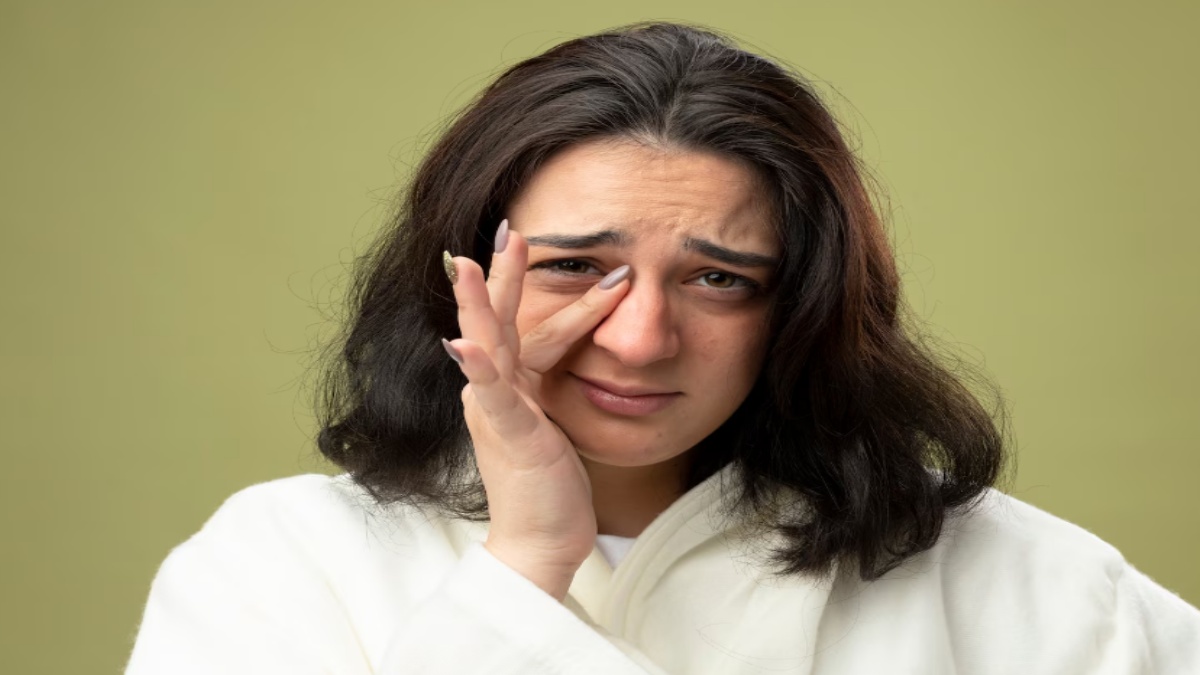
They say one-sided dark circles are not usually a cause for alarm but are to be observed and listened for in the color, duration, and symptoms. The color of the discoloration may give clues as to what could be the cause, and in some cases, medical examination is needed.
What different shades of under-eye discoloration could mean and when it is time to seek professional medical advice.
Related Articles


Why does a dark circle appear under only one eye
A dark circle affecting one eye is due to many things. Sleeping on one side of your face, localized allergies, minor trauma, sinus congestion, pigmentation changes, or differences in blood vessel visibility may be some of those causes. It may also be associated with an underlying eye or skin condition affecting only one side.
If the discoloration suddenly becomes worse, it is not to be ignored.
What different shades may indicate: Blue or Purple Under-Eye Circles
Bluish or purplish discoloration is often caused by visible blood vessels beneath the thin skin around the eyes. This is more common in fair skin, aging skin, or reduced collagen.
Related Articles


Possible causes include:
- Fatigue and sleep deprivation
- Dehydration
- Genetics
- Natural thinning of the skin with age
These dark circles are mostly harmless but may become more noticeable during periods of stress or illness.
Brown Under-Eye Circles
Brown discoloration is usually associated with pigmentation and not blood vessels.
Common reasons include:
- Sun exposure
- Post-inflammatory pigmentation from rubbing the eyes
- Allergic reactions
- Genetic skin pigmentation
People with darker skin tones are also more likely to have pigmentation-related dark circles.
Red or Pink Shades
Redness under one eye may be inflammation or irritation.
Potential causes include:
- Seasonal allergies
- Eye rubbing
- Dry eye syndrome
- Mild skin irritation
- Early infection
If redness is accompanied by swelling, pain, discharge, or vision changes, a prompt medical assessment is recommended.
Yellowish Discoloration
A yellow tint below the eye is less common, but can be due to bruising in the healing process, cholesterol deposits around the eyelids (xanthelasma), or, in rare cases, liver-related factors affecting skin color.
A persistent yellow discoloration should be evaluated by a healthcare professional.
Black or Deep Gray Appearance
Very dark circles may simply reflect deep shadows created by facial anatomy, hollow tear troughs, or pigmentation. But sudden dark discoloration with swelling or pain might indicate trauma or bleeding under the skin.
Lifestyle factors that can make one eye look darker
There are many daily habits that can cause uneven under-eye appearance:
- Sleeping mostly on one side
- Frequent rubbing of one eye due to allergies
- Long screen time causing eye strain
- Poor hydration
- Chronic stress
- Smoking
- Excessive alcohol consumption
- Unbalanced sleep
Such habits can also help with mild under-eye discoloration.
How Are One-Sided Dark Circles Treated
The treatment is based on the underlying cause. Options may include:
- Improving sleep quality
- Drinking adequate water
- Managing allergies with proper medications
- Applying cold compresses to relieve puffiness
- Using sunscreen to avoid pigmentation
- Applying dermatologist-recommended eye creams with vitamin C
- Niacinamide
- Caffeine
- Hyaluronic acid
- Retinol (when appropriate)
For other cosmetic problems, dermatologists may recommend chemical peels, laser therapy, microneedling, or dermal fillers for volume loss.
When should you seek medical attention
As most dark circles are harmless, medical evaluation is advisable if you experience any of the following:
A dark circle appearing suddenly under only one eye, persistent discoloration lasting several weeks without improvement, pain, tenderness, or swelling around the eye, vision changes such as blurred or double vision, eye redness accompanied by discharge or fever, a history of facial injury, a lump, skin lesion, or rapidly changing pigmentation near the eye.
These symptoms could indicate infections, eye disorders, skin conditions, or other medical conditions that would require professional assessment.
Can dark circles be prevented
While genetics and aging can never be prevented, good habits can be our best remedy for dark circles:
- Get 7–9 hours of quality sleep each night
- Stay well hydrated and drink water
- Wear sunglasses and apply sunscreen around he eyes
- Don’t rub your eyes. Treat allergies promptly
- Eat a balanced diet rich in vitamins and antioxidants
- Limit smoking and alcohol consumption
A dark circle under one eye is frequently caused by simple sleep orientation, allergies, pigmentation, or visible blood vessels; a lack of sleep is not the cause. But its color, duration, and symptoms are interesting signs of the reason for it. If it is persistent, suddenly appears, or is accompanied by pain, swelling, or vision changes, we should seek medical evaluation rather than relying on home remedies alone.
Most cases are treated with lifestyle changes and skincare, and if a diagnosis is made, then the remaining symptoms could be ruled out by a specialist to confirm or rule out more serious conditions.


Comments 0