
A rare fungus that causes brain infections is more common in the U.S., and researchers are concerned about its potential dangers and the lack of reliable nationwide monitoring of the threat.
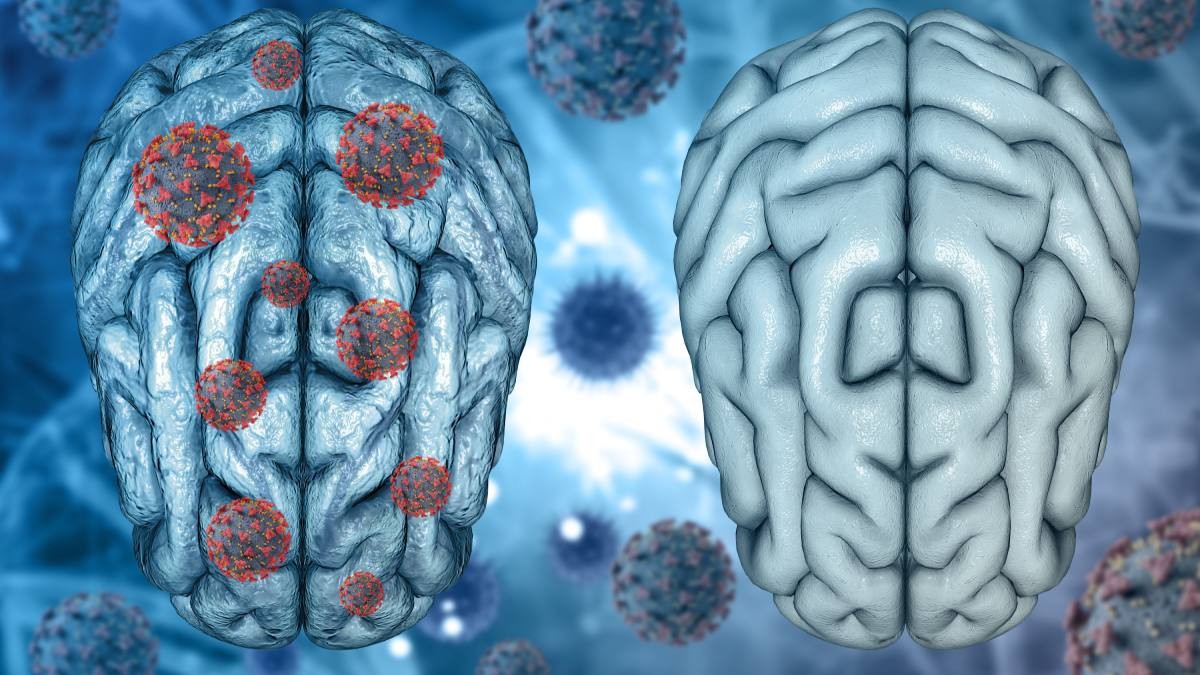
The fungus, Cladophialophora bantiana, can infect the central nervous system and cause brain abscesses—pockets of pus and infected tissue inside the brain. The infection is rare but potentially fatal, even if patients receive aggressive treatment.
According to a CDC report of October 2, 2026, detections at a clinical reference laboratory increased dramatically between 2023 and 2025. But researchers say the reasons for the increase are not clear, and the available figures do not represent a full count of infections across the country.
Related Articles


What is Cladophialophora bantiana?
Cladophialophora bantiana is a dark-pigmented mould found all over the world. It belongs to a group of fungi known to cause serious infections in humans.
Unlike many fungal infections that affect only the skin or lungs, this organism has a particular tendency to affect the brain. It can cause a fungal brain abscess, a collection of infected material, pus, and damaged tissue.
The infection can be difficult to diagnose because symptoms may mimic those of other neurological disorders. In some cases, brain lesions caused by the fungus may initially be mistaken for tumours.
Related Articles


According to the CDC report, infection with this fungus has been associated with a case-fatality rate of 60% to 70%, even with aggressive treatment. This figure is based on the medical literature and should not be interpreted as the outcome for every infected person.
The US Researchers Find Evidence of a Fourfold Increase in Detections
The CDC report examined the cases identified through fungal testing in a clinical reference lab at the University of Washington.
From January 2009 through July 2026, the laboratory identified 48 confirmed cases and one probable case. The cases came from 21 US states and the District of Columbia.
The annual figure remained between one and five cases from 2009 to 2023. It then increased to eight cases in 2024 and 14 in 2025.
Researchers also counted the number of central nervous system specimens submitted for testing. Between 2017 and 2023, the laboratory detected an average of 8.4 cases per 1,000 specimens. In 2025, that rate rose to 26 per 1,000.
This suggests that the increase cannot be explained only by a higher number of laboratory referrals. However, the results are from one reference laboratory and cannot measure exactly the number of infections in the United States.
The CDC has also said there is no routine nationwide surveillance system for this fungus. As a result, researchers still have limited information about its overall prevalence, transmission, and risk factors.
How does the fungus infect the brain?
There is no exact route of infection.
Researchers believe the fungus can enter the body when a person inhales fungal material or when it enters through an injury to the skin. It may then spread through the bloodstream to the brain.
Most cases reported in the CDC report were from brain or other central nervous system tissue samples. About 88% of the 49 cases were detected in these samples, while 12% were detected in lung samples.
The fungus is detected in lung samples as evidence of inhalation as one route of infection, but it also does not explain how every patient became infected.
Researchers also found the fungus is rarely isolated from environmental sources, so it is difficult to identify common exposure patterns.
Who is at risk of Infection?
People with weakened immune systems are more vulnerable to many serious fungal infections. Cladophialophora bantiana presents an additional challenge because it has also infected people without known immune-system problems.
The CDC report notes that almost half of patients with this infection have no recognised condition that weakens their immune system.
This means that the infection cannot be understood solely as a risk for people receiving immune-suppressing treatment or living with conditions that affect immunity.
At the same time, the small number of documented cases makes it difficult to know who is most likely to be infected. Researchers also have not yet had enough information to create a reliable profile of typical exposure or individual risk.
What symptoms can a Fungal Brain Abscess cause?
A brain abscess can cause symptoms when infected material and inflammation affect brain tissue. The symptoms depend on the location and extent of the infection.
Possible symptoms of a brain abscess include:
- Persistent or worsening headache
- Fever
- Nausea or vomiting
- Confusion or behaviour change
- Weakness or difficulty moving part of the body
- Problems with speech, memory, or vision
- Seizures
Such symptoms are not specific to Cladophialophora bantiana and can be found in many other medical conditions. Their presence does not necessarily mean someone has a fungal infection.
However, a severe or worsening headache accompanied by confusion, seizures, weakness, fever, or new neurological symptoms needs urgent medical assessment.
Because fungal brain infections are relatively rare and can resemble other diseases, diagnosis is generally based on specialist evaluation and laboratory testing.
Why is the Infection difficult to diagnose and treat?
One of the key challenges is that symptoms and brain imaging findings may resemble other diseases like brain tumours and infections caused by other organisms.
Experts may have to look at tissue samples and perform specialised laboratory tests to identify the fungus. Routine tests may not always find it, and diagnosis will require imaging, surgery or biopsy, and molecular testing.
Treatment is also complex. Antifungal medicines and, if necessary, surgery can be performed to remove the infected material. The particular patient’s situation and the location and extent of the infection will determine treatment.
The CDC report suggests that clinicians consider C. bantiana when evaluating patients with brain abscesses. Early recognition can help ensure that the right tests and treatment are conducted.
Even with treatment, outcomes can be poor, hence researchers stress the need for greater clinical awareness.
Why are cases increasing? Researchers Still Do Not Know
The reason for the apparent increase in detections remains unknown.
Some researchers have pondered whether environmental changes (e.g., warming temperatures) could affect fungi distribution or behaviour. Some fungi can tolerate warmer conditions, and environmental changes may influence the risk of fungal disease.
However, the CDC report does not establish climate change as the cause of the increase in C. bantiana infections. More research is needed to understand whether environmental conditions, changes in diagnosis, or other factors are involved.
The lack of nationwide surveillance also makes it difficult to determine how common the infection really is and whether the reported increase reflects a broader trend.
More systematic reporting on cases is needed, the report says, and public health experts need to better assess exposure patterns, risk factors, and changes in the disease over time.
What does this mean for Public Health?
The increase in detections does not mean that the fungus is common or that a widespread outbreak has been confirmed. The infection remains rare, and the reported numbers come from a single clinical reference laboratory. But the results point to how to recognise unusual fungal infections and how to monitor them.
For doctors, considering this fungus when investigating an unexplained brain abscess could help prevent delays in diagnosis. Researchers can understand why detections are rising and if the trend continues.
The main concern is not that all people are at risk of infection, but that there is a rare disease with potentially severe consequences that we do not yet know the full extent of.


Comments 0