
Your nails might seem like a small part of the body but the changes in their shape, texture and colour are of course very important clues to your overall health. From brittle or spoon-shaped nails to grooves, pitting and clubbing, some changes may be related to nutritional deficiencies, infections, trauma or underlying medical conditions.
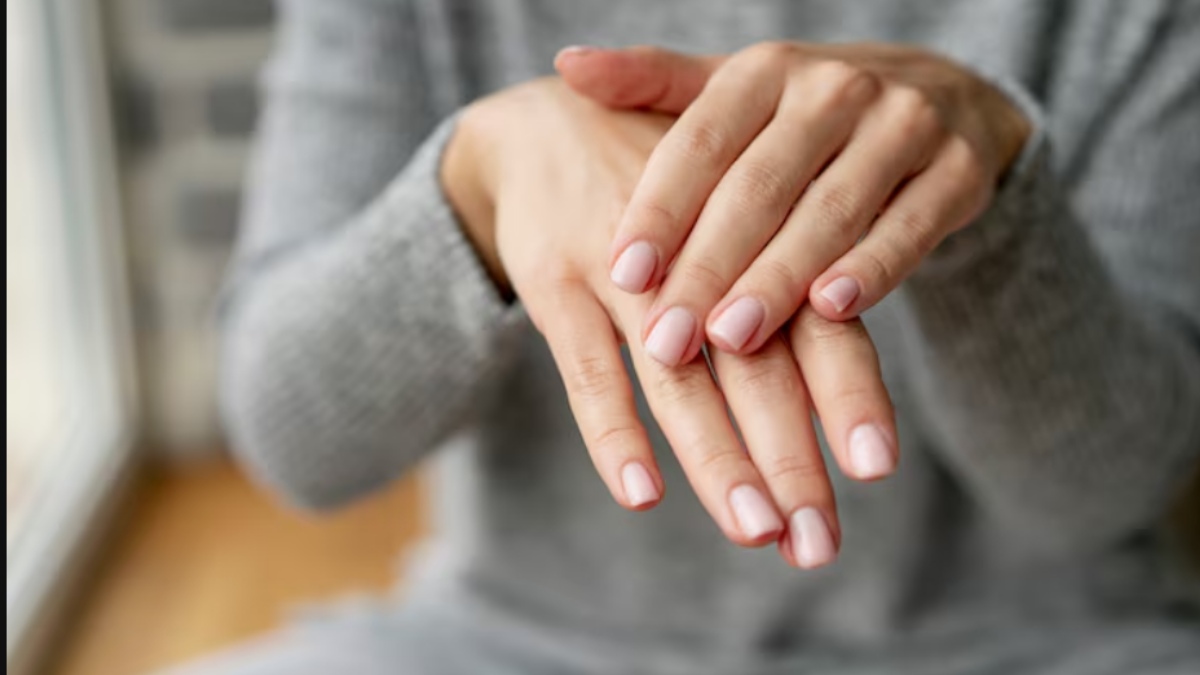
However, nail changes shouldn’t necessarily alarm. Nails can be affected by ageing, everyday injuries, nail cosmetics, infections, medications and systemic illnesses. The key is to look at persistent or unusual changes in context.
In an interaction with HT Lifestyle, dermatologist Dr Aparna Santhanam, Consultant Dermatologist, PD Hinduja Hospital and Medical Research Centre, Mahim, explained some nail changes that deserve attention.
Related Articles


Spoon-shaped nails may indicate iron deficiency
One thing to watch for is a change in nail shape. Koilonychia is commonly known as spoon nails and occurs when the nails become unusually thin and concave.
Dr Aparna did mention spoon-shaped nails may be associated with iron deficiency, though there are other causes. If this change is new or continues over time, it is advisable to consult a doctor. Iron supplements without checking for a deficiency shouldn’t be taken.
Horizontal grooves can follow illness or stress
Have you noticed horizontal lines or grooves running across your nails? These are Beau’s lines and can develop when nail growth is temporarily interrupted.
Related Articles


They may occur after a serious illness, high fever, severe physical stress, trauma or certain medications, Dr Aparna said. When several nails develop similar grooves, it can be helpful to consider whether you experienced an illness or major physiological stress several months earlier.
Nail clubbing should be evaluated
Clubbing is another nail change that needs medical attention. It happens when the fingertips get bulbous and the nails become more curved.
Dr Aparna recommends new-onset clubbing to be evaluated because it can be connected with underlying lung and other systemic conditions. It does not mean, however, every person with curved nails has a serious disease.
Nail pitting can have several causes
Tiny pinprick-like depressions on the nail surface are called nail pitting. They can happen with psoriasis and some inflammatory or autoimmune conditions. But pitting alone cannot establish a diagnosis.
What do nail colour changes mean?
Yellow or discoloured nails are typically caused by local conditions. Fungal infections, nail products and other external factors can also affect nail colour. Similarly, small white spots are associated with minor trauma and are not necessarily indicative of a lack of calcium.
Don’t diagnose yourself from your nails
Dr Aparna’s main message is that nails can give clues, but they should not be used to self-diagnose an illness. A dermatologist will consider the degree of change, the number of nails affected, the condition of the surrounding skin and any accompanying symptoms.
Changes that persist, especially those affecting multiple nails, have to be discussed with a healthcare professional. A doctor will either recommend blood tests or additional evaluation depending on the outcome.
Your nails can sometimes tell an important story about your health—but they are only part of the clinical picture and not a diagnosis by themselves.


Comments 0