
Hair colouring has become a popular way of expressing personal style but maintaining coloured hair is more than just maintaining its colour and shine. An 18-year-old with severe dandruff highlighted one of the biggest misconceptions among colour-treated hair: the risk of avoiding medicated anti-dandruff shampoos because we are afraid they will fade hair colour.
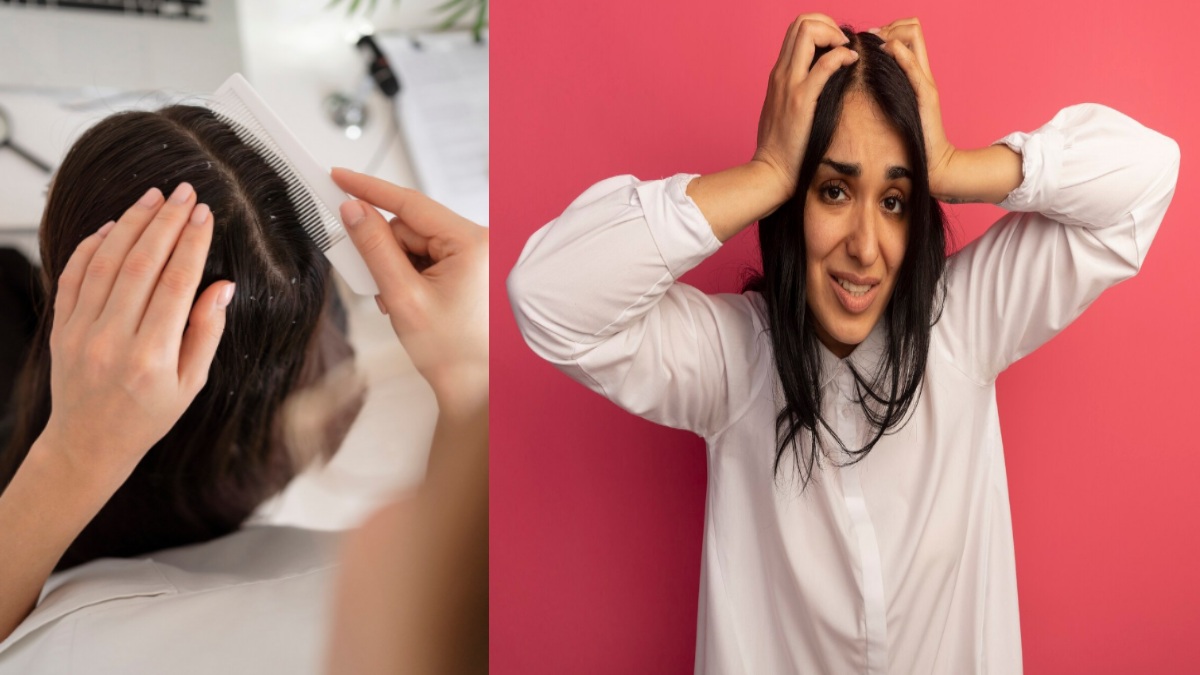
The case is a reminder that scalp health is not just cosmetic hair colour. Colour-safe hair products are important but failing to take control of dandruff or not getting treatment are only going to make scalp conditions worse and overall hair health worse.
The Case That Cited The Discussion
Dr. Praneeta Jain gave an example of an 18-year-old who had persistent dandruff, itching and scalp discomfort. The individual said they avoided using anti-dandruff shampoo because it would strip away the hair colour or cause it to fade more quickly.
Related Articles
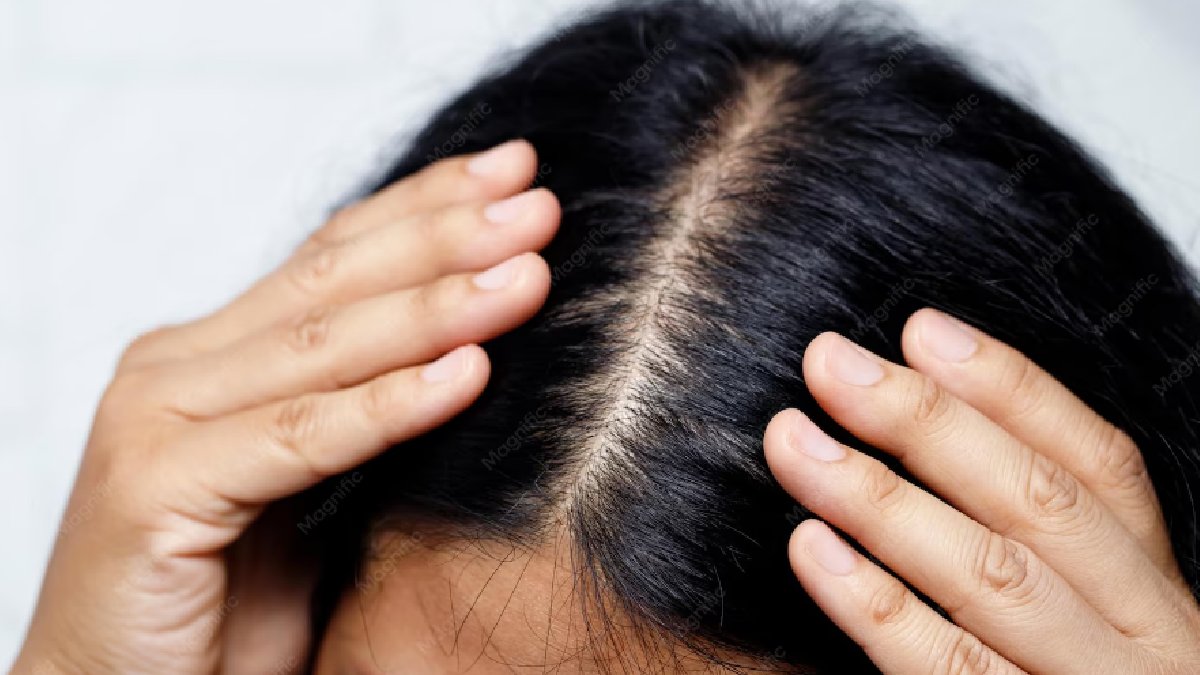

Instead, they relied only on colour-protecting shampoos and home remedies. The dandruff grew worse and worse and flakes, irritation and inflammation of the scalp followed.
The case is a good example of the fact that misinformation or fear about hair colour maintenance can often delay appropriate scalp care.
Why Scalp Health Is First
A healthy scalp is essential for healthy hair growth. In some cases dandruff, also known as seborrheic dermatitis, can cause:
Related Articles


- White or yellow flakes
- Persistent itching
- Redness
- Scalp irritation
- Oily patches
- Discomfort
If left untreated, dandruff may get worse and can lead to ongoing inflammation. Even if dandruff itself does not cause permanent hair loss, scratching and persistent scalp irritation may cause temporary hair shedding in some people.
The common mistake with colour-treated hair
Many people think all medicated shampoos will immediately damage hair colour. Some cleansing products may lead to gradual colour fading over time, but in general not treating scalp conditions is not the right solution.
As dermatologists often recommend that scalp treatment must be balanced with colour maintenance to avoid one or the other and not the other, rather than one or the other.
For example, a health professional might tell:
- Using a medicated anti-dandruff shampoo as directed
- Alternating it with a colour-safe shampoo if necessary
- Following this with a conditioner for colour-treated hair
- If scalp inflammation is present, schedule hair colouring after consulting a stylist or dermatologist
Hence the best routine is a matter of the scalp condition, hair type and colouring process.
What causes Dandruff
Several factors can lead to dandruff, among them:
- Overgrowth of Malassezia yeast, which lives naturally on the scalp
- Excess oil production
- Dry scalp
- Sensitivity to certain hair products
- Infrequent shampooing for some people
- Stress, which might worsen symptoms in some people
Identifying the underlying cause will help in the appropriate treatment process.
What are some ways to care for colour-treated hair with dandruff
If you have coloured hair and are dealing with dandruff, consider these practical tips:
1. Don't Ignore Persistent Flakes
Dryness is a symptom of dandruff and this is different from the constant dandruff that is present. If flakes, itching or redness persist after washing regularly, see a dermatologist.
2. Use Medicated Shampoos as recommended
Ketoconazole, zinc pyrithione, selenium sulfide or ciclopirox may be recommended depending on your condition. Medicated products should always be used as directed by your healthcare professional.
3. Choose Colour-Friendly Hair Products
When you don’t use medicated shampoo, use shampoos or conditioners made for colour-treated hair to maintain vibrancy.
4. Do not use excessive heat styling
Frequent use of straighteners, curling irons, and high-heat blow dryers can cause dryness and hair damage. Use heat-protectant products and keep temperatures moderate.
5. Moisturize Your Hair
On the lengths and ends of your hair, use nourishing conditioners or hair masks. Heavy conditioners are not recommended to be applied to the scalp and they may not be suitable for everyone.
6. Follow hair colour instructions
As a stylist, you should wait the recommended time before washing newly coloured hair and follow your stylist’s aftercare advice on colour longevity.
When to see a Dermatologist
If you have an experience, professional evaluation is recommended:
- Severe itching
- Thick yellow or white scales
- Bleeding from scratching
- Hair shedding accompanied by scalp inflammation
- Dandruff that does not improve with over-the-counter products after several weeks
A dermatologist can determine whether the problem is dandruff, psoriasis, eczema, a fungal infection or another scalp condition and recommend the most appropriate treatment.
Healthy hair starts with a Healthy Scalp
Maintaining coloured hair is important, but healthy hair starts with a healthy scalp. If you treat dandruff quickly, you will feel better, less flaking and more comfortable and create a better environment for healthy hair growth.
If you have concerns about using medicated products on colour-treated hair, consult a dermatologist instead of relying on myths or social media advice.
Dr. Praneeta Jain’s story of an 18-year-old with very severe dandruff is a reminder that scalp health is essential even for those with colour-treated hair. Not taking correct care of dandruff because of the fear of colour fading can lead to worse conditions and greater discomfort.
The right approach is a balanced haircare routine that treats scalp health and colour maintenance. With professional advice, proper products, and consistent care, it is possible to manage dandruff effectively while helping your colour-treated hair remain healthy and vibrant.


Comments 0