
For years, skincare routines have received most of the attention in the beauty and wellness world. From basic cleansing and moisturising to elaborate multi-step routines, people are increasingly willing to invest time and products in maintaining healthy skin. But one area is often overlooked: the scalp. As dandruff, hair fall, hair thinning, oiliness and scalp sensitivity are more frequent and prevalent, scalp care is becoming an integrated part of daily personal care.
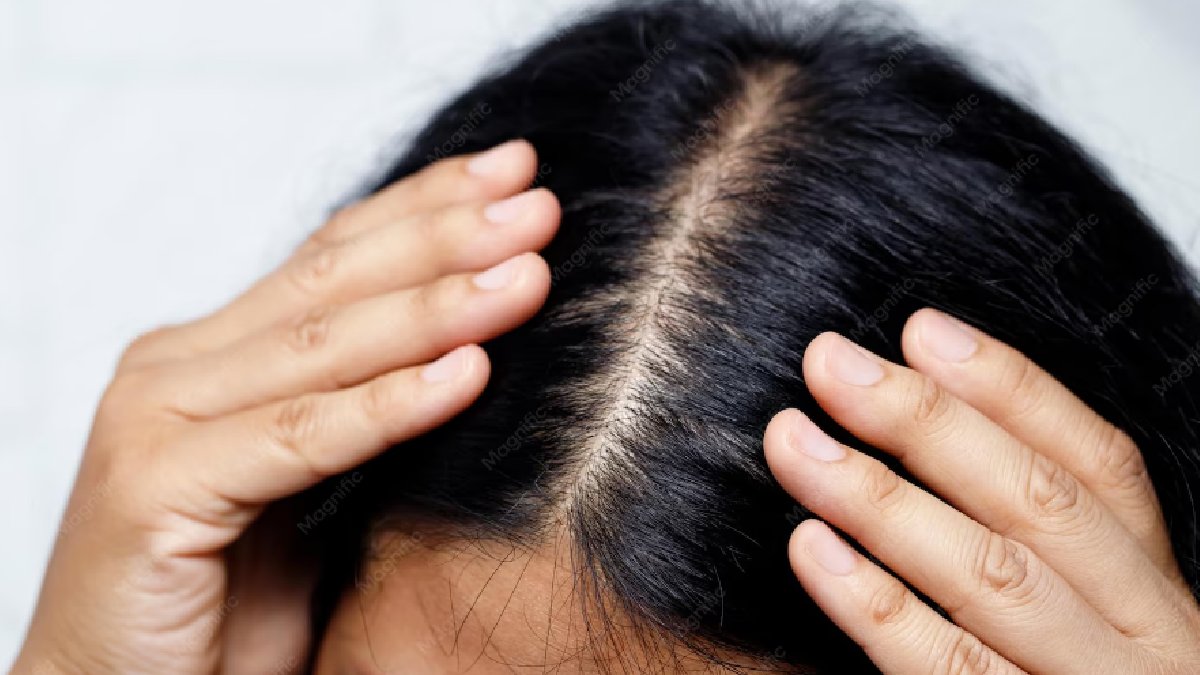
The scalp is an extension of the skin, after all, so it is a part of the skin. Well, shampooing is not the only way to take care of it; it's much more than shampooing of the hair with shampoo. Shampooing is useful for cleaning out dirt, sweat, excess oil, dead skin cells and product residue, but a good scalp is not so much so.
Why is Scalp Care Increasingly important?
Anand Bhatia, head of training at Lakme Salon, says consumers are more aware that many common hair problems occur on the scalp. Hair fall, thinning, oiliness, dryness, product build-up and sensitivity all have their roots in scalp health.
Related Articles
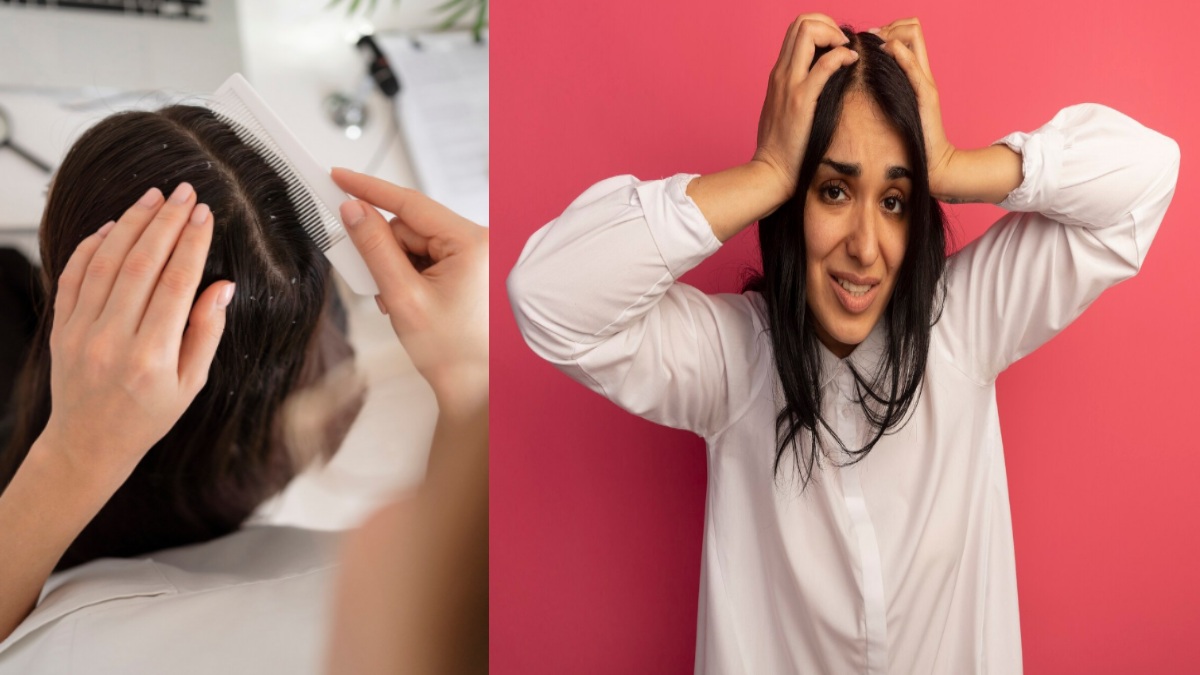

Consumers are now looking beyond surface-level haircare and looking for products for cleaning up, nourishing and rebalancing the scalp, Bhatia said. The interest is not a change in beauty habits alone and it is part of a broader phenomenon -- preventative care is as important as addressing visible issues.
Dr Madhuri Agarwal, founder and Medical Director of Yavana Aesthetics, also stresses the importance of scalp health. “The scalp is where healthy hair comes from,” she said, so a clean and well-managed scalp is the foundation for a stronger hair look in general.
Scalp Care Is More Than Shampooing
Regular cleansing is an important part of scalp hygiene but it is not sufficient to deal with every scalp problem. Depending on scalp type and condition, hydration, exfoliation and protection from environmental stressors may also be a part of the scalp care: hydration, exfoliation and protection from stressors.
Related Articles


Scalp-specific treatments are also gaining attention. These include scalp exfoliation, professional scalp peels, microneedling, laser-based treatments and hydrating scalp therapies. But such procedures should be carefully selected and, where appropriate, performed under professional or medical guidance.
Just as people choose skincare products according to whether their facial skin is oily, dry or sensitive, scalp products should also be selected according to individual scalp needs.
Identify Your Scalp Type
First on the map is how to know your scalp type when setting a scalp-care routine. A scalp can be oily, dry, normal or combination, the type and its requirements are dependent on weather, lifestyle, hormonal change and product use.
As an oily scalp, good products for cleansing can remove oil and product build-up without causing irritation to the skin. Salicylic acid, for example, could be useful in any formulation.
If you have a dry scalp, you must select a moisturising shampoo that doesn’t strip the scalp of natural oils. Glycerin and panthenol (if used to hydrate) can help with hydration as well.
A normal scalp may only need a mild shampoo with gentle cleansing agents as part of a regular routine. And a combination scalp might have greasy roots and drier lengths. In that case, concentrate shampoo on the scalp and apply conditioner primarily to the mid-lengths and ends.
Choosing Products for Common Scalp Concerns
Different scalp problems require different approaches. Anti-dandruff ingredients such as ketoconazole, zinc pyrithione or selenium sulphide, depending on the product formulation and availability of the product, can be used for dandruff and flaking. If persistent or severe dandruff is identified, it may be needed to see a dermatologist for proper management.
For excessive oiliness, products containing salicylic acid or effective but non-stripping cleansing agents may be appropriate. In case product build-up is a concern, an occasional clarifying product can help remove residue.
People with sensitive scalps may be better served by fragrance-free or gentle formulas containing fewer irritants. An itchy scalp may also need soothing products, but persistent itching shouldn’t be dismissed as cosmetic and should be treated.
For a dry or tight-feeling scalp, mild cleansers and hydrating ingredients can aid in supporting the scalp barrier and comfort.
Lifestyle Also Matters
Scalp health is not only driven by topical products. Internal health is also important, Dr Agarwal writes. A balanced diet, proper sleep and regular exercise will contribute to overall hair and scalp health.
Nutrition is very important because hair growth depends on sufficient nutrients. Supplementing the body with more than one diet for normal hair growth and overall well-being than supplements or trendy treatments are unlikely to be sufficient.
Haircare: A New Way.
That there is more hair care is becoming a big part of the conversation about beauty is much larger than the number of hair cuts to the scalp. People are really paying attention to the environment in which hair grows, and these days they don’t just want to see hair growing the way it looks.
A healthy scalp doesn’t necessarily require a complex 10-step process. Good cleansing, proper products, mild handling and staying on top of the symptoms are all important. The most effective routine is one that corresponds to the individual’s scalp type rather than the latest beauty trend.
Beauty routines change as scalp care is integrated into them, and in the end the message is clear: healthy hair starts with the scalp. And when one starts treating the scalp as part of a skincare routine, better hygiene is achieved; more product choices are made; and concern is brought to light more quickly, and the problem is not ignored.


Comments 0