
Protein is one of the most vital nutrients in the body and is essential in the building and maintenance of muscles, bones, skin (from the inside out), hair, blood, and other tissues. It is also involved in immune function and many processes needed for normal growth and repair.
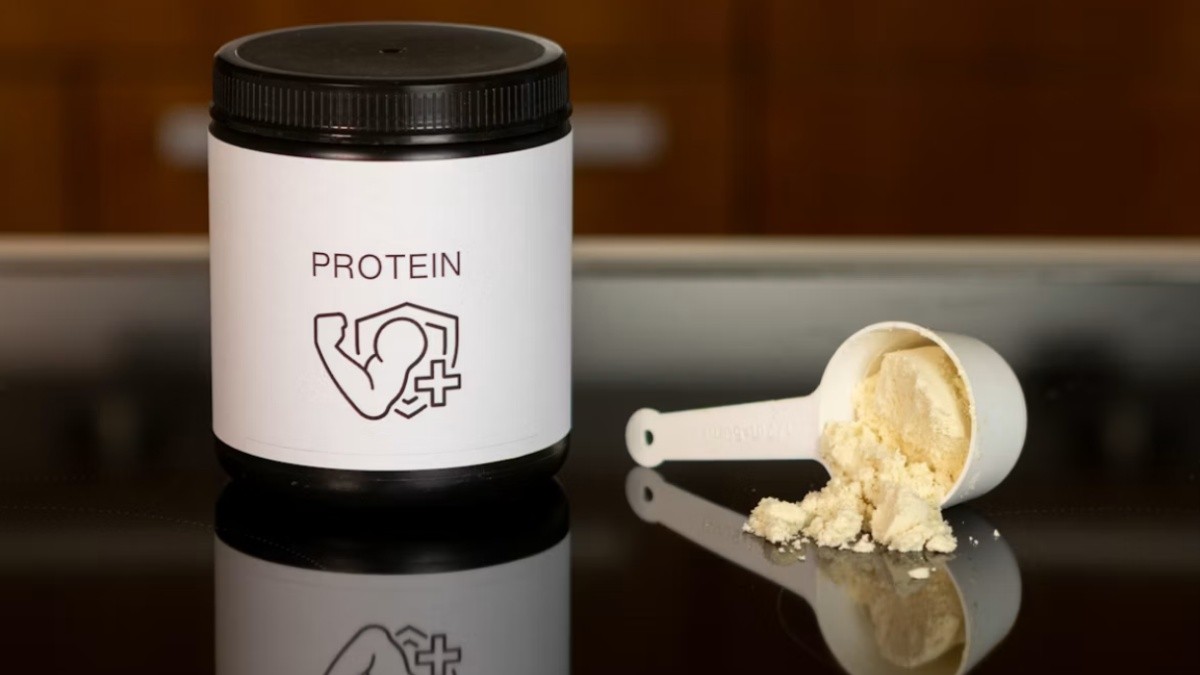
Despite the fact that severe protein deficiency is not common among otherwise well-nourished individuals, inadequate protein intake may happen in addition to general undernutrition or other health conditions. Poor appetite, problems absorbing nutrients, chronic illness, or increased nutritional needs may put you at greater risk.
Protein deficiency doesn’t always lead to one obvious symptom. Rather, there are likely to be many changes that will emerge slowly. Here are 10 signs that can occur when your body is not getting enough protein.
Related Articles


1. Unexplained Weight Loss
Unintentional weight loss is one of the most obvious signs of poor nutrition. If the body is lacking in calories and protein, it can use stored fat and eventually break down muscle tissue for energy.
Losing weight without trying, particularly when accompanied by weakness, reduced appetite or other symptoms, shouldn’t necessarily be attributed to low protein. The NHS considers unintentional weight loss of 5% to 10% of body weight over three to six months a possible sign of malnutrition.
2. Loss of Muscle Mass
Protein provides the amino acids needed to maintain and repair muscle tissue. If protein and overall calorie intake remain inadequate for a long time, the body can break down muscle protein to meet its needs.
Related Articles


Because of this, smaller muscles, weakened strength, and difficulty performing activities that were previously easy can occur. Muscle loss is probably one of the most well-known consequences of significant protein-energy undernutrition.
3. Constant Fatigue and Weakness
With undernutrition, we can feel tired or weak despite adequate rest. Not enough protein is also a result of a lack of other nutrients and calories, and fatigue alone cannot be ruled out.
The NHS lists persistent tiredness and weakness as among the common signs of malnutrition.
4. Hair Thinning or Hair Loss
Hair growth needs nutrition from protein. If the body is under nutritional stress, it may prioritize vital organs and other functions over hair production.
Thus, people with significant protein or nutritional deficiency will have brittle hair, thinning, and/or hair loss. But hair loss could also be due to hormonal fluctuations, stress or nutritional deficiencies.
5. Changes in Skin
Inadequate protein may also be felt on the skin. People with significant nutritional deficiency can develop dry, fragile or less elastic skin, and wounds and other skin problems may take longer to heal.
Protein is important for tissue maintenance and repair, so prolonged deficiency may interfere with the body’s ability to maintain healthy tissues.
6. Slow Wound Healing
Protein is needed to repair damaged tissue, so the body needs protein in order to heal. Failing to provide adequate nutritional intake can slow the wound healing process down.
Slow-healing wounds can be caused by diabetes, poor circulation, infection and other nutritional deficiencies. So, persistent problems with healing should be assessed by a healthcare professional rather than be attributed directly to low protein alone.
7. Getting Sick More Often
Protein contributes to the production of antibodies and supports the immune system. Protein-energy undernutrition can therefore affect the body’s ability to respond to infections.
Frequent illness, particularly when associated with weight loss, muscle weakness or other indicators of undernutrition, may need to be evaluated for overall nutritional status.
8. Swelling in the Legs or Other Areas
Swelling, often referred to as edema, can occur in cases of severe protein deficiency. One reason is that low levels of albumin, a protein found in the blood, can impact the balance of fluid between the blood and surrounding tissues.
But swelling is not a specific sign of protein deficiency. Kidney, liver, and heart diseases, among other problems, can also lead to edema. New or persistent swelling should therefore be medically evaluated.
9. Feeling Cold More Often
Undernourished people can also feel unusually cold sometimes. Protein-energy undernutrition can cause lower body temperature, and general malnutrition can also make people feel cold more frequently.
Such a symptom alone does not indicate protein deficiency. Thyroid problems, anemia, low body weight and several other conditions can also cause increased sensitivity to cold.
10. Changes in Appetite and Concentration
Poor nutrition can affect more than physical appearance. A person who is not eating enough will have a lower appetite, have difficulty focusing, be weaker, and may experience mood changes.
The NHS lists reduced appetite and poor concentration as possible symptoms of malnutrition. In severe protein-energy undernutrition, irritability and impaired cognition can also occur.
When Should You Get Checked?
It doesn’t mean you have a protein deficiency if you have one of these symptoms. Many of these symptoms (fatigue, hair loss, weight changes, swelling, etc.) are likely to be related to a wide range of medical or nutritional conditions.
The concern is greater when several symptoms occur together, particularly unexplained weight loss, muscle weakness, frequent infections, poor appetite or slow wound healing. People with difficulty eating, digestive disorders that affect nutrient absorption, chronic diseases or increased nutritional needs may also need closer attention to their nutritional intake.
A healthcare professional can assess dietary intake, weight changes and other symptoms and may recommend blood tests or further investigations as necessary. Low blood protein results do not necessarily mean that a person needs more protein, because liver disease, kidney disease, inflammation and problems with nutrient absorption can all play a role in protein levels.
How to Get Enough Protein
For most people, the goal should be a balanced diet that includes appropriate protein sources rather than relying on supplements without a clear need. Protein comes from foods such as eggs, dairy products, fish, meat, beans, lentils, soy, tofu, nuts and other pulses.
The amount that a person needs varies according to factors such as age, body size, activity level and health status. People with specific medical conditions or nutritional concerns may need individual guidance from a doctor or registered dietitian.
Protein deficiency is not something that should be diagnosed from symptoms alone. Persistent or unexplained changes in weight, strength, appetite, hair, skin, or general health should be discussed with a healthcare professional.


Comments 0