
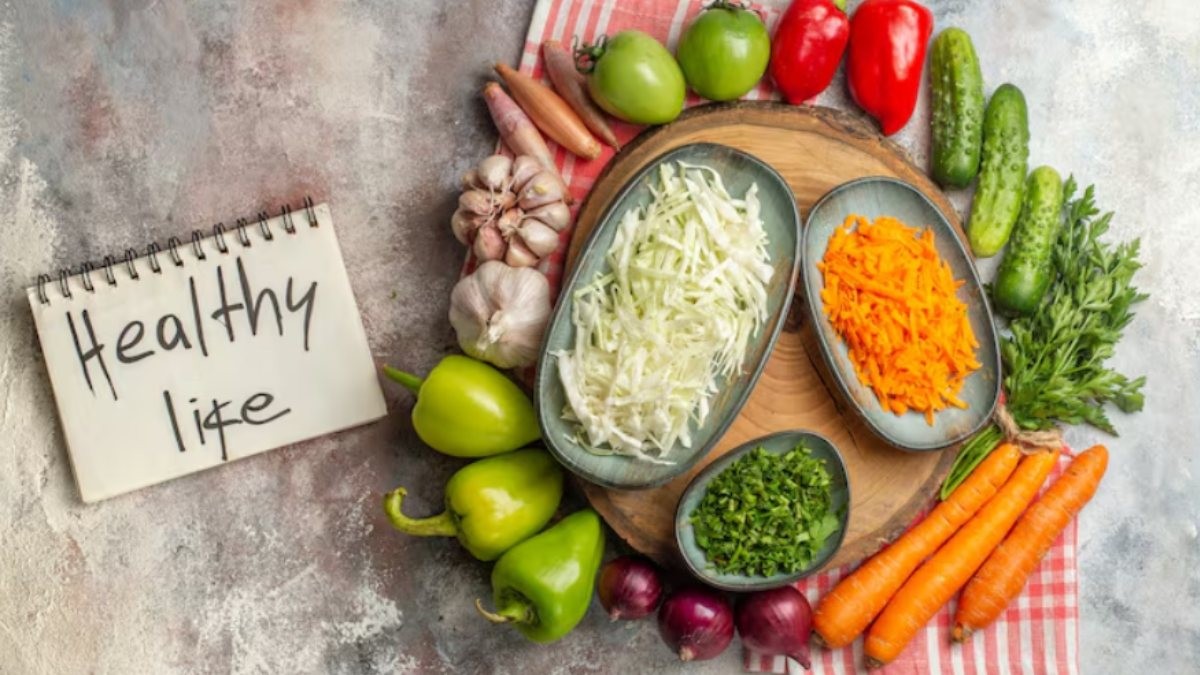
A balanced diet is more than energy. Everyday foods can be good for various organs and body systems, including eyes and brain, heart, bones, skin and digestive system. Not a single food can guarantee perfect health and eating a variety of nutrients regularly can be a good thing and should be a part of healthy eating.
Foods for Healthy Eyes
Carrots are known to support eye health as they have beta-carotene in them, which the body can convert into vitamin A. For eye health, leafy greens such as spinach and kale have lutein and zeaxanthin.
Eggs may also contain lutein, zeaxanthin and other nutrients. Fatty fish such as salmon and sardines have omega-3 fatty acids which are critical for normal eye function.
Related Articles


Foods for a Healthy Heart
Heart-friendly eating is based on vegetables, fruits, whole grains, legumes, nuts, seeds and fish. Oats and other whole grains offer dietary fibre and nuts like almonds and walnuts provide unsaturated fats.
Fatty fish can provide omega-3 fatty acids. Replacing high saturated fats with sources of unsaturated fats can be part of heart-healthy eating habits.
Foods That Support Brain Health
In order to function properly, the brain needs a steady supply of nutrients. Fatty fish, walnuts, flaxseeds and chia seeds provide omega-3 fatty acids.
Related Articles


Berries, vegetables and other plant foods provide antioxidants and other beneficial compounds. Whole grains and legumes can also contribute important nutrients and fibre to a balanced diet.
Foods for Strong Bones
Calcium and vitamin D are necessary for healthy bones. Milk, yoghurt and other dairy products provide calcium, and some fortified foods have calcium and vitamin D.
Leafy green vegetables, tofu with calcium and some fish can also provide calcium. Physical activity, especially weight-bearing exercise, is also a necessary part of maintaining bone strength.
Foods for Healthy Skin
Protein, vitamins, minerals and healthy fats can be good for skin health in a diet with sufficient protein, vitamin C, and minerals and fats. Citrus fruits, guava, strawberries and bell peppers provide vitamin C and are essential for collagen production.
Nuts and seeds are good for vitamin E and healthy fats. Fluids must also be kept in check for normal body functions and good skin hydration.
Foods for a Healthy Digestive System
Fibre is really important for digestive health. Fruits, vegetables, beans, lentils, oats and whole grains can help increase fibre intake.
Foods containing probiotics, such as yoghurt with live cultures, may also support the gut microbiome. When you increase fibre, drinking enough water can help the digestive system adapt.
Foods for Healthy Muscles
Protein provides amino acids that are necessary to build and maintain muscles. Eggs, fish, dairy products, beans, lentils, soy foods, nuts and seeds can all contribute protein.
Combining adequate protein with regular physical activity can help support muscle health.
A Balanced Plate Matters Most
Instead of concentrating on one superfood, aim for variety. Include colorful fruits and vegetables, whole grains, protein-rich foods and healthy fats in your meals.
The best diet for long-term health is one that provides a broad range of nutrients while limiting excessive amounts of added sugar, salt and highly processed foods. If you have a medical condition or specific dietary requirements, consult a qualified healthcare professional before making major dietary changes.


Comments 0