
The Democratic Republic of the Congo (DR Congo) is fighting one of its deadliest Ebola outbreaks, with the number of confirmed and probable cases reaching 3,553, while the death toll has climbed to 1,558, according to the latest public health update.
Ebola virus disease (EVD) is a serious and often fatal disease caused by the Ebola virus. Infected people or animals’ blood, body fluids, or tissues and other infected objects such as needles and medical equipment also come into contact with the virus. The virus does not spread in the air like flu or COVID-19.
Health officials in DR Congo, working in partnership with WHO and international partners, continue to strengthen surveillance, contact tracing, laboratory testing, vaccination campaigns, and treatment in the affected areas. These are key to identifying new cases in a timely manner and avoiding further community transmission.
Related Articles
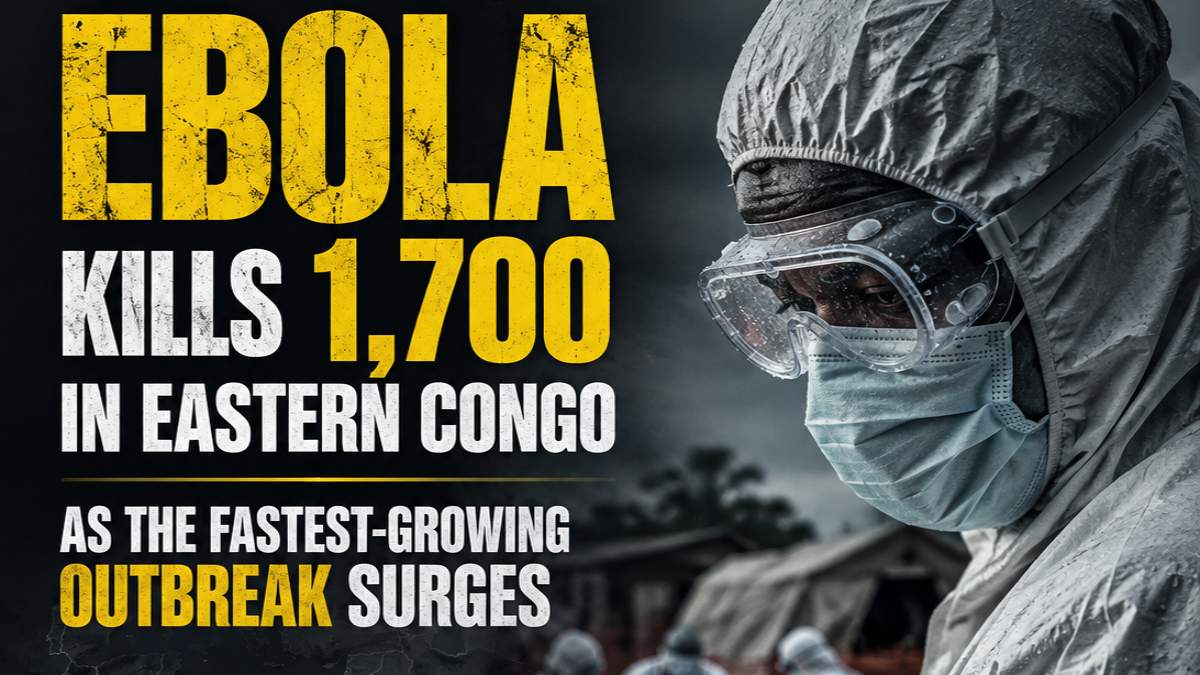

There is widespread pressure on the country’s health system, particularly in remote and conflict-affected areas where access to medical facilities is limited. Health workers face many hurdles in reaching vulnerable communities and conducting contact tracing and providing timely treatment to infected patients.
The most common symptoms of Ebola are sudden fever, severe headache, muscle pain, weakness, sore throat, vomiting, diarrhoea, stomach pain, and unexplained bleeding or bruising. Symptoms usually occur between 2 to 21 days after exposure to the virus. Early diagnosis and appropriate medical treatment greatly increase survival rates.
Public health professionals believe that community awareness remains one of the best tools to respond to Ebola outbreaks. Infection control professionals advise avoiding contact with infected persons, practicing hand hygiene, reporting suspected cases quickly, and following local health advice. Safe burials are also important, as the virus can spread after death.
Related Articles


Vaccination is now a key part of the Ebola response. The use of approved vaccine recommendations for high-risk contacts and frontline healthcare workers has helped to prevent transmission in several previous outbreaks. There is an ongoing focus on vaccination as well as on the continued availability of treatment centres with health facilities.
Although the outbreak is mainly centered in DR Congo, global health agencies are closely monitoring the situation to minimize the possibility of cross-border transmission. Neighboring countries have increased their surveillance at border crossings, airports, and health facilities to detect any cases in advance.
The World Health Organization and humanitarian organizations continue to provide technical assistance, medical supplies, and funding to assist DR Congo in containing the outbreak. International cooperation is of utmost importance for the control of Ebola and for the protection of regional and global public health.
As the number of cases and fatalities continues to rise, health professionals stress the importance of sustained surveillance, rapid response, vaccination, and public awareness. Progress in the prevention and treatment of Ebola has been made over the last 10 years, but continued vigilance is necessary to stop the outbreak and save lives.


Comments 0