
Ebola outbreak in eastern Democratic Republic of Congo (DRC) has already claimed more than 1,700 lives, making it one of the fastest-growing Ebola outbreaks in the region’s history. The expanding epidemic has also brought the health emergency at an international level out of control as health authorities in the region, international aid agencies, and global public health agencies respond more aggressively to prevent further spread.
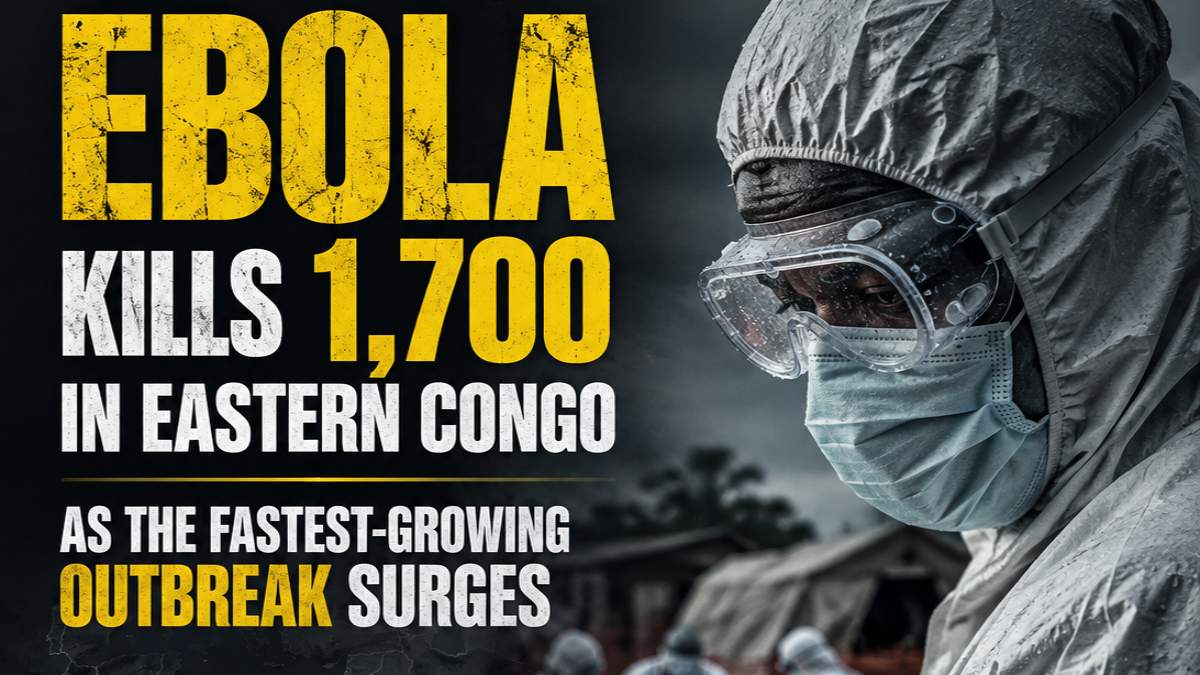
Though efforts are ongoing, the outbreak continues to pose a major threat because there is ongoing conflict, population displacement and limited access to healthcare in the affected areas.
A Rapidly Escalating Health Emergency
Related Articles

Health officials say the disease has spread rapidly in some parts of eastern Congo with weak healthcare infrastructure and security issues making containment efforts more difficult.
The Democratic Republic of Congo has experienced several Ebola outbreaks in the past but this time the situation is more grave because of the rapid rise of infections and fatalities.
How Authorities Are Responding
Related Articles


To control the virus, health organizations have taken steps to contain the disease such as:
Ebola vaccination campaigns on a large scale. Isolation and treatment of infected patients. Contact tracing to identify and monitor exposed individuals. Awareness and public health education. Strengthening infection prevention and control measures at healthcare facilities.
International organizations are also providing medical supplies, trained personnel and logistical support to assist local health authorities.
Challenges Hampering Containment
The outbreak has been particularly difficult to contain due to several reasons:
Ongoing armed conflict in parts of eastern Congo. Displacement of communities. Limited access to remote and affected areas. Healthcare workers and medical resources are scarce. Public mistrust and misinformation in some areas.
These challenges have complicated surveillance efforts and delayed treatment for many patients.
Recognizing Ebola Symptoms
Ebola is a severe viral disease which can be transmitted through direct contact with the blood or bodily fluids of an infected person and/or contaminated materials. It is not circulated through the air as influenza or COVID-19.
Common symptoms include:
Sudden high fever. Severe headache. Muscle pain and weakness. Vomiting and diarrhea. Fatigue. Unexplained bleeding or bruising may also occur in some cases.
Early diagnosis and supportive medical care can significantly improve survival chances.
Importance of Early Reporting
Health officials are calling for communities to report suspected cases immediately and seek medical care at designated healthcare facilities. Early detection, rapid isolation and treatment, for example, is the most effective means of reducing transmission and enhancing patient outcomes.
People should also cooperate with contact tracing teams and follow infection-control measures.
Global Health Concern
The outbreak is concentrated in eastern Congo but international health agencies are monitoring the situation closely in order to prevent cross-border transmission.
The WHO and humanitarian partners are still involved in the response efforts and have said that surveillance, vaccination and community participation are crucial to control the outbreak.
Key Takeaway
Ebola outbreak in the Democratic Republic of Congo has become one of the region’s most serious public health emergencies with more than 1,700 lives lost. Health professionals are continuing vaccination efforts, medical care and surveillance efforts but there’s still conflict and limited access to healthcare as well.
Public health experts stress that early reporting of symptoms, strict infection-control practices, and continued international support are essential to slowing the spread of the virus and protecting vulnerable communities.


Comments 0