
Hair fall is a common concern that can affect people from different stages of life and losing some hair every day is generally considered normal. If hair shedding gets more and more heavy, continuing for a long period or coming on in combination with other changes in the body, it may indicate a health issue.
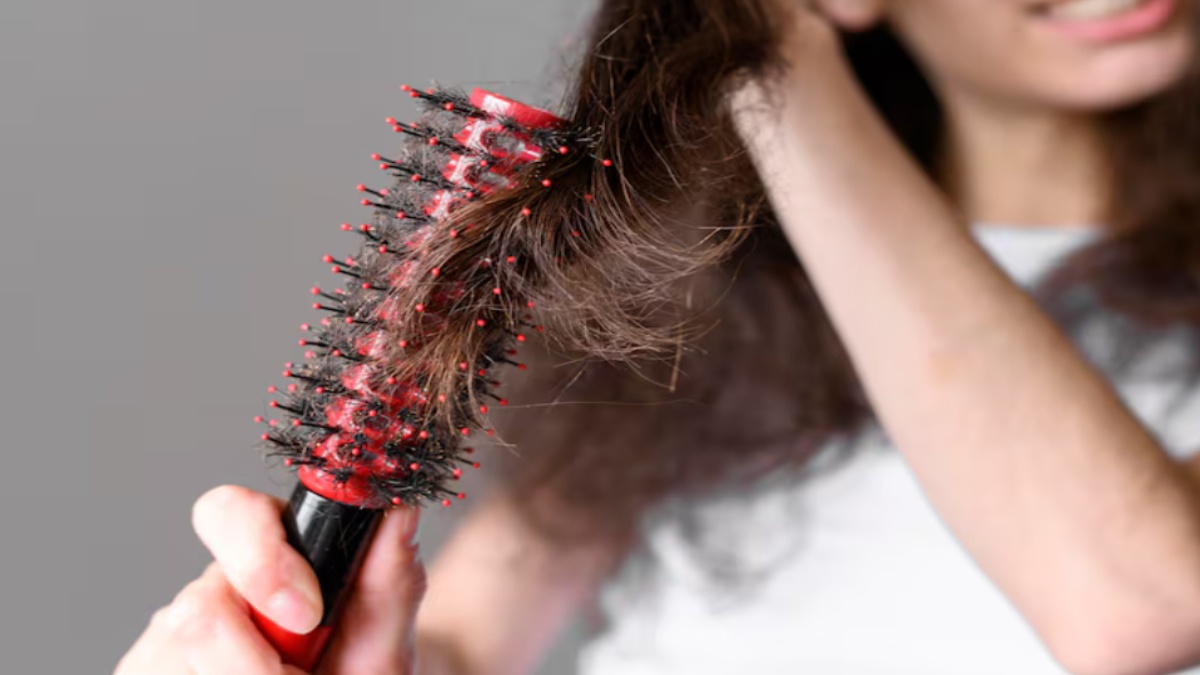
Hair growth is determined by hormones, nutrition, genetics, stress, medication and overall health and, therefore, hair loss should not always be dismissed as cosmetic.
Normal hair growth is a process of growth, transition, and shedding. So naturally the strands will fall out. The problem arises when the balance of hair growth and shedding becomes very different. People might find more hair on their pillow, comb, brush or while washing their hair. Some may also see a gradual loss of hair density or areas of the scalp that appear to get darker and more visible.
Related Articles


One possible reason for increased hair shedding is nutritional deficiency. Hair follicles require the nutrients to grow, and insufficient or incomplete intake or absorption of certain nutrients may contribute to hair loss. Iron deficiency, for instance, may cause increased shedding particularly in people at risk of low iron levels.
Other nutritional factors may also be relevant depending on a person's overall diet and health. However, taking supplements without identifying a deficiency is not necessarily helpful and, in some cases, excessive intake of certain nutrients can cause problems.
Thyroid disorders are another health condition that can be associated with changes in hair growth. An underactive thyroid and an overactive thyroid have similar effects on all parts of the body and hair can change together with other symptoms such as changes in energy levels, sensitivity to temperature, weight change or change in heart rate. Just hair loss does not mean that someone has a thyroid disorder, but persistent shedding in combination with other symptoms may be a cause for medical evaluation.
Related Articles


Hormonal changes can also impact hair growth. Changes associated with puberty, pregnancy, the period after childbirth and menopause can affect the hair-growth cycle.
Some hormonal conditions may also cause hair density or distribution changes. As hormonal symptoms may be very diverse and have multiple explanations, persistent or sudden changes are best discussed with a qualified healthcare professional rather than cosmetic products alone.
Stress is a common reason for temporary hair shedding. For example, after a delay in the normal hair-growth process, significant physical or emotional stress can sometimes disrupt the normal hair-growth cycle and cause increased shedding. Such shedding can happen after a serious illness, extreme emotional stress, huge changes in routine or other physiological stress. The hair-growth cycle can gradually return to normal after the underlying trigger is identified and addressed.
Certain medications can also cause hair loss as side effects. The likelihood of hair loss depends on the medication, dosage, individual circumstances and type of hair loss. It’s not a good idea to stop taking prescribed medicines just because we see more shedding. Instead, we should discuss the change with our doctor, who can determine whether the medication is contributing and whether an alternative approach is appropriate.
Hair loss can be related to conditions that have an impact on the scalp or hair follicles. Some inflammatory or autoimmune diseases may cause distinct patches of hair loss. Scalp infections and other dermatological conditions may affect hair growth.
Genetics also plays a major role in hair loss. Pattern hair loss can develop gradually and may run in families. It can affect both males and females, but the pattern and progression can differ. Genetic hair loss doesn’t necessarily mean that your health is poor, but early detection of hair loss can help healthcare professionals explain the available management options.
Another aspect to consider is that hair loss can happen after an illness. Some people begin to shed more after recovering from a significant infection or other physical stress on the body.
Since hair growth operates on a delayed cycle, the shedding may become noticeable weeks or months after the triggering event. It’s also harder to connect the hair fall to something that happened earlier.
Changes in eating habits can affect hair health. Extreme diet restrictions, insufficient protein intake and significant changes in body weight may put additional stress on the body and potentially affect hair growth. Eating a balanced diet that provides adequate protein, vitamins and minerals is generally important for overall health, including healthy skin and hair.
The way hair is treated can contribute to breakage and apparent hair loss as well. Frequent heat styling, tight hairstyles, harsh chemical treatments and excessive mechanical pulling can damage the hair shaft.
In such cases, the problem may involve hair breakage rather than hair shedding from the follicle. Distinguishing between the two can be important because the causes and management approaches are different.
Certain warning signs should encourage a person to seek professional advice. These include sudden or rapidly increasing hair loss, clearly visible bald patches, significant scalp changes, hair loss accompanied by other unexplained symptoms, or shedding that persists without an obvious reason. A doctor or dermatologist can examine the scalp, review medical and family history and determine whether further evaluation is appropriate.
Within the context of healthcare, a healthcare professional may ask about diet, recent illnesses, stress, medications, hormonal changes and family history. If an underlying condition is suspected, appropriate tests may be recommended. Testing should be guided by symptoms and medical history rather than performed indiscriminately.
It is also important to be cautious about products that promise to stop hair fall immediately. Shampoos, oils, supplements and cosmetic treatments may have a role in hair care, but they cannot necessarily address an underlying medical condition. Claims of guaranteed or extremely rapid results should be treated carefully. The right approach depends on the cause of the hair loss.
Hair fall, therefore, should not automatically be interpreted as evidence of a serious health problem. In many cases, it can be temporary, hereditary or related to everyday hair practices. At the same time, persistent or unusual shedding can occasionally provide an early clue that something else deserves attention. Looking at hair loss in the context of a person's overall health is more useful than focusing only on the number of strands being lost.
Hair fall for more than 3 months?
— Dr. Kavitha Dev (@DrKavithadev) August 11, 2026
🚨 Don’t ignore it.
If you’re losing more hair than usual for just a few days, it may not mean much.
But when hair fall continues for 3 months or longer, it’s time to ask WHY.
It could be:
• Iron or vitamin deficiencies
• Thyroid… pic.twitter.com/InvohMbV8x
The most important message is that hair fall is a symptom rather than a diagnosis. A change in hair shedding does not by itself identify a specific illness. If the pattern is unusual, persistent or accompanied by other physical changes, professional medical advice can help determine the cause. Early evaluation may also prevent people from spending time and money on treatments that do not address the underlying problem.
Healthy hair is more than cosmetic care. Nutrition, hormones, genetics, stress, medications, scalp health and general wellbeing are involved in hair growth. Paying attention to significant changes and having proper medical advice can help distinguish ordinary shedding from hair loss that needs further investigation.


Comments 0