
UVA lamps are commonly employed in tanning beds, cosmetic treatments, and some medical therapies. While they might provide a bronzed appearance (or be used for a specific therapeutic purpose) under medical supervision, excessive use of UVA radiation can have grave effects on skin health. Long-term use of UVA lamps is a serious risk for skin cancer, increases skin aging, and can damage the eyes.
Unlike UVB rays, which mainly produce sunburn, UVA rays penetrate the skin deeper. This deeper penetration can lead to long-term skin damage that may not be visible immediately. While people may believe indoor tanning is safer than sun exposure, research has shown that repeated exposure to UVA radiation is harmful.
What are UVA lamps
UVA lamps emit ultraviolet A (UVA) radiation, which has a longer wavelength than UVB radiation. These lamps are commonly found in:
Related Articles


- Indoor tanning beds and tanning booths
- Cosmetic tanning devices
- Some dermatology clinics for medically supervised phototherapy
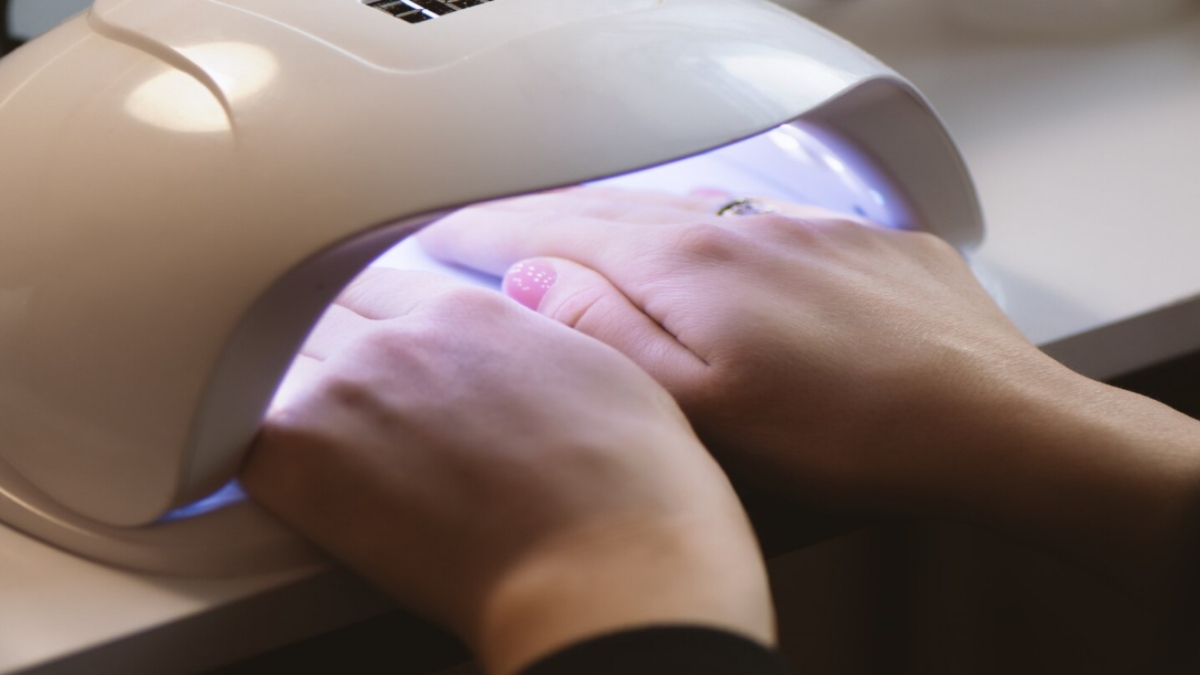
- Some nail-curing lamps, which also emit UVA light (though exposure patterns differ)
In dermatology, UVA light can be used as part of prescribed treatments for psoriasis, eczema, or vitiligo (as recommended). Healthcare professionals carefully monitor the treatment to prevent side effects and take into account the nature of the disease and the need for its treatment. A more recreational or cosmetic application of UVA tanning devices often involves repeated exposure and is therefore not the same as being treated for a medical reason.
How excessive UVA exposure affects the skin
UVA rays penetrate into the deeper layers of the skin, where they can damage collagen, elastin, and the DNA in skin cells. After repeated exposure, this can lead to:
- Premature wrinkles and fine lines
- Loss of skin elasticity
- Uneven pigmentation and age spots
- Dry, leathery skin
- DNA damage that can lead to the development of skin cancer
Unlike sunburn, which is commonly a sign of UV damage in the face of the sun soon; UVA damage can accumulate quietly over years of time.
Related Articles


How can UVA lamps cause skin cancer
According to dermatologists and leading health professionals, excessive exposure to UVA radiation is linked to increased skin cancer risk. While skin cancer is influenced by many factors, including genetics, cumulative UV radiation exposure, skin type, and medical history, frequent use of UVA tanning devices is associated with a higher incidence of skin cancer.
Potential skin cancers associated with excessive UV exposure are:
- Melanoma, the most serious form of skin cancer
- Basal cell carcinoma, the most common type
- Squamous cell carcinoma, which can spread if left untreated
It has been found that individuals who frequently use indoor tanning devices are at higher risk of melanoma than those who do not.
Other health risks of UVA lamps
Beyond skin cancer, excessive UVA exposure may also contribute to:
- Premature skin aging (photoaging)
- Hyperpigmentation and sunspots
- Eye damage, including cataracts and retinal injury if proper eye protection is not used
- Reduced skin immune function
- Increased sensitivity in people taking certain medications
These effects show the necessity to minimize unnecessary exposure to UVA.
Warning signs you should never ignore
If you regularly use tanning beds and have a long history of high UV exposure, look for changes in your skin. Consult a dermatologist if you notice:
- A new mole or skin growth
- A mole changing in size, shape, or color
- A sore that does not heal
- Persistent itching or bleeding from a skin lesion
- Dark patches or unusual pigmentation
Early detection is crucial to successful treatment of skin cancer.
How to protect your skin
You can reduce the risk of UV-related skin damage by adopting healthy skin-care practices:
- Avoid recreational use of tanning beds and UVA lamps whenever possible
- Wear broad-spectrum sunscreen with SPF 30 or higher when outdoors
- Use protective clothing, sunglasses, and wide-brimmed hat
- Seek shade during peak sunlight hours, typically between 10 a.m. and 4 p.m
- Schedule regular skin examinations, especially if you have many moles or a family history of skin cancer
- Use UVA-based medical treatments only under the supervision of a qualified healthcare professional
While UVA lamps have legitimate medical applications when prescribed and monitored by healthcare professionals, excessive or cosmetic use increases the risk of skin damage and skin cancer over time. A tan is not a sign of healthy skin it is the skin's response to UV-induced damage.
Protecting your skin today can reduce the likelihood of long-term complications. If you are concerned about your skin, notice suspicious changes, or are considering UV-based treatments, consult a qualified dermatologist for personalized advice. Limiting unnecessary UVA exposure and practicing effective sun protection are important steps toward maintaining healthy skin for years to come.


Comments 0