
Your eyes tell more about your health than how well you can see. Doctors may be able to detect changes in the blood vessels at the back of the eye that may be related to high blood pressure or cardiovascular disease.
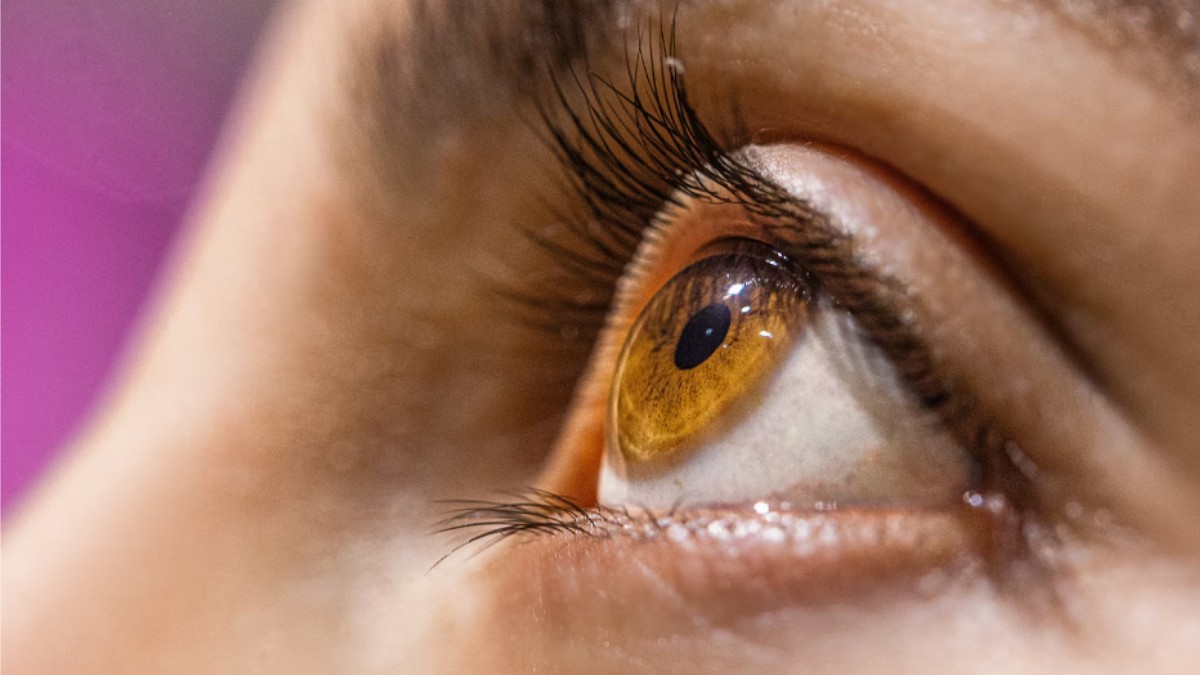
The retina is particularly useful as it contains small blood vessels that can be examined in an eye examination. The American Heart Association has shown that increased blood pressure and arterial stiffness can lead to changes in these small retinal vessels.
This is not to suggest that every strange eye symptom is an indicator of heart disease. Many eye changes are harmless or unrelated to heart disease. But some symptoms and findings do need medical attention when they happen suddenly.
Related Articles


1. Changes in the Retinal Blood Vessels
The tiny blood vessels in the retina can be useful to know about blood pressure and vascular health.
High blood pressure can damage blood vessels throughout the body, including those that supply the eyes. In an eye examination, doctors may observe narrowed or unusually shaped retinal arteries, changes where blood vessels cross each other, bleeding, or other retinal abnormalities.
The American Academy of Ophthalmology lists constricted and tortuous retinal arterioles, retinal hemorrhages, swelling, and other vascular changes among findings associated with hypertensive retinopathy.
Related Articles


The American Heart Association also notes that uncontrolled hypertension can damage the blood vessels of the eye and, in severe cases, cause vision loss.
If high blood pressure can go unnoticed for years, an eye examination can occasionally give an additional indication that a person needs to have their blood pressure checked.
2. Sudden Blurry Vision Or A Dark Area In Your Vision
If a sudden vision change is seen as tired eyes, it is not necessarily tired eyes.
Sudden blurring, a dark patch, a shadow, or significant loss of vision can sometimes occur when blood flow to the retina is blocked. Retinal artery occlusion (also known as “eye stroke”) is a serious condition associated with vascular risk factors.
The American Academy of Ophthalmology considers symptomatic retinal artery occlusion an ophthalmic emergency because it can cause severe vision loss and may be associated with an increased risk of stroke.
Risk factors include high blood pressure, diabetes, high cholesterol, smoking, obesity, and cardiovascular disease.
If vision suddenly begins to blur or disappear in one eye, an urgent medical examination is important to seek, rather than waiting for the symptom to disappear.
3. Yellowish Deposits Around The Eyelids
Small yellowish patches or raised deposits around the eyelids can sometimes be xanthelasma.
Xanthelasma is generally a benign skin condition but is associated with abnormal blood lipid levels. According to the American Academy of Ophthalmology, nearly half of people with xanthelasma have a lipid disorder, while a large number of people also have normal cholesterol levels.
That is, these deposits do not indicate heart disease.
But when someone develops new yellowish deposits around the eyes, discussing them with a doctor may be helpful. Depending on the individual’s circumstances, a healthcare professional might check cholesterol and other cardiovascular risk factors.
4. Retinal Changes Linked To High Blood Pressure
The small vessels that supply the retina are at risk of damage if blood pressure is high even before vision problems are apparent.
Damage to retinal blood vessels caused by uncontrolled hypertension can result in blurred vision or loss of sight, says the American Heart Association. Other complications include fluid under the retina and damage to the optic nerve.
Some retinal changes may be detected during a routine eye examination even if a person does not feel that anything is wrong with their vision.
That’s one of the reasons regular health checks are so important. An eye examination is no substitute for blood pressure monitoring or cardiovascular screening, but it’s certainly helpful in the end.
5. Signs Of Reduced Blood Flow
The retina is dependent on a constant blood supply. Vision will be affected if there is no blood supply.
Retinal artery blockages can be caused by a blood clot, an embolus, or other problems affecting blood vessels. The risk factors also overlap with those associated with stroke, including hypertension, diabetes, high cholesterol, smoking, and cardiovascular disease.
In some cases, an eye doctor may find evidence of previous retinal vascular injury during a detailed examination.
Retinal imaging, in turn, could eventually help identify cardiovascular disease risk more accurately, as a result of more specific retinal images. The American Academy of Ophthalmology has reported that some microscopic retinal changes were found to be more common in people with heart disease.
But these technologies are not a substitute for established cardiovascular evaluation.
When Should You Take Eye Changes Seriously?
Some eye symptoms need immediate medical attention, especially when they become apparent very quickly.
If you experience sudden loss of vision, sudden severe blurring, a new dark area or curtain-like shadow across your vision, or any other sudden visual changes, seek urgent medical attention immediately.
You should also talk to a healthcare professional if an eye examination indicates unusual changes in the retinal blood vessels, especially if you’re at risk for high blood pressure, diabetes, high cholesterol, smoking, or a history of cardiovascular disease.
These findings don’t necessarily mean that you have heart disease. They can simply mean that further evaluation is needed.
Protecting Both Eye And Heart Health
Many of the habits that protect cardiovascular health can also improve overall eye health.
Blood pressure, blood sugar, and cholesterol need to be managed. Physical activity, a balanced diet, avoiding tobacco, maintaining a healthy weight, and proper medical check-ups are all important to decrease cardiovascular risk.
Regular eye examinations are also useful, particularly for people with diabetes, hypertension, or other conditions that can affect the eyes.
Don’t wait for an eye symptom to be severe before seeking help. Sudden vision changes can sometimes be an emergency.
Your eyes cannot diagnose heart disease on their own, but the blood vessels and tissues visible during an eye exam may provide useful clues to what is happening elsewhere in your body.


Comments 0