
A comparison of Fanta sold in India and the version available in London has raised questions about the differences in soft drink formulations across countries. Fanta sold in India has about three times more sugar than the London version and we have to ask why the same global beverage brand can have such different nutritional profiles depending on the market.
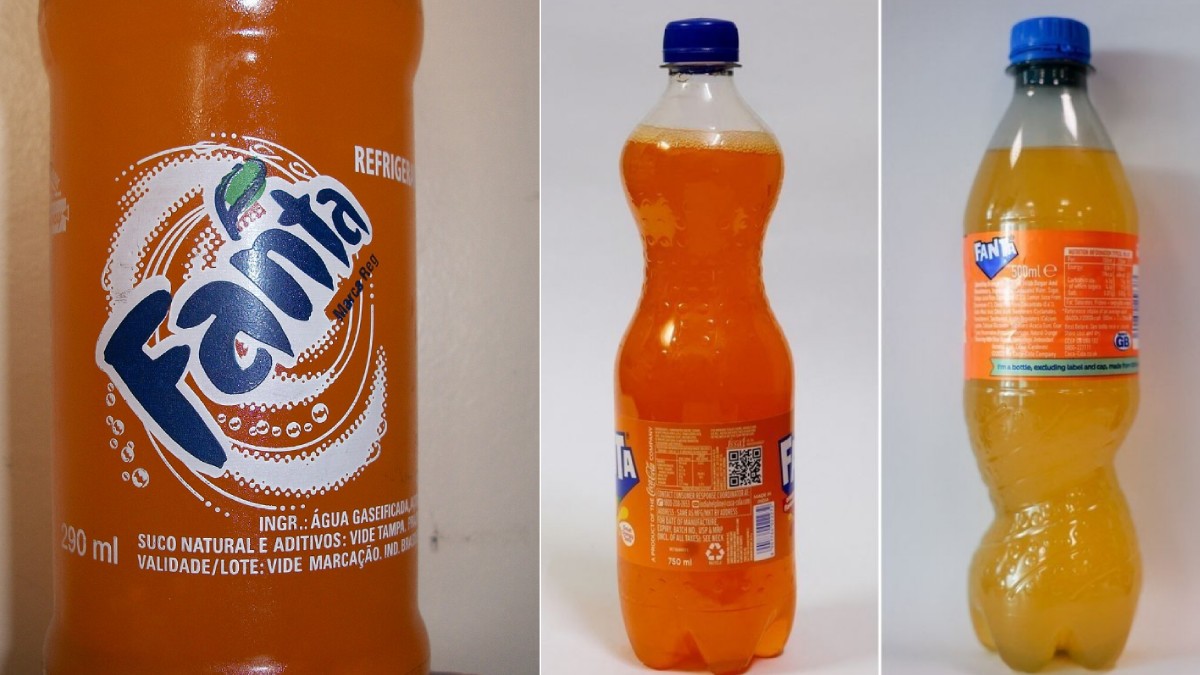
Fanta is one of the most recognized fruit-flavoured soft drinks (and is available in most countries). Even though consumers might expect the product to taste fairly alike all over the world, its ingredients and nutritional composition may vary widely across regions. Local regulations, consumer preferences, taxation policies, ingredient availability, product formulation and the product formulation have no bearing on how a beverage is produced and marketed.
The comparison has attracted attention because of the magnitude of the difference in sugar. The London version is said to have around 63 calories per can and the Indian version has much more sugar. The difference of that scale can make consumers wonder if the two products are essentially the same drink or whether manufacturers deliberately modify recipes for different markets.
Related Articles


One of the main reasons for variation in soft drink recipes is consumer taste. Beverage companies create products according to the market characteristics of a specific country. People in different countries may have different expectations for sweetness, acidity and flavour intensity. A formula that works well in one country will be modified before it is released or sold in another country.
Regulations can be a big part of it. Governments have tried different approaches to reduce the consumption of sugar around the world: nutrition labelling requirements, product reformulation targets and taxes on sugar-sweetened beverages. The United Kingdom introduced the Soft Drinks Industry Levy (or sugar tax) to encourage manufacturers to lower the amount of sugar in many drinks. This led to dramatic reformulation of the soft drink industry.
India has also been paying increasing attention to nutrition and consumption of products high in sugar. But regulatory and market conditions in the UK are very different from those in India. Hence, beverage companies may adopt different recipes and product strategies in the two markets.
Related Articles


And sugar content is just one component of a beverage's nutritional profile. Consumers should look at the entire nutrition label, including serving size, carbohydrates and calorie content, rather than just the product name or packaging. Two drinks that look nearly identical on store shelves can have different nutritional values depending on where they are manufactured and sold.
The comparison also illustrates a more general problem in the worldwide food and beverage industry: how to maintain brand identity in a global context and adapt products to local markets. The recipes of multinational brands are often altered to meet local regulations, production conditions, ingredient availability and consumer expectations. These differences are not unique to Fanta and also are found in virtually every packaged food and drink.
For consumers, the discussion is a reminder to look at nutritional information before assuming that an international product has the same composition everywhere. Looking at sugar-per-100ml is also particularly helpful because serving sizes can be different for different countries and packaging formats.
The sugar gap between Fanta in India and London in particular has become a bigger thing than two cans of soft drink. It has opened a bigger conversation about how multinational beverage brands make products for different markets and how regulations and consumer preferences influence what ends up on supermarket shelves.
We are definitely seeing more and more people pay attention to added sugar and nutrition as consumers are more and more hungry and want to know what is in their drinks. Comparisons such as these can help make more transparency and result in people making more informed choices about drinking and what kind.


Comments 0