
Flaxseeds are tiny, but they have a few nutrients in them that might be good for you. They’re also called linseeds (or linseed). The small seeds contain fibre, plant-based omega-3 fatty acids, protein, and plant compounds called lignans.
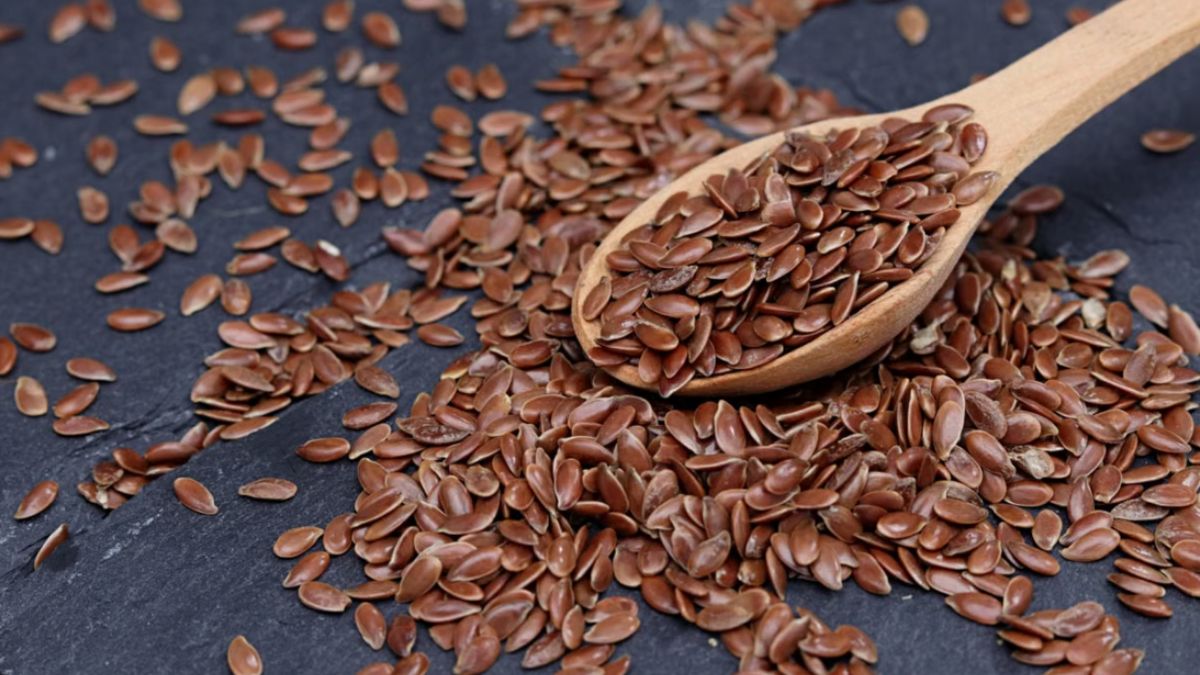
They are easy to add to everyday meals, ground flaxseed can be mixed into yoghurt or oatmeal, smoothies or even homemade rotis and other dishes.
Flaxseeds are not a magic food that can fix every health problem. But if you add them to your diet (a balanced one), they may have several benefits.
Related Articles


Here are eight ways flaxseeds might support your health.
8 Health Benefits Of Flaxseeds
1. May support better digestion
Flaxseeds contain soluble and insoluble fibre. Fibre can support regular bowel movements and general digestive health.
The soluble fibre in flaxseed absorbs water so stools are softer. This might be helpful for people who sometimes get constipation.
Related Articles


However, you need to drink enough water when increasing your fibre intake. Eating too much flaxseed at once can cause gas, bloating or diarrhoea.
2. May help support heart health
Flaxseeds are a good source of alpha-linolenic acid (ALA), a plant omega-3 fatty acid.
Some research has found that flaxseed may improve some heart-health markers. Some studies have also shown that regular flaxseed intake may lower total cholesterol and LDL cholesterol (also known as “bad” cholesterol).
Flaxseed can therefore be part of a heart-healthy diet (along with other healthy foods and physical activity).
3. May help with weight management
Flaxseeds are high in fibre, which can keep you feeling fuller for longer.
Being full after eating may help reduce unnecessary snacking and make it easier to control food intake. Some studies have shown that certain forms of flaxseed may support weight loss in people who are overweight or have obesity; but flaxseed itself is not a weight-loss treatment.
For weight management, it is still important to look at your overall diet, physical activity, and daily habits.
4. Provides plant-based omega-3 fats
If you’re vegetarian or vegan then flaxseeds can be a useful source of plant-based omega-3 fat.
ALA (alpha-linolenic acid) in flaxseeds is an essential fatty acid so the body needs to get it from food. Flaxseed oil also contains ALA but it doesn’t contain fibre, which is found only in whole or ground flaxseeds.
5. Contains useful plant compounds
Flaxseeds contain lignans. These are plant compounds with antioxidant activity.
Antioxidants protect cells from damage caused by free radicals. We don’t know yet what the full health effects of lignans and flaxseed are so it is better to think of flaxseeds as one nutritious food rather than a cure for any disease.
6. May support healthy cholesterol levels
Flaxseed can also help with cholesterol management if you add it to your diet.
Some studies have shown that regular flaxseed intake can lower total cholesterol and LDL cholesterol. This effect may be person-dependent (i.e., the amount and form of flaxseed consumed) as well as dose-dependent (i.e., the higher the dose, the greater the effect).
It should not replace prescribed medicines or advice from a doctor if you have high cholesterol.
7. May help you feel full
The fibre in flaxseeds slows down digestion and helps increase feelings of fullness.
This can be handy when you are trying to build meals that last longer — adding a small amount of ground flaxseed to breakfast for example. This is an easy way to add fibre into your diet.
8. Easy to add to everyday meals
One of the biggest advantages to flaxseeds is that they’re easy to use.
Ground flaxseed is generally easier for the body to digest than whole seeds. You can sprinkle it on oatmeal, yoghurt, smoothies, salads or homemade foods. Experts usually recommend around one to two tablespoons of ground flaxseed a day, but this will depend on your needs.
How To Eat Flaxseeds Safely
If you’re new to flaxseeds, then start with a small amount and build up slowly. Drink plenty of water throughout the day because flaxseeds are high in fibre.
Ground flaxseed is usually preferable to whole seeds because the body may have trouble breaking down the outer layer of whole seeds.
You also shouldn’t eat raw or unripe flaxseeds. Large amounts can cause digestive problems (bloating, gas and diarrhoea).
People taking blood-thinning or antiplatelet medicines should speak with a healthcare professional before regularly eating flaxseed or flaxseed oil as there may be interactions. Pregnant and breastfeeding women should also seek medical advice before using flaxseed regularly.
Flaxseeds are a simple addition to a healthy diet. Their fibre, plant-based omega-3 fats and other nutrients combine to make them a food that can be included in everyday meals.
But like any other food, more is not always better. Start small, drink enough water, and have a varied, balanced diet (not too many carbs!).


Comments 0