
Hair fall is a common concern that affects people of all ages. While losing around 50 to 100 hairs per day is generally considered a normal part of the hair growth cycle, excessive shedding may be linked to factors such as stress, hormonal changes, illness, genetics, nutritional deficiencies, certain medications, or harsh hair care practices.
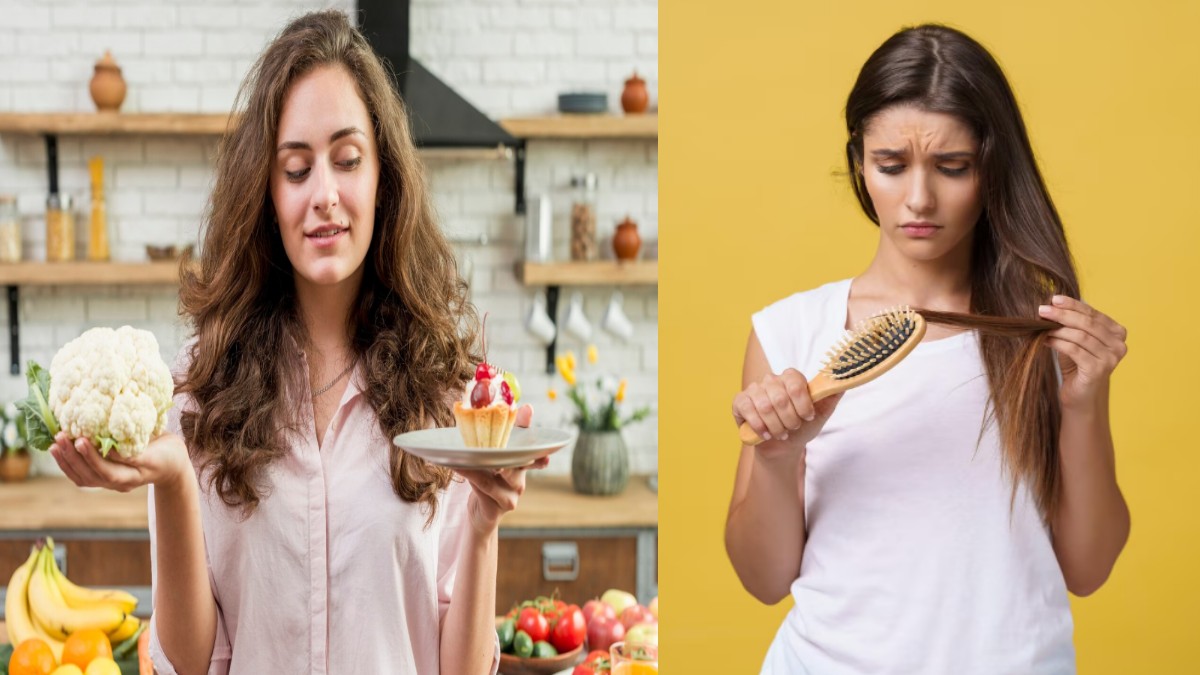
Although diet alone cannot treat every cause of hair loss, good nutrition plays an important role in maintaining healthy hair. Hair follicles require a steady supply of protein, vitamins, minerals, and healthy fats to support normal hair growth. According to nutrition experts, making simple food swaps can help improve your overall nutrient intake and support stronger, healthier strands over time.
Here are some smart food swaps that may benefit your hair.
Related Articles


Why Nutrition Matters for Hair Health
Hair is primarily made of a protein called keratin. To produce healthy hair, the body needs adequate amounts of protein along with nutrients such as:
- Iron
- Zinc
- Biotin
- Vitamin D
- Vitamin C
- Vitamin E
- Omega-3 fatty acids
- Selenium
- B vitamins
A balanced diet helps provide these nutrients and supports the normal hair growth cycle.
Food Swap 1: Replace Sugary Breakfast Cereals with Eggs
Many breakfast cereals are high in added sugar and low in protein.
Related Articles


Instead, choose eggs.
Benefits include:
- High-quality protein
- Biotin
- Vitamin B12
- Selenium
Eggs provide essential nutrients involved in healthy hair structure and growth.
If you follow a vegetarian or vegan diet, consider alternatives such as tofu scramble or protein-rich legumes.
Food Swap 2: Replace White Bread with Whole Grains
Whole grains provide more fiber and nutrients than refined grains.
Better choices include:
- Whole wheat bread
- Oats
- Brown rice
- Quinoa
- Millet
These foods contain B vitamins, iron, and zinc, which contribute to overall health and may support healthy hair.
Food Swap 3: Replace Processed Snacks with Nuts and Seeds
Instead of chips or sugary snacks, choose:
- Almonds
- Walnuts
- Pumpkin seeds
- Sunflower seeds
- Flaxseeds
- Chia seeds
These foods contain healthy fats, vitamin E, zinc, and other nutrients that help support scalp and hair health.
Food Swap 4: Replace Sugary Drinks with Water
Hydration supports overall health, including the health of your scalp.
Instead of:
- Soft drinks
- Sweetened juices
- Energy drinks
Choose:
- Water
- Coconut water (unsweetened)
- Herbal tea
- Infused water with fruits or herbs
Proper hydration helps maintain healthy skin and scalp function.
Food Swap 5: Replace Processed Meats with Lean Protein
Hair requires adequate protein to grow.
Choose healthier protein sources such as:
- Fish
- Skinless chicken
- Lentils
- Beans
- Chickpeas
- Tofu
- Greek yogurt
Protein deficiency may contribute to increased hair shedding in some individuals.
Food Swap 6: Replace Fried Foods with Fatty Fish
Fatty fish such as salmon, sardines, and mackerel provide omega-3 fatty acids, which are associated with overall scalp health.
If you don't eat fish, plant-based sources include:
- Flaxseeds
- Chia seeds
- Walnuts
Food Swap 7: Replace Sugary Desserts with Fresh Fruit
Fresh fruits provide antioxidants and vitamins that support healthy skin and hair.
Excellent choices include:
- Oranges
- Kiwi
- Strawberries
- Blueberries
- Guava
- Papaya
Vitamin C helps the body absorb iron from plant-based foods and contributes to normal collagen formation, which supports skin health.
Iron-Rich Foods Matter
Iron deficiency is one of the nutritional factors that can contribute to hair loss, particularly in some women.
Include foods such as:
- Spinach
- Lentils
- Kidney beans
- Lean meat
- Pumpkin seeds
If you suspect iron deficiency, consult a healthcare professional before taking supplements.
Don't Forget Healthy Fats
Healthy fats support overall nutrition and may benefit hair health.
Include:
- Avocados
- Olive oil
- Nuts
- Seeds
These foods provide essential fatty acids and vitamin E.
Lifestyle Habits That Support Healthy Hair
Nutrition works best alongside healthy lifestyle habits.
Consider:
- Managing stress
- Sleeping 7–9 hours each night
- Avoiding smoking
- Limiting excessive heat styling
- Using gentle hair care products
- Avoiding overly tight hairstyles that pull on the hair
A holistic approach often produces the best results.
When to See a Healthcare Professional
Consult a healthcare provider or dermatologist if you experience:
- Sudden or severe hair loss
- Bald patches
- Hair shedding lasting several months
- Scalp pain or inflammation
- Hair loss accompanied by fatigue, weight changes, or other symptoms
Hair loss can sometimes indicate an underlying medical condition, such as thyroid disorders, nutritional deficiencies, autoimmune diseases, or hormonal imbalances.
Healthy hair starts from within. While no single food can stop hair fall overnight, replacing nutrient-poor foods with protein-rich, vitamin-packed, and mineral-rich alternatives can help support normal hair growth and overall scalp health. Smart food swaps such as choosing eggs over sugary cereals, whole grains instead of refined grains, nuts instead of processed snacks, and lean proteins over processed meats can make a meaningful difference when combined with a balanced lifestyle.


Comments 0