
Chinese food is the stuff of India’s food tradition and in many cities Indo-Chinese food is the norm on street-food stalls to restaurants and food courts. Yet what many Indians call Chinese food is usually a distinctly Indian adaptation of Chinese culinary traditions. The fusion has generated a food category that is often called Indo-Chinese cuisine over the years.
How Chinese Cuisine Came to India
Chinese culinary influence in India has a long history, and Chinese communities played a key role in introducing Chinese-style cooking. Kolkata has a special place in history because of its historic Chinese community and food culture (formerly Calcutta).
Chinese immigrants established businesses and restaurants in Kolkata and introduced dishes and cooking techniques to local diners. Chinese cooking was adapted to Indian tastes, ingredients and spice levels.
Related Articles


The Rise of Indo-Chinese Cuisine
The popularity of Indo-Chinese food increased as chefs began mixing Chinese cooking practices with flavours that are familiar to Indian consumers. Green chilli, garlic, ginger, soy sauce and chilli sauce were common in these preparations.
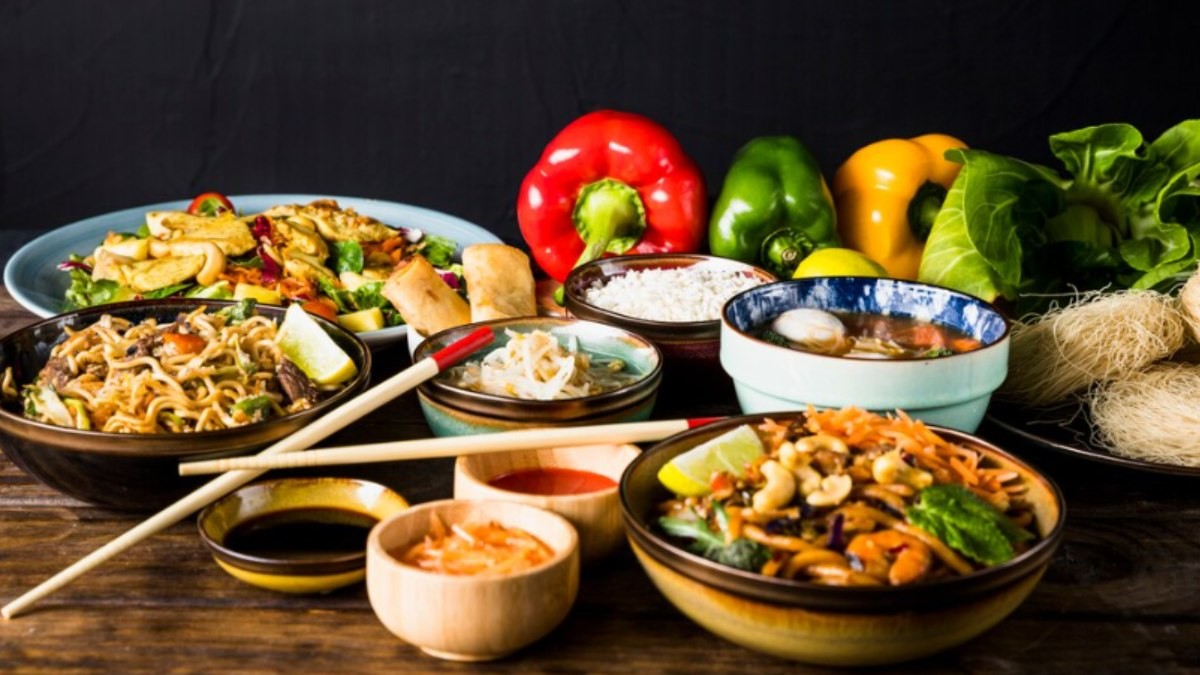
The popular dishes were gobi Manchurian, chilli paneer, Hakka noodles, Schezwan fried rice, chilli chicken. While some of these dishes do not fit in with traditional Chinese recipes, they demonstrate how Indian chefs took foreign culinary influences and transformed them into local dishes.
Street Food Played a Major Role
Street food helped make Indo-Chinese cuisine more accessible to a wider audience. Small stalls and roadside restaurants began serving noodles, fried rice, Manchurian dishes and spicy sauces at relatively cheap prices.
Related Articles


The fast cooking, strong flavours and ability to tailor food to the preferences of the customer made them popular. Indo-Chinese food eventually became something students, office workers and families ate regularly.
Regional Adaptations Across India
One of the most interesting things about Indo-Chinese cuisine is the regional diversity. The taste of a Chinese restaurant in Kolkata will differ from that of a restaurant in Mumbai, Delhi, Bengaluru or Hyderabad.
Local ingredients, spice preferences and eating habits inform how dishes are made. Vegetarian versions are also becoming popular and paneer, cauliflower, mushrooms and other vegetables have replaced meat for many recipes.
Chinese Food and Indian Celebrations
Indo-Chinese dishes have also become part of casual celebrations and social gatherings. From birthday parties to college outings and family dinners, noodles, fried rice and Manchurian dishes are often on menus.
Food delivery platforms have also provided access to Chinese and Indo-Chinese cuisine and let consumers experiment with different restaurant styles at home.
A Unique Culinary Fusion
The influence of Chinese food in India is one of adaptation. Indian chefs and consumers didn’t just replicate Chinese food, they made their own Chinese-inspired interpretation of cooking.
Today Indo-Chinese cuisine represents the fusion of two culinary traditions. Food is an art form that grows as cultures and ingredients and cooking techniques combine to form flavours that are intrinsic to daily life.


Comments 0