
Many fruits are peeled before eating, but their skins may contain fibre and other nutrients. Apples, pears, peaches, plums, and some other fruits can be eaten with their peel when properly washed.
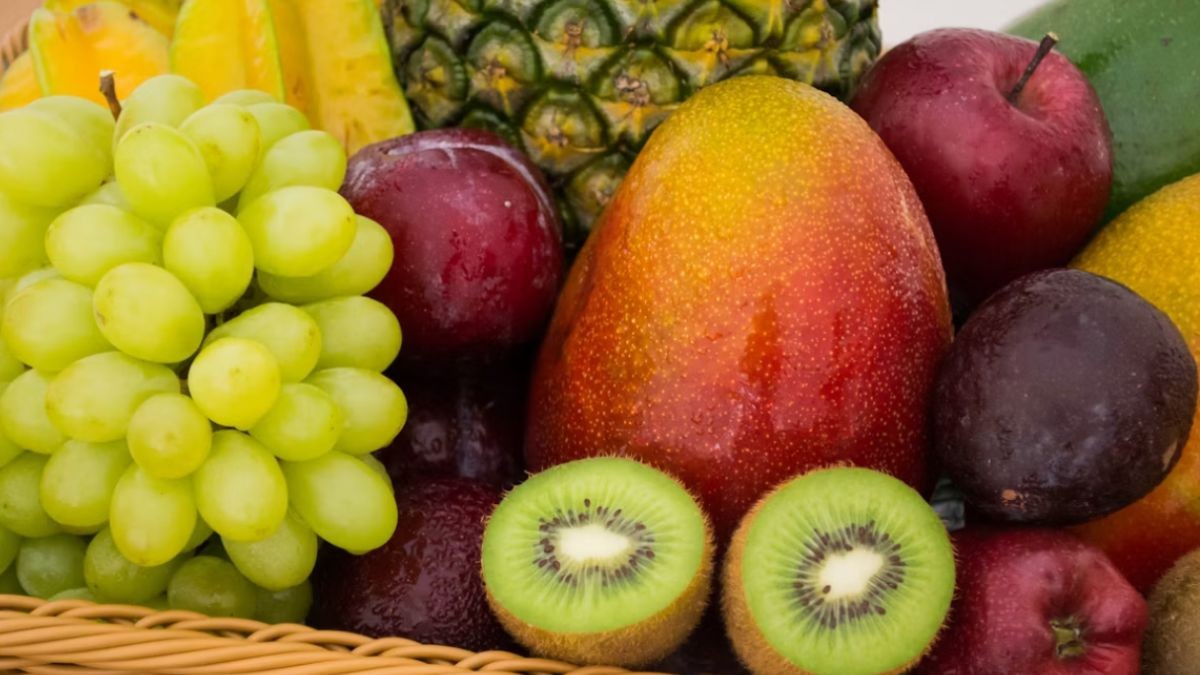
But eating the skin also means eating anything that could be on the surface, dirt, microorganisms and residues from agricultural treatments. A quick rinse under water may not always remove all surface contamination.
We want fresh produce to be washed before eating it, and the time is right to eat the peel.
Related Articles


Why wash Fruits before eating the peel?
Fruit can come into contact with soil, dust, microorganisms and other contaminants during farming, harvesting, transportation, and handling.
The US Food and Drug Administration advises washing fruits and vegetables in running water before preparing or eating them, even when the produce will eventually be peeled. Washing reduces the amount of bacteria and other contaminants on the surface.
It is also important to wash produce before cutting it because microorganisms on the outside can potentially be transferred to the edible portion when a knife passes through the skin.
Related Articles


Washing does not eliminate all possible contaminants, though. It is primarily a way to reduce surface contamination.
Apples
Apples are among the most common fruits eaten with their skin. The peel has fibre and many plant compounds and it is unnecessary to remove it if the fruit is properly cleaned.
To clean an apple, place it under cool running water and rub the entire surface gently with your hands. Pay attention to the area around the stem and the bottom of the fruit.
For firm produce such as apples, pears and melons, the FDA says a clean produce brush can be used while rinsing under running water.
There is no need to use soap or detergent. The FDA specifically advises not washing fruits and vegetables with soap, detergent or commercial produce washes because these products are not intended for consumption and their effectiveness is not established.
Pears, Peaches And Plums
Pears, peaches and plums can also be eaten with their skins. Soft surfaces should be handled more gently so as to not damage the fruit.
Rinse them thoroughly under running water and rub the surface with clean hands. The dirt must be removed before eating.
If the fruit has bruised, damaged or rotten parts, cut those parts away. Produce that looks spoiled should not be eaten.
For peaches and plums, avoid scrubbing too aggressively because they are more likely to be scratched easily and can be damaged.
Grapes And Berries
Grapes are generally eaten whole, and so washing is very important.
Grapes are washed in a clean colander and then rinsed thoroughly under cool running water. Separate individual grapes so as to enable water to reach different parts of the surface.
Strawberries, blueberries, and raspberries should also be rinsed before eating. But since berries are so delicate, they must be handled very carefully.
But the FDA advises consumers to wash produce under running water rather than soak it in a sink, as the water itself can be contaminated and might carry microorganisms between pieces of produce.
What about Pesticide Residues?
Washing fresh produce can reduce surface residues, but it does not eliminate all pesticide residues.
So consumers should not believe that washing makes all fruit completely free of agricultural chemicals.
The best way is to buy produce from reliable sources, wash it thoroughly under running water, and handle it safely after purchase.
Peeling may get rid of some contaminants on the outer surface, but it also removes some of the fruit’s fibre and other nutrients that are in the skin. Whether to peel a fruit is a matter of individual preference and fruit condition.
Avoid Soap, Detergent and Bleach
A common mistake is to use household cleaning products to wash fruit.
The FDA recommends washing produce with plain running water and does not recommend using soap, detergent or commercial produce washes.
Bleach and other household disinfectants should never be used directly on food.
Instead, wash your hands before touching produce and clean countertops, knives, cutting boards and other surfaces that touch fresh fruit.
It is also advisable to keep fruits and vegetables separate from raw meat, poultry and seafood when preparing food, so as to avoid cross-contamination.
What is the simple way to clean fruits?
For most fruits eaten with the peel, it is easy.
First, wash hands with soap and water. Then rinse the fruit under clean, cool running water. Gently rub the surface with your hands, paying attention to crevices and areas around the stem.
For firm fruits (e.g. apples and pears), a clean produce brush can be used. After washing, dry the fruit with a clean cloth or paper towel if necessary.
If the fruit is being cut, wash it before cutting instead of after it is cut. That way, surface contaminants will not get into the flesh.
The peel can help to retain more fibre and other naturally occurring nutrients when we eat fruit with the peel. But the peel must only be eaten when the fruit is fresh and healthy for consumption and properly washed.
There is no need for such complicated cleaning. Frequently, washing with running water, washing hands, and safe food handling practices are the first things to do before eating fruit with the skin on it.


Comments 0