
Mornings can get busy, especially when you have very little time left to prepare breakfast before the day goes on. On a day-to-day basis, ragi pancakes are a simple thing to do.
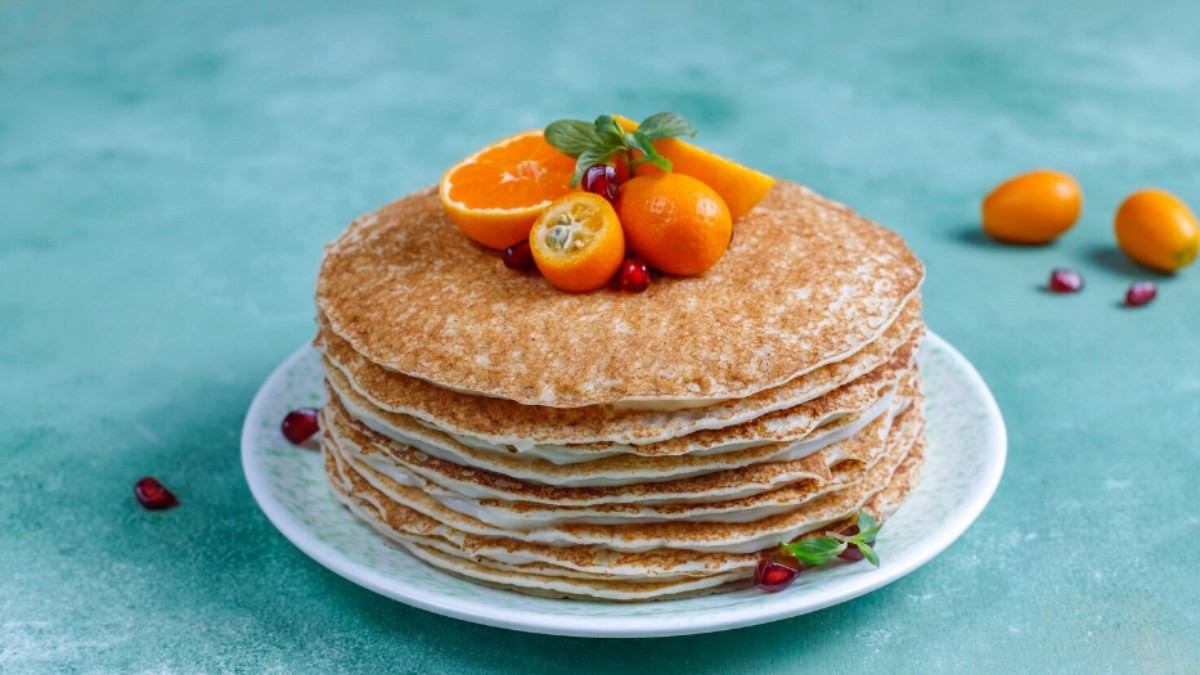
And these pancakes made with ragi, also known as finger millet, replace wheat flour with gluten-free flour. The recipe also incorporates ground flaxseed, milk, a small amount of maple syrup and coconut oil.
The preparation is simply five simple steps that are suitable for a quick breakfast. Ragi pancakes can be served with fresh fruit, maple syrup or any other toppings of your choice.
Related Articles


What You Need To Make Ragi Pancakes
For the pancakes you will need 1 cup ragi flour, 1 tablespoon ground flaxseed, 1 teaspoon baking powder, half a teaspoon baking soda and one fourth teaspoon salt.
For the wet mixture, use 1 cup milk, one fourth cup water, 1 tablespoon maple syrup, 1 tablespoon melted coconut oil and one fourth teaspoon vanilla extract.
Ragi is a gluten-free grain and is an alternative to wheat, barley and rye for people who don’t want gluten. It also provides dietary fibre and minerals such as calcium and iron. But the nutritional value of the finished pancakes will depend on the other ingredients and toppings used.
Related Articles


In case you are preparing food for someone with coeliac disease, you also need to verify packaged ingredients are gluten-free and that gluten was not produced in the process.
Follow the 5 simple steps as soon as possible
Step 1. The dry ingredients are mixed in the first step.
Combine ragi flour, ground flaxseed, baking powder, baking soda, and salt in a large bowl. Then combine everything so the ingredients are distributed evenly.
Step 2: The wet mixture is made in step 2.
In another bowl, combine the milk, water, maple syrup, melted coconut oil and vanilla extract. Mix until the ingredients are well combined.
Step 3: Make the batter
Add all the dry ingredients to the wet mixture gradually. Combine them and mix as you do to make a pancake batter.
Don’t mix the batter more than needed. A smooth, pourable consistency of pancake batter will make pancakes work as well as cook evenly. Similarly, ragi pancake recipes suggest allowing the batter to rest briefly before cooking, but the amount of time after you cook can depend on the recipe and the actual resting time for the batter.
Step 4: Cook the pancakes
To cook the pancakes, heat a non-stick pan or skillet over medium heat and lightly grease it with oil. Pour a spoonful or small ladle of batter onto the pan and allow it to cook.
If the underside is cooked and the surface starts to bubble, flip the pancake. Cook the other side until it is done.
Ragi-based batters can be more prone to sticking than wheat-based pancake batter, so keeping the heat moderate and using a properly heated pan can help.
Step 5: Serve and enjoy
Transfer the cooked pancakes to a plate and serve them warm. You can add a little maple syrup and fresh fruits for sweetness.
Bananas, berries, and other fruits can work well as toppings. Nut butter can also be used if you want a more filling combination.
Ragi Pancakes Are a Convenient Breakfast
One advantage of this recipe is that it does not require complicated preparation. The ingredients can be mixed in two bowls before the batter is cooked on a pan.
Ragi also contributes a nutty flavour that makes the pancakes different from conventional refined-flour pancakes. Because the recipe doesn’t use maida, it is a substitute if you want to make a diet that reduces refined wheat flour in your breakfast.
For a more balanced meal, the pancakes can be paired with fruit and protein-rich accompaniments such as yoghurt, depending on dietary preferences. The toppings can also be adjusted to control the overall sweetness.
Another option is a savoury version. Ragi pancakes can be made with vegetables, cumin or herbs instead of sweet ones. Vegetables, coconut and spices are used to create savoury versions of ragi breakfast recipes.
For busy mornings, this five-step ragi pancake recipe offers a simple and easy way to put a warm breakfast on the table without the need for elaborate cooking. With a few ingredients and a pan, you can make a gluten-free alternative to traditional pancakes and customize it with fruits, nuts, or other toppings.


Comments 0